Last updated: September 2026. Ramadan 2026 start dates re-checked on 26 September 2026 against 964media’s report of the Sunni Endowment and Kurdistan Region announcements and Shafaq News’ report of Grand Ayatollah Sistani’s; Eid holiday dates from 964media; FCDO and US advisories checked 25 and 26 September 2026.
Iraq does not agree on when Ramadan begins. In 2026 the Sunni Endowment and the Kurdistan Region’s Ministry of Endowments announced that fasting would start on Wednesday 18 February, the same day as Saudi Arabia. The office of Grand Ayatollah Ali al-Sistani, the country’s senior Shia authority, declared Thursday 19 February. For a day, part of the country was fasting and part was not. That split is a useful first lesson for anyone planning a trip: in Iraq, dates follow the moon and the religious authority you follow, not a printed calendar. Our guide to the best time to visit Iraq covers the whole year; this page is about the fasting month.
So what is it like? Ramadan in Iraq is a workable time to travel if you adjust to it. Days are quiet, eating, drinking or smoking in public in daylight is off-limits, opening hours shift, and life moves to the evening, when families break the fast together and cafés fill until late. In 2027 it is expected from about 8 February to 9 March.
Below: the dates and why they differ, the rules that apply to visitors, how federal Iraq and the Kurdistan Region differ, Ramadan evenings, the nights of Imam Ali at Kufa and Najaf, the Eid al-Fitr travel peak, and the safety frame as it stood in late September 2026.
The short answer
| Question | Answer |
|---|---|
| When is Ramadan 2027? | Expected from about 8 or 9 February to 9 or 10 March, depending on the moon sighting. |
| Can visitors eat in public? | Not in daylight. The FCDO says don’t eat, drink, smoke or chew gum in public during the day, including in your car. |
| Is it a good time to travel? | It can be: the 2027 dates fall in mild late-winter weather, and the evenings are the liveliest of the year. Days need planning. |
| Kurdistan Region | Alcohol is normally sold openly, but Sulaymaniyah shut liquor stores and banned public drinking for Ramadan 2025. |
| Eid al-Fitr | A national holiday and a domestic travel peak; in 2026 government offices closed from 18 to 23 March. |
| Advisories (26 September 2026) | FCDO: against all but essential travel to Baghdad, the south and the Kurdistan Region. US: Level 4, Do Not Travel. |
When is Ramadan in Iraq?
Ramadan is the ninth month of the Islamic lunar calendar, and because a lunar year is about 11 days shorter than a solar one, the fast starts roughly 11 days earlier each year. A month begins when the new crescent is sighted, and in Iraq that decision is made separately by Sunni and Shia religious authorities. They often land on the same day; in 2026 they did not.
| Year | Ramadan begins | Eid al-Fitr | Notes |
|---|---|---|---|
| 2026 | Wednesday 18 February (Sunni Endowment, Kurdistan Region); Thursday 19 February (Sistani’s office) | Friday 20 March | The Shia fast ran the full 30 days; government offices closed 18 to 23 March |
| 2027 | About 8 or 9 February (projection) | About 9 or 10 March | Falls in late winter; Eid comes before Newroz (21 to 23 March) |
Ramadan dates ahead
Because the month moves about 11 days earlier every year, it is sliding through winter now. These are astronomical projections, and each will be confirmed only by the sighting announcements:
| Year | Ramadan expected to begin | Season in Iraq |
|---|---|---|
| 2027 | About 8 or 9 February | Late winter: Baghdad afternoons around 18 to 22 °C |
| 2028 | Late January | Midwinter, the coldest and wettest weeks |
| 2029 | Mid-January | Midwinter |
| 2030 | Early January, then again in late December | Two Ramadans in one calendar year |
By the same arithmetic, the fast won’t fall in the summer heat again until the 2040s. For the next few years, a Ramadan trip means cool days and cold nights, not 45 °C afternoons.
Why the start date differs
| Source | 2026 start | What it reflects |
|---|---|---|
| Iraq’s Sunni Endowment Office (964media, 17 February 2026) | Wednesday 18 February | A crescent sighting accepted on the evening of 17 February, the same day Saudi Arabia announced |
| Kurdistan Region’s Ministry of Endowments and Religious Affairs | Wednesday 18 February | The Region followed the same announcement |
| Office of Grand Ayatollah al-Sistani (Shafaq News) | Thursday 19 February | Its own confirmation of the sighting, a day later |
| Astronomical projections for 2027 | 8 or 9 February | Calculation only; the real date is set by announcement |
In 2026 the Kurdistan Region and Sunni communities followed the Sunni Endowment, while Iraq’s Shia majority, including Karbala, Najaf and most of the south, followed Sistani’s office. If your trip starts or ends near the beginning or end of the month, expect the date to be confirmed only the night before, and expect a day’s difference between neighbourhoods.
What changes for visitors during Ramadan
Non-Muslims are not expected to fast, but everyone is expected to respect the fast in public. The FCDO’s advice for Ramadan in Iraq is specific: don’t eat, drink, smoke or chew gum in public during daylight hours, and that includes inside your car; don’t play loud music; and check opening hours, because they change. It also warns that clothing that does not meet local dress codes may cause more offence at this time than usual.
Day to day, that means planning your meals and water. Eat before you go out, drink in your hotel room, and if you need water during a long day on the road, drink discreetly out of sight. Expect the pace of the day to slow in the afternoon as people save their energy for the evening, and treat any published opening time as provisional. We found no dated 2026 report on which Baghdad restaurants close by day, so we don’t generalise; the safe assumption is that daytime food is harder to find and that your hotel is the first place to ask.
How the rules compare
| Baghdad and federal Iraq | Kurdistan Region | Karbala, Najaf and Samarra | |
|---|---|---|---|
| 2026 start | 18 February for Sunnis; 19 February for Shia | 18 February, with the Region’s Ministry of Endowments | 19 February, with Sistani’s office |
| Eating in public by day | Don’t, including in cars (FCDO) | Don’t, including in cars (FCDO) | Don’t, including in cars (FCDO) |
| Alcohol | Import, manufacture and sale restricted by law all year | Normally sold openly; Sulaymaniyah banned public drinking and shut liquor stores for Ramadan 2025 | Restricted by federal law |
| Dress | Modest; the FCDO warns that ignoring local norms causes more offence in Ramadan | No Region-specific rule found; modest dress is respected | Abaya and covered hair for women at the shrines; long trousers and sleeves for men |
| Eid 2026 | Offices closed 18 to 23 March | Eid ran into Newroz: a continuous holiday from 20 to 23 March | Offices closed 18 to 23 March |
Offices, visas and errands
Plan for shorter office hours. Search results for 2025 describe the federal cabinet cutting an hour from the government working day for the month, and the Kurdistan Regional Government reducing its hours too, though we could not confirm the details at source. If your trip needs anything from an Iraqi office, such as a visa extension or a residency stamp, do it early in the day and early in the month, and don’t leave it for the week before Eid, when offices shut entirely.
Federal Iraq and the Kurdistan Region
The rules on public eating apply across the country, but the atmosphere differs. In the Kurdistan Region alcohol is normally sold and served openly, with Ankawa in Erbil the most visible centre and many restaurants and hotel bars in Sulaymaniyah. Ramadan changes that in places. On 26 February 2025 Sulaymaniyah announced it would ban public drinking and close liquor stores for the whole month “to preserve the sanctity of Ramadan”; we could not confirm whether the ban was repeated in 2026 or exactly which authority issued it. In federal Iraq, the sale of alcohol is already restricted by law all year. Our guide to Iraqi laws for tourists covers the alcohol rules in detail, and our Sulaymaniyah guide covers the city.
The shrine cities
Karbala, Najaf and Samarra are stricter than Baghdad at any time of year, and more so in Ramadan. Women are expected to wear an abaya, the full-length cloak, with their hair covered, and abayas can usually be borrowed at the shrine entrances; men should wear long trousers and sleeves. Our Karbala guide and Najaf guide cover shrine etiquette in full.
Planning a day during Ramadan
Nobody publishes a timetable for a Ramadan day in Iraq, and hours shift from place to place, but the shape of the day is predictable enough to plan around.
| Time | What is happening | What to do as a visitor |
|---|---|---|
| Before dawn | Suhoor, the pre-dawn meal, then the dawn prayer | Ask your hotel the evening before whether, and when, it serves breakfast |
| Morning | Offices, banks and shops open on reduced or shifted hours | Do errands, museum visits and site trips now |
| Afternoon | Energy drops and many people rest | Keep plans light, and eat and drink out of public view |
| Sunset | Iftar, usually at home with family | If you want to eat out, ask your hotel where serves iftar and book |
| Evening | Prayers, family visits, cafés and, in Baghdad, mheibes | The best hours of the day to be out |
A short checklist
- Confirm the start date the night before. Sunni and Shia announcements can differ by a day, and the confirmation comes late.
- Stock your room. Keep water and snacks where you can eat and drink in private.
- Front-load errands. Anything official, from a visa extension to a bank visit, belongs in the morning and in the first three weeks.
- Dress one notch more conservatively than usual, especially in the shrine cities and conservative towns.
- Check before you count on a drink in the Kurdistan Region; Sulaymaniyah’s 2025 ban covered the whole month.
- Ask before photographing people at prayer or at an iftar table, and accept a refusal.
- Book Eid travel early. Hotels in the Kurdistan Region fill, and roads north are busy.
Ramadan evenings: iftar, cafés and the ring game
The day turns at sunset with iftar, the meal that breaks the fast. It is usually eaten at home or with family, and after it the streets fill again. For a visitor, the evenings are the reason to be in Iraq during Ramadan: the social life that the daytime fast suspends comes back after dark, and the mood is sociable rather than solemn.
Charity is part of the month. In March 2026, 964media reported volunteers at Kufa University serving 1,000 iftar meals a day for 14 days, rice with Najafi qeema, the slow-cooked meat and chickpea dish of the shrine cities. Our guides to Iraqi food and eating in Baghdad cover the dishes you are likely to meet at an iftar table.
Mheibes, Baghdad’s Ramadan game
The most distinctively Iraqi Ramadan tradition is mheibes, the ring game, played at night after iftar. One team hides a ring, the mehbis, a signet ring of the kind many Iraqi men wear, in one player’s closed palm; its 40 players huddle under a blanket to choose who holds it, and the opposing captain then has ten minutes to work out whose hand it is in. AFP reported in March 2025 that nearly 400 teams play nationally, with annual competitions and ten teams qualifying in Baghdad alone, representing the city’s neighbourhoods. Iraqi folklore expert Adel al-Ardawi traces the game to Ottoman-era Baghdad as early as the 16th century, and the national federation’s president calls it “a heritage game, the game of our ancestors, which unites all Iraqis.”
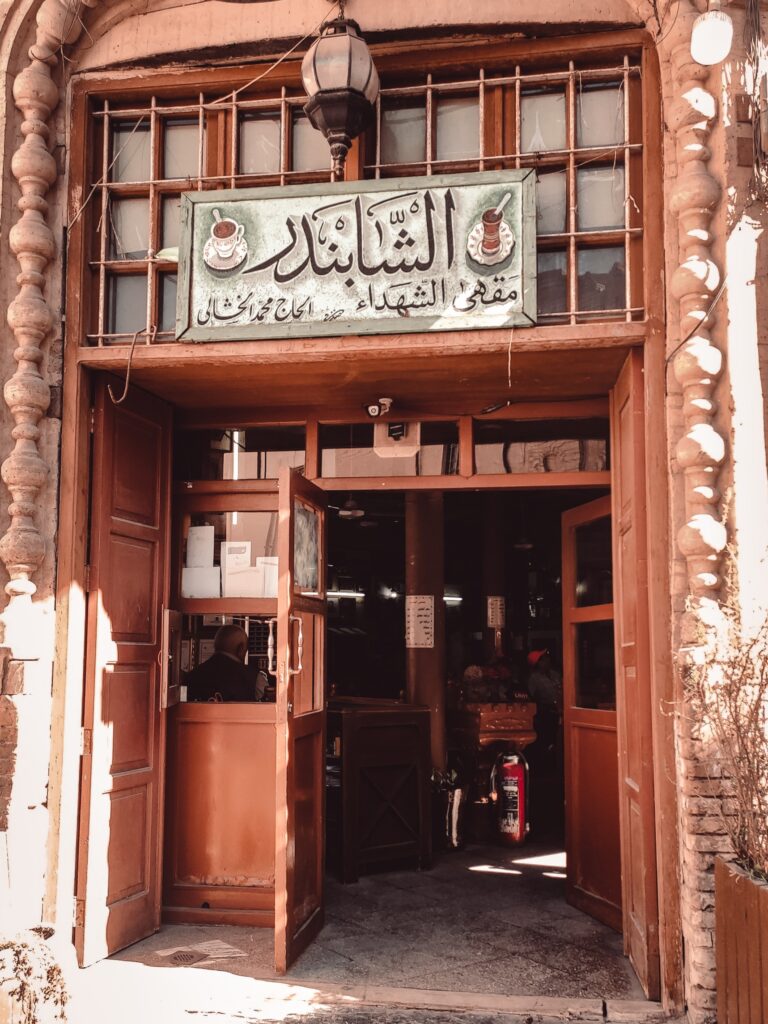
Matches are community events rather than tourist shows, and we found no published fixture list, so ask at your hotel or a local café. Our guide to Baghdad’s cafés and nightlife covers where the city spends its evenings.
The nights of Imam Ali at Kufa and Najaf
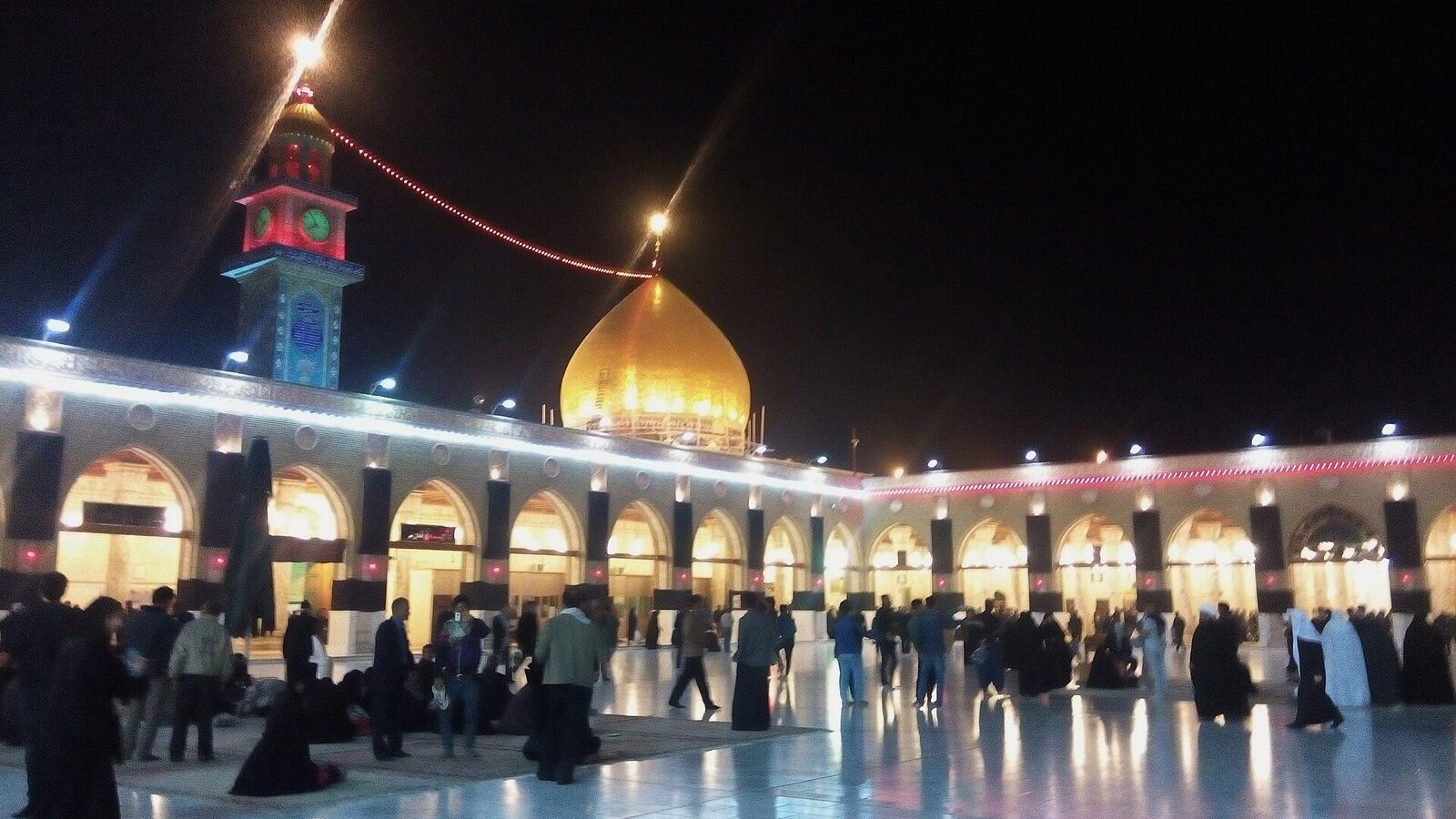
Ramadan carries a particular weight in the Shia heartland south of Baghdad. On the 19th of Ramadan in the year 40 of the Islamic calendar, 28 January 661, Ali ibn Abi Talib, the Prophet’s cousin and son-in-law and the first Shia Imam, was struck with a poisoned sword while prostrating at the dawn prayer in the Great Mosque of Kufa. He died two days later, on the 21st, and is buried at Najaf. Shia Muslims mark those nights with mourning, and the mosque at Kufa and the Imam Ali shrine in Najaf are the centres of it. In 2027 they are expected around the end of February.
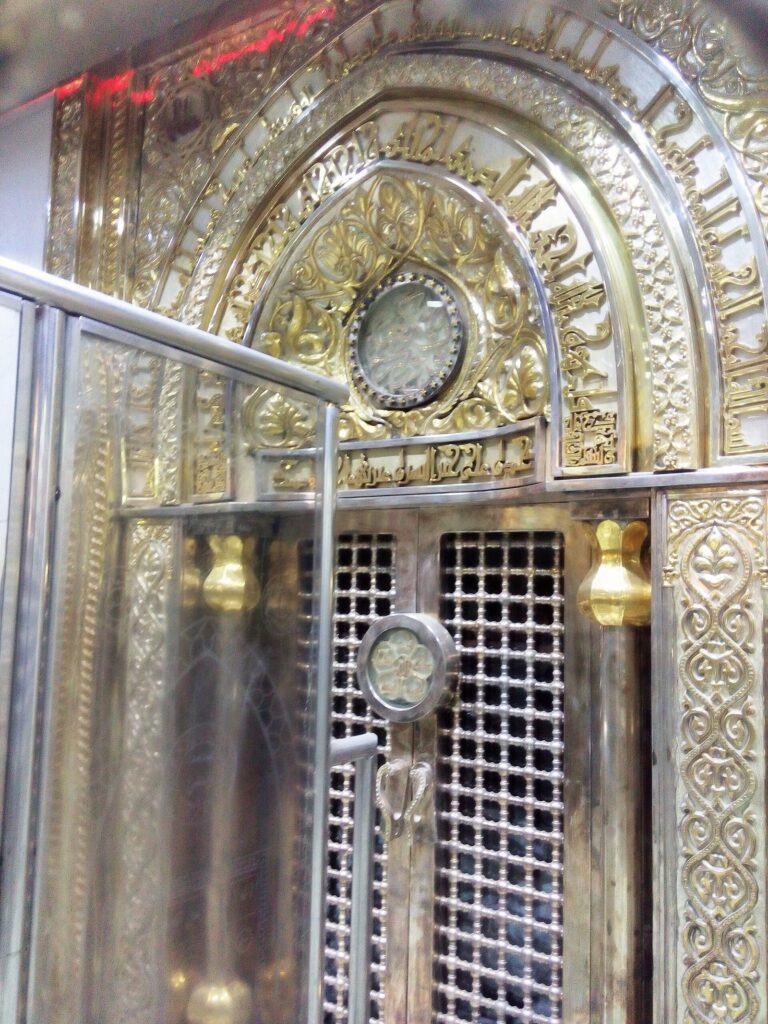
The Great Mosque of Kufa was founded with the city in 638, but it doesn’t look ancient: a rebuild funded and directed by the head of the Dawoodi Bohra community between 1998 and 2010 gave it the gold and silver decoration it has today. Our Kufa guide covers the mosque and the shrines around it. If you are not joining the commemorations, those two nights are ones to avoid for a quiet visit to Kufa or Najaf.
Eid al-Fitr: the travel peak
Ramadan ends with Eid al-Fitr, the festival of breaking the fast, and Eid is when Iraq travels. In 2026 the cabinet closed government offices from Wednesday 18 March to Monday 23 March, with Eid itself on Friday 20 March. In the Kurdistan Region it ran straight into Newroz, the Kurdish New Year on 21 to 23 March, so the Region had a continuous holiday from 20 to 23 March, with full hotels and heavy traffic on the mountain roads. In 2027 the two should fall about a week and a half apart, with Eid expected around 9 or 10 March.
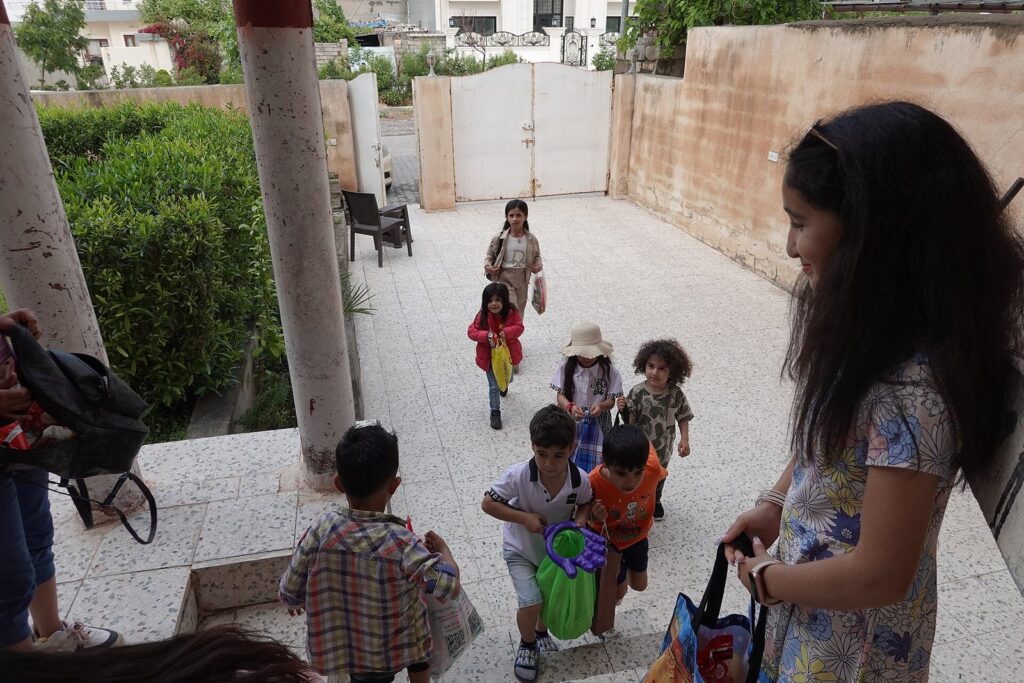
Eid mornings start with prayers and family visits; children go from house to house collecting sweets, and families head out to parks, lakes and the mountains. For a visitor, Eid is colourful but logistically hard: book accommodation and transport well ahead, expect government offices and some businesses to be shut for the whole holiday, and expect the roads north to Erbil and the resorts to be busy. The same pattern holds for Eid al-Adha, when more than 350,000 people visited the Kurdistan Region over four days in May 2026.
Is Ramadan a good time to visit Iraq?
It depends on what you want from the trip. The 2027 dates sit in some of the best weather of the year: Baghdad’s afternoons average 17.8 °C in February and 21.7 °C in March, Basra’s 21.7 °C and 26.8 °C, and the long summer heat is months away. The trade-off is the daytime.
| Traveller | Ramadan verdict | Why |
|---|---|---|
| Interested in Iraqi culture and evenings | Good | The busiest, most social evenings of the year; mheibes, iftar charity, late cafés |
| Archaeology-focused | Workable | The weather suits Babylon, Ur and Uruk, but daytime food and water need planning |
| Short trip with fixed errands | Harder | Shorter office hours and a long Eid shutdown at the end |
| Nightlife in the Kurdistan Region | Check first | Sulaymaniyah restricted alcohol for Ramadan 2025; rules can vary by city |
| Travelling over Eid | Book early | National holiday, full hotels and busy roads, especially to the Kurdish resorts |
For the weather in each month, see our pages on Iraq in winter and the Iraq weather by month tables.
The safety frame during Ramadan
The advisories don’t change with the month. The UK Foreign, Commonwealth & Development Office’s Iraq travel advice, last updated 22 July 2026 and unchanged when we checked on 25 September, advises against all travel to Anbar west of Ramadi, Ninawa, Kirkuk, Salah al-Din, Diyala outside Baqubah city, Jurf al-Sakr in Babil, Baghdad’s Sadr City, within 5 km of the Iranian border in Wasit, Maysan and Basra, and within 5 km of the Saudi and Kuwaiti borders. Everywhere else, including Baghdad, Babil, Karbala, Najaf, Dhi Qar, Basra, Al-Muthanna and the whole Kurdistan Region, is against all but essential travel. The US State Department’s advisory is Level 4, Do Not Travel, reissued on 29 August 2026.
Religious occasions bring their own precautions. The FCDO warns that curfews and vehicle bans can be imposed at short notice around religious holidays, and crowded Ramadan evenings have been targeted before: on 3 July 2016 a truck bomb in Baghdad’s Karrada district, just after midnight among shoppers out after iftar, killed at least 324 people according to Reuters. Expect visible security around evening crowds. The FCDO also warns that your travel insurance could be invalidated if you travel against its advice; our Iraq travel insurance page explains what to check, and our guide to safety in Baghdad covers the capital’s risks. We give you the inputs; the decision stays with you.
What we could not confirm
- Daytime restaurant rules. We found no dated 2026 report on which restaurants close by day in Baghdad or the south, or on any formal ban on daytime service.
- 2026 and 2027 office hours. The one-hour cut is documented for 2025; we did not confirm the 2026 arrangement, and 2027’s will be announced shortly before the month.
- Sulaymaniyah’s alcohol ban. The 2025 announcement is dated, but the issuing authority, its exact scope and whether it was repeated in 2026 are unconfirmed.
- The 2027 dates. 8 or 9 February and 9 or 10 March are projections; Sunni and Shia authorities may again start a day apart.
- Baghdad’s iftar cannon. Search summaries describe the army firing a sunset cannon on Abu Nuwas Street during Ramadan; we could not open a dated report.
- The length of the 2027 Eid holiday. It was six days for government offices in 2026; the 2027 decision has not been made.
- Crowd sizes at Kufa and Najaf on the nights of Ali. We found no official attendance figures.
Frequently asked questions
When is Ramadan in Iraq in 2027?
It is expected to begin on about 8 or 9 February 2027 and end on about 9 or 10 March, with Eid al-Fitr straight after. The exact dates depend on the moon sighting, and in 2026 the Sunni Endowment and the Kurdistan Region started on 18 February while Sistani’s office started on 19 February.
Can tourists eat and drink during Ramadan in Iraq?
Yes, but not in public during daylight. The FCDO advises against eating, drinking, smoking or chewing gum in public during the day, including in your car. Eat and drink in your hotel or another private space, carry water to drink discreetly, and join the rest of the country for food after sunset.
Is alcohol available in Kurdistan during Ramadan?
It depends where. The Kurdistan Region normally sells alcohol openly, but Sulaymaniyah banned public drinking and shut liquor stores for Ramadan 2025. We could not confirm whether it did so again in 2026, or what other cities do, so check locally before assuming a bar will be open.
Is Ramadan a good time to visit Iraq?
For many travellers, yes. In 2027 it falls in mild late-winter weather, and the evenings are the most sociable of the year. The costs are slow, closed days, shorter office hours and a national holiday at the end, when hotels fill and roads are busy.
Are shops and restaurants open during Ramadan in Iraq?
Shops, banks and offices open, but on shifted hours that are rarely published, so do errands in the morning. Daytime restaurant service is the uncertain part: we found no dated 2026 report on which places close by day. Ask your hotel, eat in private during daylight, and expect restaurants to come into their own after iftar.
What happens at Eid al-Fitr in Iraq?
Eid al-Fitr marks the end of Ramadan with prayers, family visits and outings. Government offices close for several days; in 2026 they shut from 18 to 23 March. Children collect sweets door to door, and families travel, especially to the Kurdistan Region’s parks and mountains, so book ahead.
Why does Iraq start Ramadan on two different days?
The month begins when the new crescent is sighted, and Iraq’s Sunni and Shia religious authorities each decide separately whether a sighting counts. In 2026 the Sunni Endowment and the Kurdistan Region accepted a sighting a day earlier than Grand Ayatollah Sistani’s office, so fasting began on 18 February for some Iraqis and 19 February for others.
Final thoughts
Visitors tend to worry about Ramadan as a month of closures. It is better understood as a month when the country runs on a different clock. The mornings and afternoons are quiet and a little inconvenient; the evenings are generous and crowded. If you can live with an empty daytime street and a late dinner, you see a side of Iraq that the rest of the year keeps indoors.
Plan the days, respect the fast in public, and keep Eid in mind at the end. Our guide to Iraqi culture and customs explains the wider etiquette, our page on Iraq in spring covers the weeks after Eid, and our seasonal guide to Iraq puts Ramadan in the context of the whole year.
Photo credits
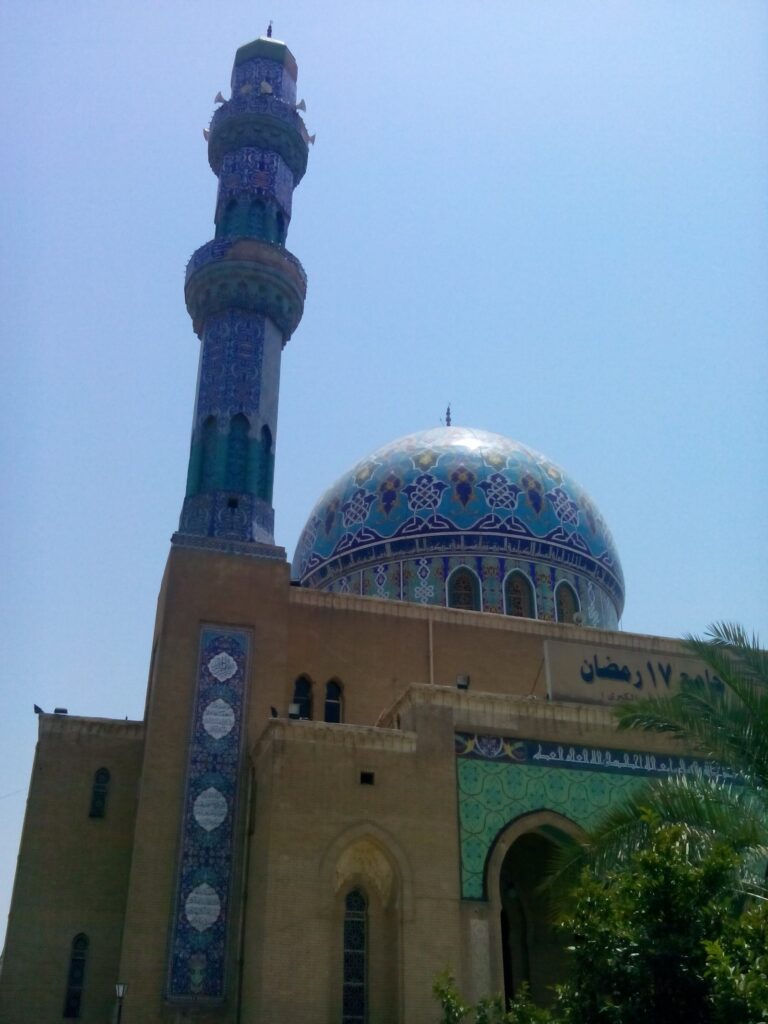
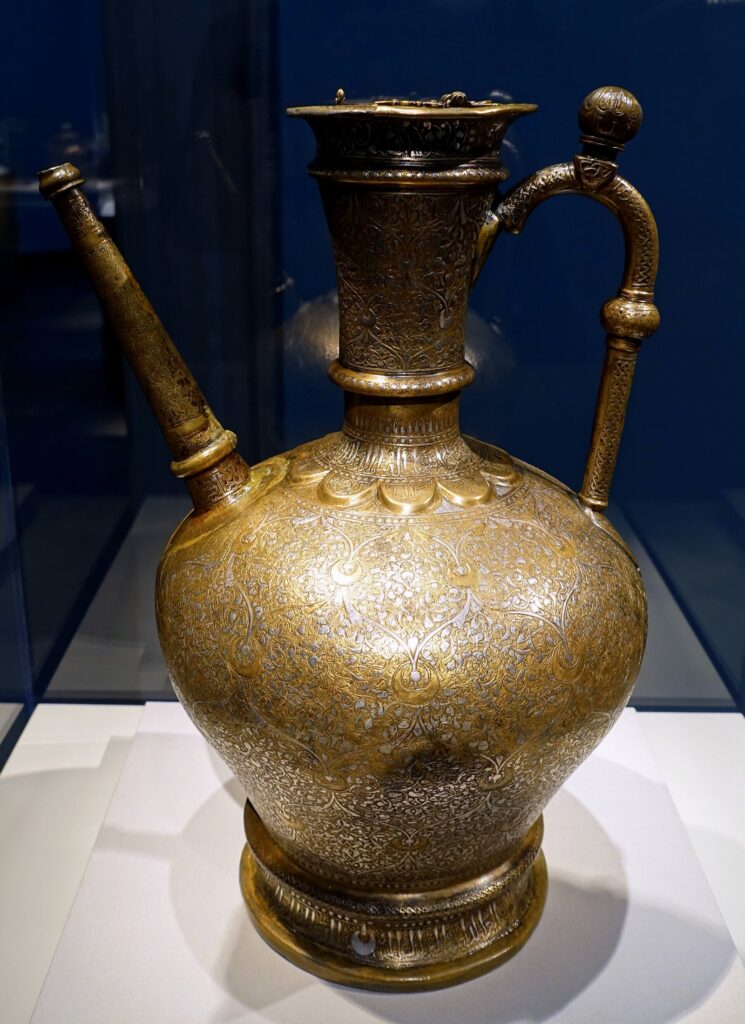
Great Mosque of Kufa (featured image): ن.عامری, Wikimedia Commons (CC BY-SA 4.0). 17 Ramadan Mosque, Baghdad: Usamasaad, Wikimedia Commons (CC BY-SA 4.0). Shabandar café, Baghdad: Karrarheydar, Wikimedia Commons (CC BY-SA 4.0). Mihrab of the Kufa mosque: N. Ameri (ن.عامری), Wikimedia Commons (CC BY-SA 4.0). Eid al-Fitr in Bahirka: Khoshhat, Wikimedia Commons (CC BY 4.0). Mosul ewer, Freer Gallery of Art: Daderot, Wikimedia Commons (public domain). All images via Wikimedia Commons under the licences shown.