
Last updated: June 14, 2026 — temperatures, festival dates and event calendars in this guide were re-checked against meteorological records and official announcements this week. See our Iraq packing list guide.
The first time I planned a trip to Iraq, I spent weeks researching checkpoints and visas and about four minutes deciding when to actually go. That was a mistake. In a country where July pavement can hit 60°C and a single religious festival moves twenty million people down one highway, when you go shapes your trip more than almost any other decision.
The best time to visit Iraq is March–April or October–November, when daytime highs sit between 20°C and 33°C across most of the country. November is the single best month. Avoid June through September unless you are staying in Iraqi Kurdistan’s mountains or joining a pilgrimage prepared for extreme heat.
That is the short version. The long version — the one that tells you why April in Baghdad and April in Erbil are different trips, why Arbaeen now lands in the hottest week of the year, and why winter is secretly the best time for the south — is below. I have organized it so you can read top to bottom or jump straight to your month.
In this guide:
- The short answer, season by season
- How Iraq’s climate actually works (with real numbers)
- Month-by-month: what each month is really like
- The religious calendar: Ramadan, Ashura, Arbaeen and Newroz dates
- Region by region: Kurdistan vs Baghdad vs the south
- If you must come in summer: the survival protocol
- Dust storm season, honestly
- What to pack, season by season
- Best time by traveler type
- Your questions, answered
The best time to visit Iraq, season by season
Here is the whole year at a glance. These verdicts assume the classic first-timer route — Baghdad, Babylon, Karbala or Najaf, the marshes, maybe Erbil — which I cover in detail in our complete Iraq travel guide.
| Season | Weather | Crowds & prices | My verdict |
|---|---|---|---|
| March–April | 20–29°C days, green north, wildflowers | Peak tour season; Newroz fills Kurdistan hotels around March 20–21 | Excellent everywhere — the classic choice |
| May | 36°C in Baghdad, still pleasant in the mountains | Tours thin out fast | Fine for Kurdistan, last call for the south |
| June–September | 41–47°C lowlands; 50°C+ spikes are normal now | Almost no Western tourists; Arbaeen brings 20M+ pilgrims (Aug 3–4 in 2026) | Kurdistan’s mountains only — or pilgrimage with serious preparation |
| October–November | 33°C falling to 23°C; golden light, warm evenings | Second tour season; quieter than spring | My favorite — November is Iraq’s best month |
| December–February | 16–19°C days, cold nights, occasional rain and Baghdad fog | Lowest prices; marsh tourism peaks; snow closes mountain passes | Underrated — ideal for the south and the marshes |
If you only take one thing from this page: book for late October or November if ruins and cities are your priority, late March or April if you want Kurdistan green and the festivals on, and December–February if the Mesopotamian marshes and southern Iraq are the heart of your trip.
If your dates are fixed: shoulder-month strategy
Plenty of people cannot choose their dates — school holidays, leave windows, a wedding in Najaf. If you are locked into May, run the route south-to-north: marshes and Basra in the first days, Baghdad mid-trip, finish in Kurdistan’s mountains where May is peak season. If you are locked into September, do the reverse and load everything southern into your final week, ideally in the cooler mornings of the month’s last days — and eat your way through the date harvest as compensation. If you are locked into high summer, be honest with yourself: either commit to a Kurdistan-only mountain trip, or read the summer survival protocol twice and halve your daily ambitions. June–September itineraries that pretend the heat is not there do not survive contact with a Baghdad afternoon.
Iraq weather and climate: how the year actually works
Iraq’s climate is simple to summarize and brutal in practice: a long, rainless, genuinely extreme summer; a short, mild, slightly wet winter; and two lovely shoulder seasons that everyone sensible travels in. But averages hide the detail that matters, so let me give you the real numbers first.
| Month | Baghdad high/low (°C) | Erbil high (°C) | Basra high (°C) | Rain in Baghdad |
|---|---|---|---|---|
| January | 16 / 4 | 12 | 18 | ~26 mm |
| February | 19 / 6 | 14 | 21 | ~28 mm |
| March | 23 / 10 | 18 | 26 | ~28 mm |
| April | 29 / 15 | 24 | 32 | ~17 mm |
| May | 36 / 21 | 31 | 39 | ~8 mm |
| June | 41 / 24 | 38 | 44 | 0 |
| July | 44 / 27 | 42 | 47 | 0 |
| August | 44 / 26 | 42 | 47 | 0 |
| September | 40 / 22 | 37 | 43 | 0 |
| October | 33 / 17 | 29 | 36 | ~3 mm |
| November | 23 / 10 | 20 | 26 | ~21 mm |
| December | 17 / 6 | 14 | 19 | ~26 mm |
Long-term climate normals, rounded; individual years swing a few degrees either way — and recent years have mostly swung hot.
Four things jump out of that table once you have actually traveled on it:
The summer is not “hot” — it is among the hottest inhabited places on Earth. Basra recorded 53.9°C on July 22, 2016, one of the highest reliably measured temperatures anywhere, ever. Baghdad set its own record of 51.8°C on July 28, 2020. These are not freak readings from a desert outpost; they are capital-city afternoons. Almost every recent summer has produced 50°C somewhere in central or southern Iraq.
It will not rain on your trip between June and September. Zero. The flip side: from November to April, rain is occasional but real — and because much of Iraq is dust and hard-baked clay, a wet day turns archaeological sites into skating rinks of mud. I build one flexible day into any winter itinerary for exactly this.
There are two Iraqs. The lowland plain — Baghdad, the shrine cities, Basra, the marshes — bakes. The Kurdish north-east climbs into the Zagros mountains, where Sulaymaniyah (at about 850 m) runs roughly ten degrees cooler than Basra year-round, gets a proper 700+ mm of rain and snow between October and April, and keeps ski-jacket winters and hikeable summers. Whole sections of this guide split along that line; so does our Iraqi Kurdistan travel guide.
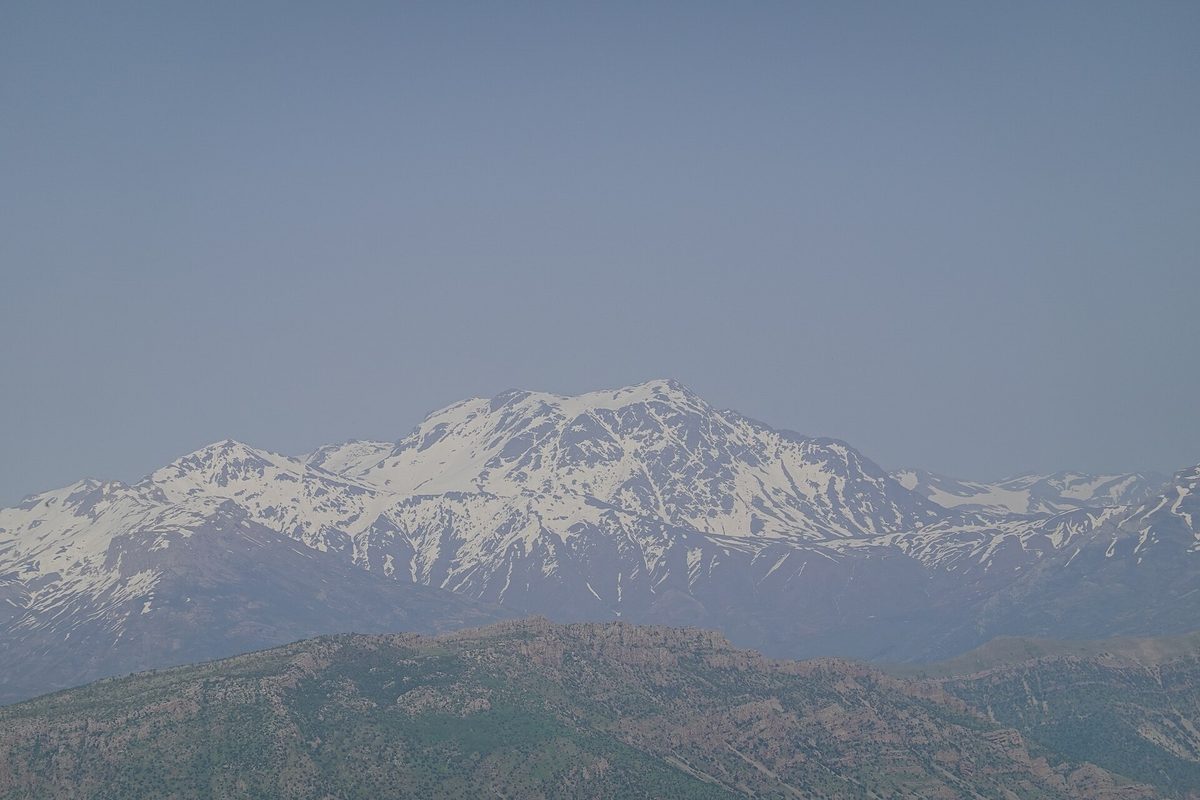
Winter is mild by day and colder than you expect by night. Baghdad in January is T-shirt weather at noon and 4°C at midnight. It even snowed in Baghdad on February 11, 2020 — the first settling snow in over a decade, and people poured into the streets to photograph it. In the mountains, snow is annual and serious: passes close, and Mount Halgurd (3,607 m, Iraq’s highest accessible summit) holds snowfields into May.
One more honest note: Iraq’s climate is moving, fast. The UN ranks Iraq among the countries most vulnerable to climate change, and the trend lines all point the same way — hotter summers (Baghdad’s 2020 record beat one set only in 2015), more frequent dust storms as the plains dry, and marshes that swing between drought and revival year to year. Practical translation for travelers: treat the shoulder seasons as slightly shorter than older guidebooks claim — mid-May is the new June, late September is the old early September — and check the current year’s water and heat situation before committing to a summer or marsh-focused trip.
Iraq month by month: when to visit and what each month is really like
Temperatures below are typical Baghdad daytime highs; I flag where the north or south differs enough to matter.
January — the marshes’ finest hour
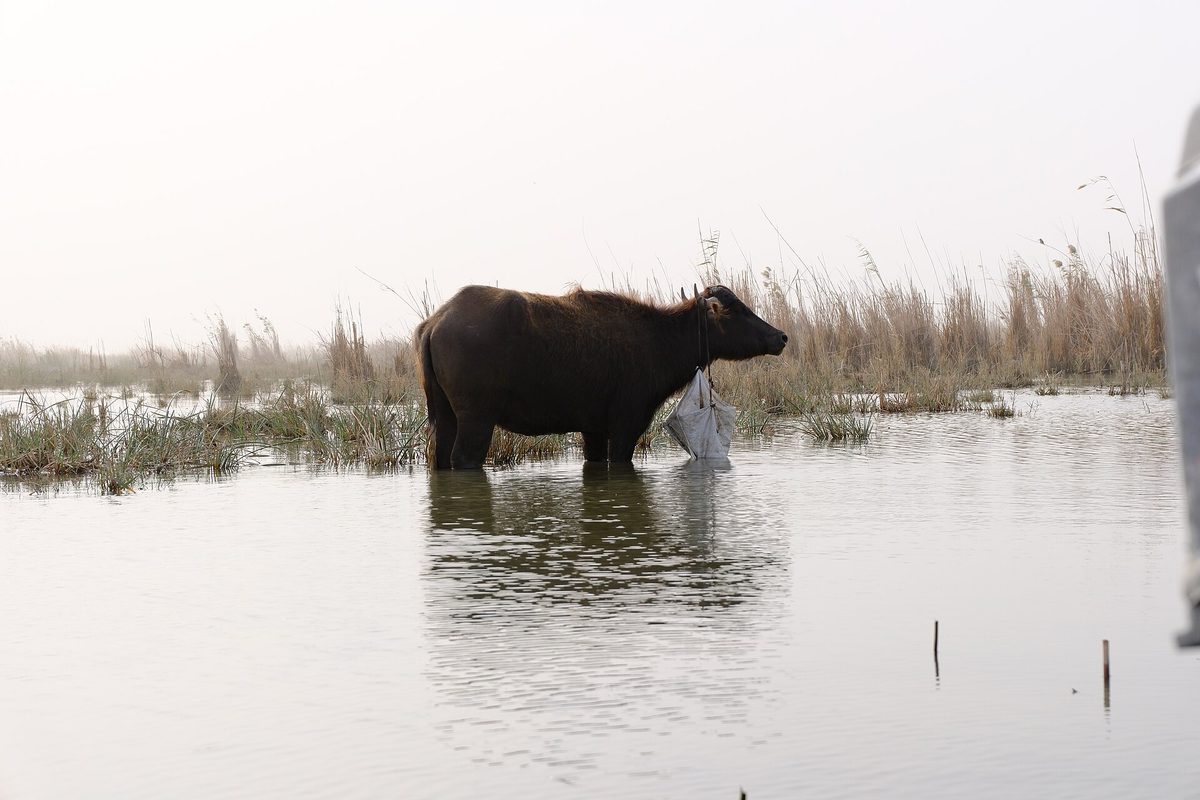
Baghdad: ~16°C days, near-freezing nights. The coldest month, and honestly one of my favorites in the south. The light is low and silver, the crowds are nonexistent, and the great archaeological sites — Babylon, Ur, Uruk — are empty enough that you will share a ziggurat with nobody but the site guard. The Mesopotamian marshes are in full winter glory: hundreds of thousands of migratory birds, flamingos among them, winter here after flying in at the start of the season. Bring a real jacket for evenings, expect occasional rain to turn site access muddy, and watch for morning fog delaying Baghdad flights. Kurdistan is cold (Erbil ~12°C, mountains snowbound) — beautiful for photographers, wrong for hiking.
February — quiet, green edges, last calm before spring
Baghdad: ~19°C. Rain still possible, but the first warmth creeps in and the southern desert edges turn faintly green. Still prime marsh season. From 2027 onward this is also when Ramadan begins (around February 8, 2027 — see the religious calendar section for why that matters for opening hours and food). February is the cheapest, quietest month to travel Iraq, and totally workable if you pack for cool evenings.
March — Newroz, wildflowers and the start of high season
Baghdad: ~23°C; Erbil ~18°C. Spring proper. Tour season opens, the north turns genuinely green, and on March 20–21 Kurdistan throws its biggest party: Newroz, the Kurdish New Year. The town of Akre is its symbolic capital — at dusk on March 20, thousands of torch-bearers snake up the mountainside above the old town (about 88,000 people attended in 2026, with 2,500 torches prepared for the climb). It is one of the great festival spectacles of the Middle East. It also means every hotel in Akre, Erbil and Sulaymaniyah fills that week — book weeks ahead or sleep far away. One caveat: March opens dust-storm season in the center and south.
April — the classic month (with one airborne caveat)
Baghdad: ~29°C; Erbil ~24°C. The most popular month for organized tours, and it earns it: warm but not hot in the south, perfect in the north, wildflowers across the Zagros foothills, snow still photogenic on the high peaks like Halgurd. Spring 2026 was a particularly good year — strong winter rains revived the marshes after years of drought, and the wetlands went into spring fuller than they had been in years. The caveat: April and May are statistically the peak months for serious dust storms (more in the dust storm section). Build a buffer day around any internal flight.
May — Kurdistan’s month
Baghdad: ~36°C and climbing week by week; Erbil ~31°C; the mountains 5–10°C cooler again. In the south, May is the last realistic month for full sightseeing days, and even then you will want the summer protocol by afternoon. In Kurdistan it is glorious: snowmelt waterfalls at full blast (Bekhal and Gali Ali Beg are roaring), green valleys, hiking season in full swing. If your dates force you into May, flip the classic route: do the south first, finish in the mountains.
June — the door closes
Baghdad: ~41°C. The first true furnace month: zero rain, hot nights, and the shamal — the relentless north-westerly summer wind — starting to blow dust down the Tigris–Euphrates plain. In 2026, Ashura falls on June 25–26, when Karbala and Najaf fill with mourning processions and millions of pilgrims; an extraordinary thing to witness if you are prepared for both the heat and the intensity (our ziyarat and holy cities guide explains the rituals and practicalities). For general sightseeing, June is the month I stop recommending Iraq’s lowlands entirely.
July — the hottest large city on Earth
Baghdad: ~44°C average high, which means regular weeks above 48°C. This is the month of Basra’s 53.9°C record (July 22, 2016) and Baghdad’s 51.8°C record (July 28, 2020). The state power grid strains under demand — a heatwave in August 2025 triggered a nationwide blackout — so budget-hotel air conditioning lives and dies by the building’s generator contract. Iraqis themselves flee north: Kurdistan’s hill resorts run their domestic high season now, so Erbil-bound travelers will find busy waterfalls and full family resorts rather than emptiness. Sightseeing in the south in July is genuinely risky without discipline. I have done it; I do not recommend it.

August — Arbaeen’s new home
Baghdad: ~44°C; Basra ~47°C. As hot as July, with one colossal difference: Arbaeen. In 2026 it falls on August 3–4, and the shrine authorities counted more than 21 million pilgrims in 2025 — the largest annual gathering of people on the planet, most of whom walk the ~80 km from Najaf to Karbala in this heat, supported by thousands of volunteer rest tents. If you are joining the walk, August is your month and an entire infrastructure exists to carry you through it. If you are not, avoid the Najaf–Karbala corridor for about ten days either side: roads close, hotels in both cities sell out at multiples of normal prices, and transport across the south jams solid. Mid-August also brings the start of the date harvest — Iraq’s palm groves begin dropping khalal dates into market stalls everywhere.

September — hot, but the light starts to forgive
Baghdad: ~40°C, falling noticeably by the final week. Still a furnace month for the south; Kurdistan begins to soften (Erbil ~37°C, mountain evenings cool). The date harvest peaks — if you are here, eat fresh rutab dates with sour cream (gaymar) once and you will never look at a supermarket date again. Late September is when I would first consider landing in Erbil for a mountains-only trip; I would still not book Baghdad sightseeing before October.
October — the second season opens
Baghdad: ~33°C, and by late month the evenings turn soft and golden. Tour operators restart their group departures in mid-October for good reason: the heat has broken, the summer dust has settled, and every region works again. Kurdistan in late October is quietly spectacular — vineyards and orchards in autumn color against bare mountains. The marshes are recovering from summer’s low water and heat; by month’s end, boat trips are pleasant again. If spring dates fill up or you hate even mild crowds, October is your answer.

November — the best month to visit Iraq
Baghdad: ~23°C. I will say it plainly: November, by a nose over April, is Iraq’s best month. Perfect ruin-walking temperatures across the entire south, the first rains greening the north, golden light over everything, marsh birdlife arriving for the winter, and prices at their reasonable autumn levels. Every region of the country works in November — it is the one month I recommend without a single asterisk. Plan around it if you possibly can; our guide to Iraq’s best places is effectively written for a November traveler.
December — fog, festivals and the quiet south
Baghdad: ~17°C days. Winter arrives gently in the south: mild days, cold nights, occasional rain, and Baghdad’s notorious morning fog — pad your connection times. Kurdistan goes properly cold, with the first snow closing high passes (Korek Mountain’s gondola becomes a snow-play destination for Iraqi families). Christmas is an official public holiday in Iraq, and celebrating it in the Christian towns of the Nineveh Plain or Erbil’s Ankawa district — midnight mass in Syriac, streets strung with lights — is one of the most moving things I have done in this country. The marshes hit their winter stride again. December is underrated: pack layers and it rewards you.
The religious calendar: the dates that move your trip (2026–2030)
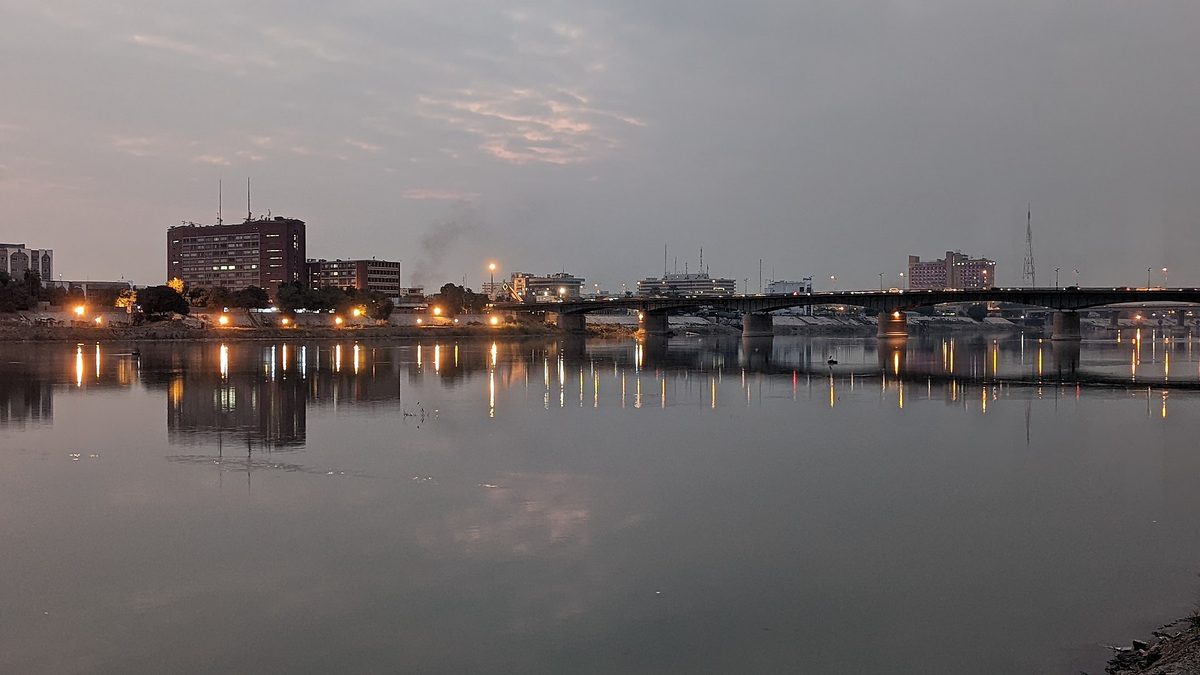
Here is the thing almost every “best time to visit Iraq” article gets wrong, or stale: the biggest crowd events in Iraq do not sit still. Ramadan, Ashura and Arbaeen follow the Islamic lunar calendar, which runs about 11 days shorter than the solar year — so each event arrives roughly 11 days earlier every year. A guide written in 2022 will tell you Arbaeen is an autumn event. In 2026 it is in early August; by 2030 it will be in June.
These dates matter even if you are not religious, because they decide where twenty million people are standing. Plan with this table (Iraqi dates are confirmed by moon sighting, so treat each as ±1 day):
| Event | 2026 | 2027 | 2028 | 2029 | 2030 |
|---|---|---|---|---|---|
| Ramadan begins | Feb 18 | Feb 8 | Jan 28 | Jan 16 | Jan 6 |
| Eid al-Fitr | Mar 20 | Mar 9–10 | Feb 26–27 | Feb 14–15 | Feb 4–5 |
| Eid al-Adha | May 27 | May 16–17 | May 5–6 | Apr 24–25 | Apr 13–14 |
| Ashura | Jun 25–26 | Jun 14–15 | Jun 3–4 | May 23–24 | May 12–13 |
| Arbaeen (Karbala) | Aug 3–4 | Jul 24–25 | Jul 12–13 | Jul 1–2 | Jun 20–21 |
| Newroz (Kurdistan) | March 20–21 every year (solar calendar — it does not move) | ||||
| Christmas | December 25 every year — an official public holiday in Iraq | ||||
2026–2027 dates cross-checked against official announcements and multiple Hijri converters in June 2026; later years are astronomical estimates.
Arbaeen: avoid it or embrace it — nothing in between
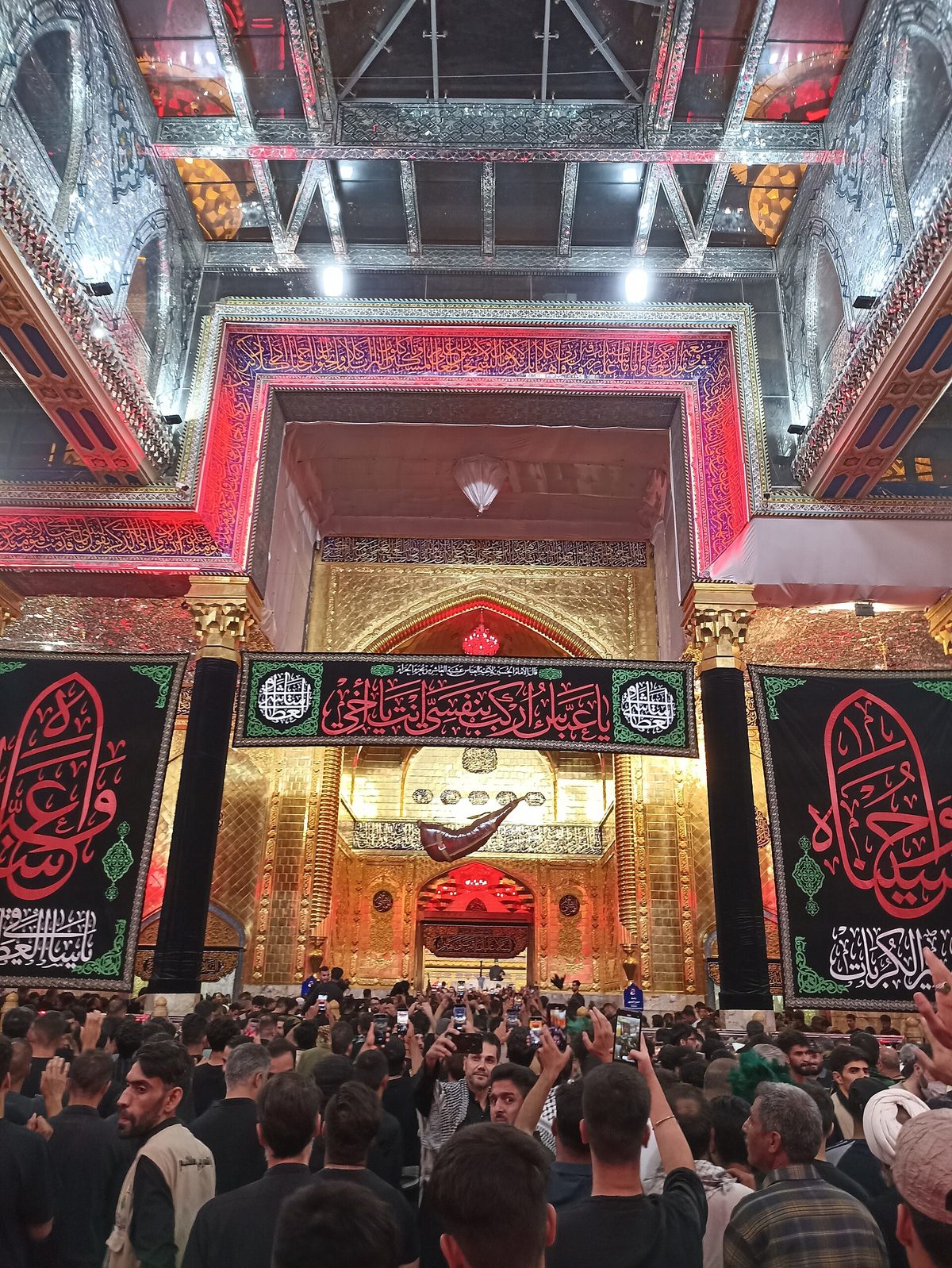
Arbaeen is the largest annual gathering of human beings on Earth — the Imam Hussain shrine authority counted over 22 million visitors in 2025, against official counts of around 21 million the same year from the Abbas shrine. For about two weeks around the date, the Najaf–Karbala corridor becomes a single, slow-moving river of people. Karbala hotels sell out completely months ahead, then resell at several times face value; intercity transport across southern Iraq jams; security checkpoints multiply. If you are a non-pilgrim tourist hoping to “just have a look”, you will spend your trip in queues. Either build your trip around the walk itself — genuinely one of the most extraordinary human experiences available to a traveler, and our Iraq pilgrimage guide covers how non-Muslim and Muslim visitors alike can approach it respectfully — or keep at least a week’s distance from it on the calendar and the map.
Ramadan: a different rhythm, not a closed country
Traveling Iraq during Ramadan (February in the coming years — see table) is entirely possible and often lovely, but the rhythm inverts. Restaurants outside hotels and Christian districts close until sunset; museum and site hours shorten; drivers and guides fast, so afternoon energy dips; and the iftar meal at sunset turns every street into a party. Eat breakfast in your hotel, snack discreetly in private, never eat or smoke openly in public out of respect, and say yes to every iftar invitation you receive — you will receive several. The shrine cities are at their most atmospheric in the final ten nights.
Newroz: the one fixed star
Because it follows the spring equinox, Newroz (March 20–21) never moves — the planning gift of the Iraqi calendar. It is also a public holiday across the Kurdistan Region, with the week around it functioning as Kurdistan’s domestic peak season: families picnic en masse, mountain resorts fill, and Akre’s torchlit procession draws tens of thousands. Book Kurdish accommodation for the second half of March well ahead, and double-check that intercity drivers are working on the holiday itself.
Iraq seasons by region: Kurdistan, the center and the south
If your trip leans heavily toward one region, your calendar should too. This is the matrix I wish someone had handed me before my first trip:
| Region | Best months | Workable | Avoid | Why |
|---|---|---|---|---|
| Iraqi Kurdistan (Erbil, Sulaymaniyah, the mountains) | April–May, October | March, June, September, November | December–February for hiking (snow); July–August still hit 40°C+ in the cities | Mountain climate: green springs, snowy winters, summers hot but survivable |
| Baghdad & central Iraq (Babylon, Samarra, the shrine cities) | November, March–April | October, December–February | June–September | Pure continental lowland: extreme summer, mild winter |
| The south (Basra, the marshes, Ur, Uruk) | November–February | March, October | May–September | Hottest region in Iraq; winter is its season — marsh birdlife peaks Nov–Feb |
Three practical consequences. First, the classic two-week route — Baghdad, Babylon, Najaf, Karbala, the marshes, Basra, then north to Erbil — only works in both halves during the shoulder seasons; in any other month, weight your days toward whichever region is in season. Second, winter southern trips are far better than their reputation: most of what you came for (Mesopotamian ruins, marsh boats, shrine cities) is outdoors and unshaded, and 18°C is a gift at all of them. Third, if someone tells you Erbil is cool in summer because of “elevation” — it sits at barely 400 m and averages 42°C in July. The cool is two hours further up the mountain roads.
If you must visit Iraq in summer: the protocol
Work brought me through Iraq in high summer once, and the month taught me rules I now treat as law. If a pilgrimage, a wedding, or sheer stubbornness puts you in lowland Iraq between June and September, this is how you make it work:
- Live by the split day. Sightsee 6–10 a.m., disappear into AC or shade until 5 p.m., live again after dark. Iraqi cities do exactly this — the shrine squares in Najaf and Karbala are at their liveliest at 10 p.m., and that is when you should be out too.
- Treat 45°C dry heat with respect, and Basra’s humidity with fear. Inland heat evaporates sweat instantly; you dehydrate without feeling wet. Basra adds Gulf humidity on top in some periods, which defeats the body’s cooling entirely. Drink constantly — oral rehydration salts every day, not just water.
- Audit the AC before you book. The state grid sags under summer demand (August 2025’s heatwave blacked out the whole national grid for a day); what saves you is the hotel’s own generator. Ask directly: “generator 24 hours?” Budget places that skimp on this are uninhabitable in July.
- Dress for it within local norms. Modest dress is non-negotiable, especially in the shrine cities — the answer is loose natural fabrics, not less coverage. Long, light, white. A hat and real sunglasses. Iraqis have dressed for this climate for five thousand years; copy them.
- Protect your electronics and your schedule. Phones overheat and shut down on 48°C afternoons — keep yours shaded and carry a power bank. Book flights for early morning before heat and dust build, and never schedule a same-day onward connection in July.
- Know your refuge. Iraq’s own summer refuge is Kurdistan’s high country: Bekhal waterfall, Rawanduz canyon, Korek Mountain’s gondola. They will be busy with Iraqi families — which is half the fun — but evenings at 1,500 m are 15 degrees kinder than Baghdad. Our Kurdistan guide maps that escape route in detail.
Dust storm season in Iraq: what it actually means for your trip
Nobody puts dust storms in the brochure, so let me. Iraq has two dusty personalities: sharp spring storms (March–June, peaking April–May) when southerly winds lift the dried plains into walls of orange, and the steadier summer shamal from the north-west that keeps a haze over the whole Tigris–Euphrates valley from mid-June into September. Climate change and upstream water loss are making both worse — 2022 was the warning year, when a dozen major storms in two months repeatedly closed Baghdad and Najaf airports, sent about 5,000 Iraqis to hospital with breathing trouble in a single May storm, and turned the midday sky Mars-orange.
What this means in practice for a spring traveler: a serious storm costs you a day — flights ground, visibility drops below half a kilometer, and the sensible move is tea indoors until it passes, usually within 24 hours. Carry an N95-style mask (sold in every Iraqi pharmacy) and eye drops if you wear contacts; keep camera gear bagged during storms; and put a buffer day before any international flight in April or May. Photographers, a consolation: the day after a dust storm produces the cleanest, sharpest light of the year, and a mild haze makes Mesopotamian sunsets apocalyptically beautiful.
What to pack for Iraq, season by season
Iraq punishes generic packing lists, so here is mine, refined over multiple seasons — the year-round core first: modest, loose clothing that covers shoulders and knees regardless of heat (mandatory in shrines, wise everywhere); a scarf for women for shrine visits (chador often provided or rented at the big shrines, but carry your own headscarf); broken-in walking shoes that can take ruin-site dust; a power bank; and a small pharmacy of rehydration salts, sunscreen and any prescriptions, because pharmacies are everywhere but brands differ.
- Spring (March–May): light layers plus one warm layer for desert and mountain evenings; an N95-style mask and wraparound sunglasses for dust season; a light rain shell in March; swimwear if your Kurdistan plans include waterfall pools (worn modestly — shorts and shirt for men, full coverage for women in family areas).
- Summer (June–September): the lightest long clothing you own, in natural fabrics and pale colors — two changes a day in the south; a wide-brim hat; electrolyte sachets for every single day; a shemagh or buff for shamal dust; nothing dark, nothing synthetic, nothing tight.
- Autumn (October–November): the easy season — spring list minus the dust gear, plus a fleece for late-November nights in the north.
- Winter (December–February): a real jacket, hat and gloves for mountain Kurdistan and pre-dawn starts anywhere; waterproof footwear for muddy site days; layers for 4°C nights that follow 18°C afternoons; sunscreen still — the marsh-water glare in January is no joke.
The best time to visit Iraq, by traveler type
First-time visitor doing the classic route
November first, April second. Both halves of the country work, nothing is closed, and the weather never makes decisions for you. Get your e-visa sorted three weeks out and you are set.
History and archaeology travelers
October through March. Ruin sites in Iraq are shadeless — Babylon, Ur, Hatra and Uruk in summer are endurance events, while a cool January morning alone at Ur, frost still on the baked brick, is the version you came for. Winter rain days are the only risk; keep one flex day per week for muddy site access.
Pilgrims and religious travelers
Your calendar is set by the events themselves: Arbaeen (Aug 3–4, 2026, drifting earlier each year), Ashura (Jun 25–26, 2026), and the quieter months for unhurried ziyarat — January and February, when the shrines of Najaf, Karbala, Kadhimiya and Samarra are at their most contemplative and hotel prices at their lowest. Full ritual and logistics detail lives in our holy cities pilgrimage guide.
Hikers and mountain travelers
April–May for green valleys and waterfalls at full flow (snowline hiking on Halgurd is a May–June affair); October for stable weather and autumn color. Mountain winters are for snowshoes, not trails, and high summer hiking is dawn-only below 1,500 m.
Birders and photographers
November–February, no contest. The marshes fill with wintering flamingos, pelicans and the endemic Basra reed warbler’s habitat at its fullest; winter light in the south is extraordinary; and one warning from experience — the low sun reflecting off marsh water will sunburn you from below in January. Bring sunscreen to the wetlands even in winter.
Budget travelers
December–February (excluding Christmas week in Kurdistan and any Ramadan-period shrine-city peaks). Hotels discount, sites are empty, and the only real costs of winter are a warmer sleeping layer and the occasional rained-off day. Summer is technically cheaper still in the south — for reasons this guide has spent 5,000 words explaining.
Best time to visit Iraq: your questions, answered
What is the best month to visit Iraq?
November. Daytime highs around 23°C in Baghdad, every region of the country in season at once, golden light over the ruins, marsh birdlife arriving, and autumn prices. April matches it for weather but adds dust-storm risk and bigger tour-group crowds; November wins by a nose.
What is the hottest month in Iraq?
July, fractionally ahead of August. Baghdad averages around 44°C at midday and exceeds 48°C in most years; Basra holds Iraq’s record at 53.9°C (July 22, 2016). Nights barely drop below 27°C in the cities. Only Kurdistan’s mountains stay genuinely livable.
Does it snow in Iraq?
Every winter in the Kurdish mountains, where passes close and peaks like Halgurd hold snow into May; occasionally in Mosul and the northern plains; and almost never in Baghdad — the February 2020 snowfall was the city’s first settling snow since 2008 and stopped traffic for joy.
When is the rainy season in Iraq?
November to April, peaking midwinter. Baghdad gets only ~125 mm a year, so most winter days are dry and bright — but the north is wetter (Mosul ~355 mm, the mountains 700+ mm), and any real rain turns unpaved site access to mud for a day or two. June through September are completely dry nationwide.
When is Arbaeen in 2026 — and should tourists avoid it?
August 3–4, 2026 (±1 day by moon sighting), moving ~11 days earlier each year after. More than 21 million pilgrims converged on Karbala in 2025. Join it deliberately and prepared, or stay a week and a hundred kilometers clear of the Najaf–Karbala corridor; there is no comfortable middle option.
Can you visit Iraq during Ramadan?
Yes — daily rhythm just inverts. Daytime restaurants close outside hotels and Christian quarters, site hours shorten, and energy shifts to the nights, which are festive and welcoming. Eat privately in daylight, accept iftar invitations, and book the shrine cities early in the final ten nights. From 2027 Ramadan falls in February — Iraq’s mildest weather.
When is the best time to visit the Mesopotamian Marshes?
November to March. Migratory birds winter in the wetlands by the hundreds of thousands, temperatures suit long boat days, and water levels are at their seasonal best — especially after the strong rains that revived the marshes in early 2026. Summer visits are possible but hot, low-water affairs.
When is dust storm season in Iraq?
Sharp storms cluster from March to June, peaking April–May; the steadier shamal haze runs mid-June to September. A major storm closes airports for up to a day, so pad flight connections in spring. Winter (November–February) is the clearest season.
Final thoughts: pick the month, then let Iraq do the rest
I have watched travelers fight Iraq’s calendar and lose — a July Babylon visit abandoned by 9 a.m., a Newroz arrival with no bed within fifty kilometers of Akre. And I have watched the country hand its best self to anyone who simply showed up in the right month: a November afternoon alone on the walls of Babylon, a January dawn in the marshes with ten thousand birds lifting off at once, torchlight climbing the mountain above Akre on the spring equinox.
The rules are short. November if you can, March–April if you cannot, winter for the south, never high summer in the lowlands unless you are walking to Karbala with twenty million friends, and always — always — check where the lunar calendar has moved Arbaeen before you book. Start with the month, build the route around it with our complete travel guide and honest safety briefing, and Iraq will take care of the rest. It always does.
Photo credits
All images via Wikimedia Commons: Levi Clancy (CC0); Khoshhat (CC BY 4.0); Alli Khalil (CC BY-SA 4.0); AHK AV (CC0); Kushared / Mohammed Sardar (CC BY-SA 4.0); Ali shikho (CC BY-SA 4.0); Zahra Alsaffar (CC BY-SA 4.0).