Iraqi culture runs on hospitality, faith and family. Visitors are met with overwhelming warmth — endless tea, pressed invitations to eat — inside a conservative, mostly Muslim society where modest dress, using your right hand, and respect for religion and elders all matter. Get a handful of customs right and Iraqis will open every door for you. Dress is the part that most affects what goes in your bag — our Iraq packing list translates the etiquette into a kit list.
I’ll say this up front: nowhere I’ve traveled has people been kinder to me than Iraq, and nowhere have I felt more conscious of being a guest who ought to behave well. The two go together. Iraqis are so generous with strangers precisely because hospitality, honor and faith are woven through daily life — and the same code that gets you fed three times before lunch also quietly governs how you dress, what you photograph, which hand you eat with, and what you don’t joke about.
This is the culture and etiquette hub of our complete Iraq travel guide, and I’ve written it as the briefing I wish I’d had before my first trip: not a dry list of “dos and don’ts,” but a real explanation of how Iraqi society works and how to move through it gracefully. We’ll cover the religion, the greetings (in Arabic and Kurdish), the hospitality rituals that trip up first-timers, the dress code region by region, the rules around Ramadan and mourning, the photography and alcohol laws that have actually changed recently, and the handful of topics to leave alone. None of it is hard. Most of it is just paying attention.
Iraqi culture at a glance
If you read nothing else, read this. Here’s the orientation I give friends before they fly out.
| Aspect | What to know |
|---|---|
| Religion | Overwhelmingly Muslim (~95–98%), with a Shia majority and large Sunni minority, plus small Christian, Yazidi and other communities. Faith shapes daily life. |
| Languages | Arabic and Kurdish are both official. English is limited outside hotels and the young; a few phrases go a long way. |
| Greetings | “As-salamu alaikum.” Men shake hands warmly; with the opposite sex, wait and let them offer first. A hand on the heart is the polite default. |
| Dress | Modest and conservative. Cover shoulders and knees; women carry a scarf for mosques and shrines. Kurdistan is more relaxed; the holy cities are strict. |
| Hospitality | Immense and sincere. Expect tea, food and invitations. A light refusal before accepting is normal; don’t over-admire your host’s possessions. |
| Right hand | Eat, give and receive with the right hand. The left is considered unclean by more observant Iraqis. |
| Alcohol | Heavily restricted nationwide since 2023–24; openly available only in Kurdistan. Effectively absent in the holy cities. (Details below.) |
| Photography | Ask before photographing people, especially women. Never photograph checkpoints, soldiers, police or government buildings. |
| Sensitive topics | Let locals raise politics, Saddam, the wars or sectarian identity. Don’t criticize Islam. Sympathy is welcome; opinions aren’t. |
The single most important thing to internalize: Iraq is not one culture. It’s a mosaic, and the gap between, say, secular-leaning Erbil in Iraqi Kurdistan and the devout shrine city of Najaf is enormous. What’s relaxed in one place is offensive in another. So treat everything here as a baseline you adjust as you move — I’ll flag the regional differences throughout.
One country, many cultures: Iraq’s mosaic
Iraq is the heart of ancient Mesopotamia — the cradle of civilization, where writing, cities and law were arguably invented — and modern Iraqis carry that history with real pride. But the country that sits on those ruins today is strikingly diverse, and understanding the main groups helps everything else make sense.
The largest group is Arabs (roughly three-quarters of the population), most of whom live in central and southern Iraq and the great cities of Baghdad, Basra, Najaf and Karbala. The second-largest is the Kurds (around a fifth), concentrated in the mountainous, semi-autonomous Kurdistan Region in the north, with their own language, dress and a noticeably more liberal social feel. Then come smaller communities that have been here for millennia: Turkmen, Assyrian and Chaldean Christians (whose numbers have fallen dramatically since 2003), Yazidis (whose holiest site, Lalish, sits in the northern hills), Shabak, Sabean-Mandaeans, and the Marsh Arabs (Ma’dan) of the southern wetlands, who still live among the reeds in a way that would be recognizable to a Sumerian.
Religion overlaps with all of this. Iraq is one of the very few Arab-majority countries with a Shia Muslim majority — which is exactly why it holds the most important shrines in Shia Islam and draws millions of pilgrims (more on that in our Iraq pilgrimage guide). There’s also a substantial Sunni population (Arab and Kurdish), and the smaller faiths above. For a traveler, the practical upshot is simple: you’re moving through a deeply religious society most of the time, and a respectful, faith-aware default will serve you everywhere.
Arab Iraq vs Iraqi Kurdistan: the split that changes how you behave
This is the distinction nobody explains clearly, so here it is in a table. Iraqi Kurdistan runs its own region with its own checkpoints, its own visa channel (see the Iraq visa guide), and a markedly different social atmosphere. Crossing from Erbil down to Baghdad or Najaf, you should consciously dial your behavior up a notch in conservatism.
| Arab Iraq (Baghdad & the south) | Iraqi Kurdistan (Erbil, Suli, Duhok) | |
|---|---|---|
| Main language | Arabic | Kurdish (Sorani/Kurmanji); younger Kurds may not speak Arabic |
| Social feel | More conservative; devout in the south & holy cities | More relaxed and secular-leaning |
| Women’s dress | Modest; headscarf for shrines; abaya in Najaf/Karbala | Relaxed; no headscarf needed; jeans & short sleeves common |
| Alcohol | Heavily restricted; discreet at best; absent in holy cities | Openly and legally sold |
| Mixed-gender mixing | More separated, especially socially | More common in cafés and restaurants |
| First-timer ease | Rewarding but requires more care | The easiest soft landing in Iraq |
Neither is “better” — they’re different, and both are wonderful. But knowing which Iraq you’re standing in is the foundation of good etiquette here.
Religion in daily life: what visitors should understand
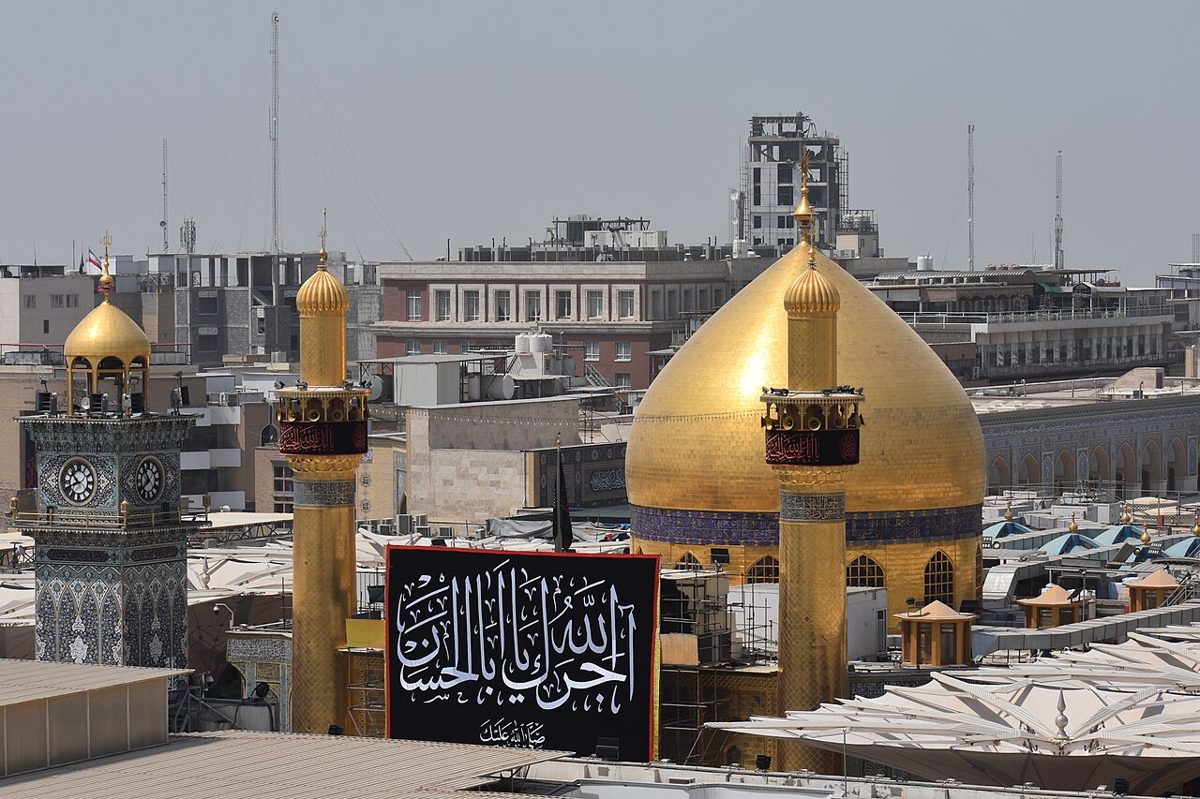
You don’t need to know theology to travel respectfully, but you do need to grasp how present religion is. The call to prayer (adhan) sounds five times a day from every mosque, and it genuinely structures the rhythm of life — shops may pause, conversations soften. You’re not expected to do anything except not be obnoxious during it; let it wash over you, and lower your voice near a mosque at prayer time.
A few practical norms around faith that matter for visitors:
- Mosques and shrines: Dress modestly, remove your shoes, and follow the gender-separated entrances. Many working mosques welcome respectful non-Muslim visitors outside prayer times; some major Shia shrines (the Imam Ali shrine in Najaf, the Imam Husayn shrine in Karbala) have at times restricted or supervised non-Muslim entry, so always ask rather than assume. Women will need to cover their hair, and at the big shrines wear an abaya, usually provided at the gate.
- Friday is the holy day and the start of the weekend (Friday–Saturday in most of Iraq). Expect a slower morning and busy mosques.
- Don’t criticize Islam or make light of religious figures, practices or taboos — including jokes you’d consider harmless at home. This is the fastest way to lose the goodwill that otherwise flows so freely.
- “Insha’Allah” (“God willing”) peppers every conversation about the future, and “Alhamdulillah” (“praise God”) follows good news. You’ll also hear “Allahu Akbar” as an exclamation of awe. Learning to read these as social glue, not slogans, helps you tune in.
The minority faiths are part of the texture too. You can visit the Yazidi holy valley of Lalish in the north, ancient Christian towns on the Nineveh Plains, and churches in Baghdad, Erbil and Mosul — all with the same modest, ask-first respect. I’ll cover the specific Lalish customs in the dress section, because one of them is genuinely unusual.
Greetings, language and the phrases worth learning
Greetings in Iraq are warm, unhurried and a little ceremonial — rushing them reads as cold. Take the extra thirty seconds; it pays off enormously.
The universal opener is “As-salamu alaikum” (peace be upon you), answered with “wa alaikum as-salam.” Between men, a handshake is standard, often warm and lingering, sometimes with the left hand placed over the heart or a light shoulder-clasp; good friends may add cheek kisses. After shaking, many Iraqis briefly touch their hand to their chest — a lovely gesture of sincerity you can copy. Expect a volley of follow-up questions about your health, your family and your trip before any business begins; this isn’t nosiness, it’s the warmth that lubricates everything.
The golden rule of mixed-gender greetings
Here’s the one that trips people up. Across most of Iraq, men and women who aren’t related don’t touch in greeting. If you’re a man meeting a woman (or vice versa), don’t extend your hand first — wait, and let the other person offer theirs if they wish. Many will instead place a hand on their heart and nod with a smile, which is a complete, gracious greeting on its own. A nod and a “salam” is never wrong. This is more relaxed in Kurdistan and among cosmopolitan urbanites, and stricter in the south and the holy cities — when unsure, default to the hand-on-heart and let them lead.
A traveler’s phrasebook: Arabic, Kurdish and a little Assyrian
You do not need to speak the language, but a handful of words transforms how you’re received — and because Iraq is multilingual, it’s worth knowing whether you’re in Arabic or Kurdish territory. Here’s the set I actually use.
| Meaning | Arabic (most of Iraq) | Kurdish (Kurdistan) |
|---|---|---|
| Peace / hello | As-salamu alaikum | Slaw |
| Hi (casual) | Marhaba / Halo | Choni? (how are you?) |
| How are you? | Shlonak? (m) / Shlonich? (f) | Choni? / Bashi? |
| Good / fine | Zayn / kullish zayn | Bash |
| Thank you | Shukran | Spas / Zor spas |
| You’re welcome | Afwan | Shgreat |
| Please | Min fadlak (m) / fadlich (f) | Tkaye |
| Yes / No | Na’am / La | Bełê / Na |
| God willing | Insha’Allah | Insha’Allah |
| Good / delicious (food) | Ladhidh / zayn | Xosh |
Two pieces of color worth knowing. If an Iraqi asks you for a favor and you want to say “of course, anything for you,” the warm reply is “‘ala rasi” — literally “on my head.” And after someone has had a shower, a haircut or a shave, you may hear “na’eeman” — a little blessing roughly meaning “may it be pleasant,” to which the reply is “Allah yin’am alaik.” Drop either one and watch faces light up. In Christian Assyrian/Chaldean areas, “shlama” is the equivalent of salam. English is patchy outside hotels, airlines and younger city-dwellers, so a translation app (download Arabic and Kurdish for offline use) earns its keep.
Iraqi hospitality and the art of accepting
I need to prepare you for this properly, because Iraqi hospitality is not a travel-brochure cliché — it is a genuine force, and if you don’t understand its rules you’ll either offend people or end up unable to leave. The core principle: a guest is a gift, and feeding and honoring you is a source of pride for your host. Lean into it graciously and everyone is happy.
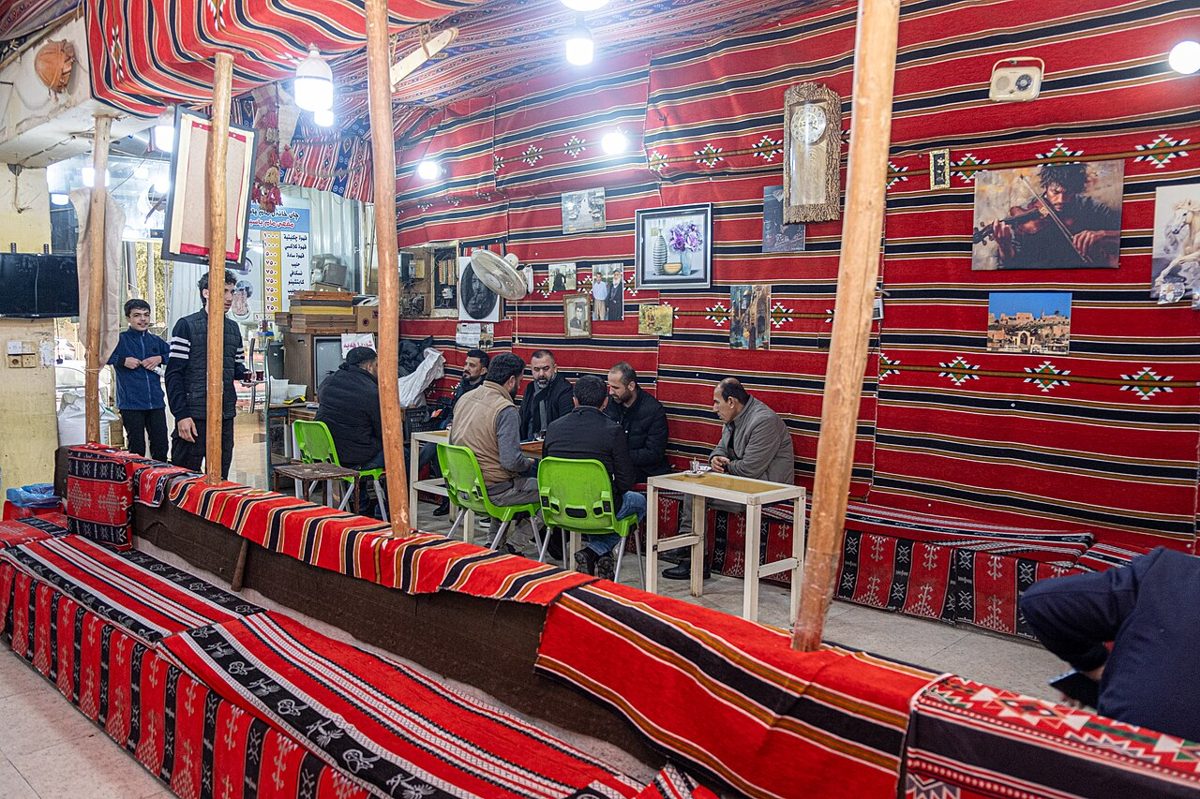
It starts with chai. Tea appears within minutes of you sitting down anywhere — a shop, an office, a stranger’s living room — served scalding, sweet and dark in a little tulip-shaped glass called an istikan. Accepting it is part of the ritual; declining outright can feel like a small rejection. If you genuinely can’t, decline gently with a hand on your heart and a smile. The teahouse (chai khana) is the living room of public life, and being invited to one is being invited in. There’s much more on tea, coffee and food in our Iraqi food guide.

The refusal ritual: how to say no (and yes) gracefully
This is the subtlest and most useful thing in this whole guide. Iraqi hospitality runs on a polite dance of insistence and modest refusal. Your host will press food and tea on you, sometimes forcefully; the expected response is a light initial decline before accepting — refusing once or twice is courteous, not rude, on both sides. So:
- When offered food or a third helping you actually want, a soft “no, no, I couldn’t” followed by accepting is exactly right.
- When you genuinely need to decline, do it warmly and repeatedly, hand over heart: “It’s wonderful, thank you, I’m completely full — you’ve been so generous.” Leaving a little food on your plate signals you’re satisfied; cleaning it spotless can be read as “still hungry, please refill.”
- If you’re invited to a home, bring a small gift (see below), praise the cooking sincerely, and don’t be surprised to be sent home with leftovers.
One specific trap: don’t gush over your host’s possessions. If you admire a portable object — a trinket, a scarf, a piece of jewelry — too warmly, a generous Iraqi may insist on giving it to you, and then you’re locked in an awkward standoff. Compliment the home in general terms instead. The same generosity drives the fight over the bill in restaurants: your host will almost always try to pay, and “letting” them is often the respectful move. Offer once or twice, then thank them graciously; you can reciprocate another time.
Other home-visit basics: you’ll often remove your shoes at the door (follow your host’s lead), socializing can be gender-separated in more traditional households (men and women in different rooms — go with it), and goodbyes are long and layered. Don’t rush the exit.
Eating together: table manners
Iraqi meals are generous, communal and often eaten from shared platters, sometimes seated on the floor around a spread. The etiquette is intuitive once you know the core rule.
- Use your right hand to eat, especially when eating with bread or from a communal dish. The left hand is traditionally considered unclean, so keep it off the food. (More on this below — it’s the single most important gesture rule in the country.)
- Wash your hands before and after; you’ll often be offered the means to.
- If you’re seated on the floor, don’t point the soles of your feet at the food or at other people — tuck them behind you or sit cross-legged.
- Wait for the host to invite you to start, and for elders to be served or begin first.
- Compliment the food — enthusiasm is the highest thanks — and accept at least one round of seconds; refusing all seconds can read as not liking it.
- Bread is close to sacred; don’t throw it, waste it, or put it on the floor.
If a family invites you to eat, say yes — it’s where the best moments of any Iraq trip happen, and the food is extraordinary. (Our food guide covers what you’ll actually be served, from masgouf to dolma to the breakfast worth setting an alarm for.)
Gifts: what to bring to an Iraqi home
If you’re hosted — and you may well be, even by people you’ve just met — turning up with a small gift is gracious and appreciated. You don’t need anything lavish; thoughtfulness is the point.
- Safe, welcome choices: good sweets or pastries, a box of quality chocolates, a tray of baklava or fruit, or something representative of your home country. Sweets are almost always a hit.
- Bring something for the kids if the family has children — it’s noticed and loved.
- Give and receive with the right hand (or both hands); it’s polite not to open a gift immediately in front of the giver.
- Avoid alcohol as a gift unless you know for certain your hosts drink (realistic only in Kurdistan or with very secular friends). Also avoid anything depicting pork or dogs, or imagery that could read as risqué.
- The gender nuance: if you’re a man giving a gift to a woman in a conservative setting, frame it as being from your wife, mother or sister to keep it clearly innocent.
Body language and gestures: the quiet rules
Iraqis communicate a lot without words, and a few gestures carry weight you might not expect. None of this is hard; it’s just worth a glance before you go.
- The right-hand rule (the big one): eat, give, receive, wave and gesture with your right hand. The left is considered unclean for these by more observant Iraqis, so offering money, food or a handshake with it can quietly offend. If you’re left-handed, just be conscious in food and greeting situations.
- The thumbs-up: among younger, urban Iraqis it now means “good,” as in the West — but older and more traditional people can still read it as crude. I use a nod or “zayn” (good) instead to be safe.
- Feet: don’t point your soles at people, food or anyone praying, and don’t prop your feet on furniture. Showing the bottom of the foot is disrespectful across the Arab world.
- Beckoning: call someone over with your palm facing down, fingers waving toward you — not the palm-up, single-finger “come here” used in the West, which is rude here.
- Pointing at people with the index finger is impolite; gesture with an open hand.
- The “wait” gesture: fingers and thumb pinched together, pointing up and bobbing slightly, means “wait” or “slow down” — you’ll see it constantly and can use it yourself.
- Personal space and contact between the same sex is closer than Westerners expect — male friends may hold hands or hug, which is friendship, not anything more. Between opposite sexes in public, keep it reserved: public displays of affection are frowned upon, so save the hand-holding and kissing for private even if you’re a couple.
- Eye contact is normal and a sign of sincerity between the same gender; men should soften it with women to avoid seeming forward.
What to wear in Iraq: the dress code, region by region
Dress is where visitors worry most, and where the regional differences are sharpest, so let’s be specific. The guiding principle everywhere is modesty: loose-ish clothing that covers shoulders, chest and knees, in muted rather than flashy styles. Beyond that, it genuinely depends on where you are. Here’s the breakdown I’d give anyone packing.

| Where | Women | Men |
|---|---|---|
| Iraqi Kurdistan (Erbil, Suli, Duhok) | Relaxed. No headscarf needed. Jeans, long skirts, ¾ or short sleeves all fine; just avoid very short or very tight. Locals dress fashionably. | Jeans/trousers and a shirt. Shorts are uncommon but tolerated in tourist spots. |
| Baghdad & central Iraq | Modest: trousers or long skirt, sleeves to the elbow or longer, loose top. No headscarf required in the street, but carry a scarf for mosques. | Long trousers and a shirt. Skip shorts and sleeveless tops in the city. |
| Basra & the south | More conservative. Long, loose clothing; many local women wear the black abaya. Cover arms fully; keep a scarf handy. | Long trousers, shirt with sleeves. Dress a touch more formally than up north. |
| Najaf, Karbala & shrines | Strict. Headscarf always; an abaya to enter shrines (often provided). During major religious holidays, an abaya may be required to enter the city itself. | Long trousers and sleeves; no shorts. Dress respectfully and plainly. |
A few things worth underlining. First, a headscarf is not legally required for foreign women in Iraq — you do not have to cover your hair to walk around Baghdad or Erbil, contrary to what some older guides imply. You cover it for mosques and shrines, and many travelers choose to in the conservative south to blend in, but in daily life it’s your call. Second, always pack a large, light scarf regardless of gender plans — it’s the single most useful item, instantly turning a street outfit into shrine-appropriate dress and doubling as sun protection. Third, the abaya (the loose black overgarment) for the holy cities is usually available to borrow or buy at shrine gates, so you don’t need to travel in one.
Holy-city and mosque specifics for women
At the major Shia shrines in Najaf and Karbala, the entry routine for women is more involved than a simple scarf: you’ll go through a separate women’s entrance, may be patted down by female attendants in black abayas, and are expected to have every strand of hair covered and to wear the abaya so no street clothing shows. Practical notes from travelers who’ve done it: wear socks (shoes come off), and skip nail polish and heavy makeup, which can draw objections. It sounds intense; in practice the attendants are brisk and kind, and being inside one of these shrines during prayers is unforgettable. Our pilgrimage guide walks through the holy cities in detail.
The one unusual rule: no blue at Lalish

If you visit Lalish, the sacred Yazidi valley in the northern hills, there are a couple of customs found nowhere else in Iraq. You enter barefoot — shoes come off at the edge of the holy area, and Yazidis walk the site without them — and you must not step on the thresholds of doorways, which are considered sacred. The famous one: avoid wearing blue. The color is traditionally considered taboo at Lalish (explanations vary, but the custom is real and respected), so leave the blue jeans and shirts for another day. Dress modestly, ask before photographing people or rituals, and follow your guide’s lead — it’s one of the most atmospheric places in the country and worth the small effort to get right. More on the region in our Iraqi Kurdistan guide.
Ramadan, Ashura and Eid: the religious calendar and how to behave
Iraq’s religious calendar will shape your trip if you visit at the wrong — or right — moment, and the etiquette around these periods is something most guides skip. Check the dates before you book; our best time to visit Iraq guide lays out the year month by month.
Ramadan: more than a courtesy — it’s the law
During the holy month of Ramadan, Muslims fast from dawn to sunset, and this is the one piece of etiquette with legal teeth. Eating, drinking or smoking in public during daylight is not just impolite in Iraq — it’s prohibited, and the Interior Ministry has explicitly stated the rule applies to visitors and foreign residents, not only citizens, with penalties under the penal code. So during Ramadan daytime: don’t eat, drink (even water), smoke or chew gum in public, in the street, or in a car where you can be seen. Eat in your hotel room or in restaurants that screen a section for non-fasters.
Beyond the rule, Ramadan changes the rhythm: many restaurants and cafés close during the day and reopen spectacularly at sunset for iftar, the fast-breaking meal, which is a genuinely beautiful, communal thing to witness (and be invited to). Days are sleepy and short-houred; nights are lively. My honest take: traveling during Ramadan is doable and can be magical for the evenings, but logistics get harder and the holy cities get intense — if it’s your first trip and you want easy sightseeing, consider going outside it.

Muharram and Ashura: mourning, and how to be present for it
This is the one to understand before you stumble into it. During the month of Muharram, culminating in Ashura, Shia Iraqis commemorate the martyrdom of Imam Husayn at Karbala in 680 CE — and it is a period of deep, public mourning, not celebration. You’ll see people dressed in black, black flags and banners everywhere, processions (mawkib) with rhythmic chest-beating (latmiya), passion plays, and free food and drink given out as charity (nazri). Some men perform more intense acts of self-mortification. Karbala and Najaf swell with millions, especially at Arbaeen forty days later — one of the largest gatherings on earth.
How to behave if you’re there: dress modestly and in dark colors, be quiet and respectful, accept the food and tea pressed on you (refusing charity is awkward), and ask before photographing mourners — this is raw grief and devotion, not a spectacle for your feed. Don’t wear bright, festive clothing, and don’t treat processions as entertainment. Handled with respect, witnessing Ashura or Arbaeen is one of the most powerful cultural experiences Iraq offers; our pilgrimage guide covers the timing and logistics.
Eid and Newroz: the celebrations

The mood flips for the two Eids — Eid al-Fitr (after Ramadan) and Eid al-Adha — which are joyful family festivals of new clothes, visiting, sweets and gifts for children. If you’re hosted during Eid, bring sweets and small gifts for the kids. One honest heads-up: celebratory gunfire still happens in some areas during Eid and at weddings — those bullets come down somewhere, so if you hear it, head indoors rather than out to look.
Up north, the Kurdish new year, Newroz (around March 20–21), is the region’s biggest celebration — bonfires, fireworks, picnics, traditional dress and dancing, with the spectacular torch-lit mountainside at Akre drawing huge crowds. It’s colorful, welcoming and a brilliant time to be in Kurdistan. Wear something bright for once; this is a party, not a solemn occasion.
Gender and interaction: norms for men and women
Iraq is more gender-segregated than most Western travelers are used to, and a little awareness here prevents the most common missteps — for travelers of any gender.
For male travelers: interact with local men freely and warmly, but be reserved and correct with women. Don’t initiate a handshake, prolonged eye contact, or conversation with a woman you don’t know, and absolutely don’t photograph women without clear permission. If a family hosts you, you may find the women stay in a separate space — that’s normal, not a snub. Direct your warmth at the men and the children and you’ll be golden.
For female travelers: Iraq is, by most accounts, safer and more welcoming than its reputation suggests, and solo women do travel here — but it’s a male-dominated public space, so expect to interact mostly with men, to field constant friendly questions about your marital status and children, and to draw curiosity. A few field-tested tactics from women who’ve traveled here: it can be easier to say you’re married (a ring helps deflect attention), to keep a scarf handy, and to be a bit more reserved than you might be at home. Foreign women sometimes get a kind of “guest” status that opens doors local women don’t have — invitations to all-male teahouses, for instance. The flip side is unwanted attention or selfie requests that aren’t always innocent; a firm, loud “no” works, and bystanders will usually back you up. Our honest safety guide has a fuller, current rundown for women.
One norm that applies to everyone: the LGBTQ+ reality in Iraq is harsh — same-sex relationships are criminalized and social attitudes are hostile, so queer travelers should be discreet. (Note that the same-sex hand-holding you’ll see among local men is simply friendship and carries no such meaning.)
Photography, checkpoints and social media etiquette
This section can keep you out of genuine trouble, so read it even if you skim the rest.

People: always ask before photographing someone, and take extra care with women — many will decline, and a man photographing a woman without consent is a real offense to local sensibilities. A smile and a gesture toward your camera is enough to ask; respect a “no” instantly. Kids and shopkeepers will often happily ham it up, and you’ll frequently be asked to be in their selfies, which is part of the fun.
The hard rule — security infrastructure: never photograph checkpoints, soldiers, police, military vehicles, government buildings, bridges, the Green Zone, or oil and border infrastructure. Iraq is dotted with checkpoints, and pointing a camera at one can get you detained and your phone searched at best. If in doubt, put the camera away. This matters all over the country and especially around the capital — our Baghdad guide and transport guide cover checkpoint conduct in more depth (short version: carry your passport, be polite and patient, have your hotel’s name ready, and don’t film).
Social media: think before you post identifiable people, especially women, without their consent — and be sensitive about images involving security forces, militia figures or anything politically charged. Iraq has seen periodic crackdowns on “indecent” online content, and what’s harmless to you may not be to the person in the frame. When in doubt, ask, or don’t post their face.
Alcohol in Iraq: the current rules
This is the fact most other culture guides get wrong, because the law changed recently — so let me be precise and date it. Federally, alcohol is now heavily restricted. A 2023 law (Article 14 of the Municipal Revenues Law) banned the import, sale and production of alcohol nationwide, and in November 2024 parliament extended the ban to hotels and social clubs — previously the last legal venues — with reported fines of roughly 10–25 million dinars (about $7,700–$19,000) for violators. Enforcement tightened through 2025, with customs ordered to block alcohol imports.
What that means on the ground in mid-2026, region by region:
- Iraqi Kurdistan: the ban is not enforced here. Alcohol is sold openly and legally in shops, hotels and restaurants in Erbil, Sulaymaniyah and Duhok, which run their own customs. If you want a drink, this is where it’s easy and unremarkable.
- Baghdad and the center: historically sold by Christian-run liquor shops, alcohol has faced closures and pressure but still circulates discreetly; Baghdad airport’s duty-free has continued to sell. Be low-key.
- Najaf, Karbala and the holy cities: effectively dry. Don’t expect, seek or carry alcohol here.
The traveler’s takeaway: don’t build a trip around drinking. If you want a beer or wine, do it in Kurdistan; elsewhere be discreet, never drink in or near religious sites, and read the room. The traditional Iraqi spirit, for what it’s worth, is arak — an anise spirit that clouds with water. For the broader legal-and-safety picture, see our safety guide, and the drinks side of things is in our food guide.
Politics, history and sensitive topics
Iraqis are often remarkably open about their country’s hard recent decades — but let them lead. As a visitor, don’t volunteer opinions on politics, the wars, Saddam Hussein, sectarian (Sunni–Shia) identity, or the role of neighboring powers. These touch real wounds, and almost every family has lost someone. If a local raises them — and many will, with surprising candor — listen more than you talk, express sympathy rather than analysis, and avoid taking sides. “I’m so sorry your country has been through that” goes a long way; a hot take does not.
A few related steers: don’t ask someone whether they’re Sunni or Shia (it can read as loaded); be gentle around the subject of the 2003 invasion if you’re from a coalition country (you’ll usually be welcomed warmly regardless, but tread kindly); and steer clear of criticizing Islam, tribal customs or local leaders. Compliments about Iraqi history, hospitality, food and the kindness of its people, on the other hand, are always welcome and entirely sincere on your part.
Tipping and money etiquette
Tipping (bakhsheesh) is appreciated but modest, and Iraq runs on cash, which shapes the etiquette around money.
- Restaurants: rounding up or leaving 5–10% at a nicer place is generous and welcome; at cheap local spots, just round up. A service charge is rare.
- Taxis and drivers: round the fare up. For a private driver or guide for the day, a tip for good service is kind.
- Hotels: a small note for porters or helpful staff is appreciated, not expected.
- Carry small notes: Iraq is largely a cash economy for foreigners — cards rarely work outside top hotels, and ATMs are unreliable for foreign cards. Keep a stash of small dinar notes for tea, tips and taxis. The full money playbook is in our Iraq travel cost guide.
One graceful note: because hospitality is a point of honor, locals will often try to pay for your tea, your taxi, even your meal. Protest politely, thank them warmly, and reciprocate when you can — accepting generosity with grace is itself good manners here.
Iraqi culture do’s and don’ts: the quick version
Pin this to your mental fridge. It’s everything above, distilled.
| Do | Don’t |
|---|---|
| Greet warmly with “salam”; take your time over it | Don’t offer your hand to the opposite sex first — let them lead |
| Eat, give and receive with your right hand | Don’t use your left hand for food, gifts or greetings |
| Accept tea and food; a light refusal-then-yes is normal | Don’t flatly refuse hospitality, or over-admire a host’s belongings |
| Dress modestly; carry a scarf; cover up for shrines | Don’t wear shorts/sleeveless in cities, or anything tight in the south |
| Ask before photographing people, especially women | Don’t photograph checkpoints, soldiers, police or government sites |
| Respect Ramadan: no public eating/drinking/smoking by day | Don’t eat or drink in public during Ramadan daylight — it’s illegal |
| Be modest and quiet around Ashura/Muharram mourning | Don’t treat mourning processions as a photo-op or spectacle |
| Let locals raise politics, Saddam or sect; offer sympathy | Don’t volunteer opinions on politics, the wars or religion |
| Save alcohol for Kurdistan and be discreet | Don’t drink near religious sites or in the holy cities |
| Remove shoes in homes; bring sweets when invited | Don’t point your feet at people or food, or waste bread |
Iraqi culture and etiquette FAQ
What is Iraqi culture like?
Iraqi culture is warm, deeply hospitable and shaped by Islam, family and a proud Mesopotamian heritage. Daily life revolves around faith, generous hospitality (endless tea and food), and strong family and tribal bonds. It’s conservative by Western standards, especially around dress and gender, but visitors are met with extraordinary kindness and curiosity.
What should I wear in Iraq as a tourist?
Dress modestly: cover shoulders and knees, keep clothing loose-ish and muted. Men wear long trousers and sleeves. Women don’t legally need a headscarf in daily life but should carry one for mosques and shrines, and wear an abaya at the holy cities. Kurdistan is relaxed; Najaf, Karbala and the south are conservative.
Do women have to cover their hair in Iraq?
Not in everyday life — a headscarf isn’t legally required for foreign women in Baghdad, Erbil or most public spaces. You do need to cover your hair to enter mosques and shrines, and many travelers cover up to blend in around the conservative south and holy cities. Always carry a scarf for this reason.
Can you drink alcohol in Iraq?
It’s heavily restricted. A 2023 federal law banned the sale, import and production of alcohol, extended to hotels and clubs in 2024, though enforcement is uneven. Kurdistan (Erbil, Sulaymaniyah, Duhok) sells it openly and legally; in Baghdad it’s discreet and shrinking; the holy cities are dry. Don’t plan a trip around drinking.
What is considered rude in Iraq?
Using your left hand for food or greetings, showing the soles of your feet, photographing people (especially women) or checkpoints without care, eating in public during Ramadan, criticizing Islam, and volunteering opinions on politics or the wars. Refusing hospitality outright, or being overly familiar with the opposite sex, also reads as rude.
How do you greet someone in Iraq?
Say “As-salamu alaikum” (peace be upon you); the reply is “wa alaikum as-salam.” Men shake hands warmly, often touching the heart afterward. With the opposite sex, don’t extend your hand first — wait, and use a hand-on-heart nod instead. In Kurdistan, “Slaw” is the Kurdish hello. Greetings are unhurried and warm.
Is it rude to refuse food or tea in Iraq?
A light, polite refusal before accepting is normal and even expected — it’s part of the hospitality ritual. But flatly refusing all food or tea can disappoint a host, for whom feeding you is a point of pride. If you truly must decline, do it warmly and repeatedly with a hand on your heart, praising their generosity.
What gifts should I bring to an Iraqi home?
Sweets, pastries, baklava, quality chocolates or fruit are all safe and welcome, plus a small gift for any children. Give and receive with the right hand or both hands. Avoid alcohol unless you know your hosts drink, and steer clear of imagery involving pork, dogs or anything risqué.
Can you take photos in Iraq?
Yes, of landscapes, sites and (with permission) people — but never of checkpoints, soldiers, police, military vehicles, government buildings or bridges, which can get you detained. Always ask before photographing locals, and take particular care with women. Be thoughtful about posting identifiable people on social media without their consent.
What is the difference between Iraqi Kurdistan and the rest of Iraq?
Iraqi Kurdistan is a semi-autonomous northern region with its own language (Kurdish), government, checkpoints and visa channel, and a noticeably more relaxed, secular feel — alcohol is legal, dress is freer, and no headscarf is needed. Arab Iraq, especially the south and holy cities, is more conservative and devout. Adjust your behavior as you move between them.
Should I avoid visiting Iraq during Ramadan?
You can visit, but know that eating, drinking and smoking in public during daylight is prohibited for everyone, including visitors, and many places close by day and come alive at night for iftar. It’s atmospheric but logistically harder. First-timers who want easy sightseeing often prefer to travel outside Ramadan; check the dates before booking.
Is Iraq safe to visit right now?
Governments still advise strongly against travel — the US has a Level 4 “Do Not Travel” advisory and the UK FCDO advises against all travel — citing terrorism, kidnapping and regional conflict. Many independent travelers and tour groups do visit, especially Kurdistan and the south, and report warm welcomes, but you must weigh the official guidance honestly. See our regularly updated safety guide.
Final thoughts: respect opens every door
Here’s what I’ve found, trip after trip: the etiquette in this guide isn’t a set of hoops to jump through — it’s the key to the best of Iraq. The traveler who greets warmly, dresses with respect, eats with the right hand, accepts the third glass of tea and knows when to put the camera away is the traveler who gets invited home, handed the prized seat, and shown the country the way Iraqis actually live it. Manners here are met with generosity that can genuinely move you.
So learn a few words, pack a scarf, watch and mirror the people around you, and lead with humility and warmth. You’ll make mistakes — everyone does, and Iraqis are endlessly forgiving of a respectful guest who’s clearly trying. When you’re ready to turn all this into an actual trip, start with our complete Iraq travel guide, sort the practicalities with the visa guide and safety guide, and map your days with our Iraq itinerary planner, and get inspired by the best places to visit in Iraq. Go with an open heart; this is one of the most hospitable places on earth.
Sources & further reading: religious and ethnic demographics via the CIA World Factbook, Pew Research Center and Wikipedia (Religion in Iraq, Demographics of Iraq), reconciled given the lack of a recent religious census; the 2024 national census population figure (~46.1 million) via Iraq’s Ministry of Planning reporting; official-language status (Arabic and Kurdish) via Iraq’s 2005 Constitution, Article 4; the Ramadan public-eating prohibition and its application to foreigners via the U.S. Library of Congress Global Legal Monitor and Iraqi Interior Ministry statements; the alcohol laws — the 2023 Municipal Revenues Law ban, the November 2024 extension to hotels and clubs, reported fines, and the Kurdistan Region’s non-enforcement — via The Washington Post, Middle East Monitor, Shafaq News and Kurdistan24; etiquette, greetings and gesture norms cross-checked against the Cultural Atlas (SBS) and Commisceo Global country guide; dress, holy-city and Lalish customs via Young Pioneer Tours and on-the-ground travel accounts; and current safety/advisory framing via the U.S. State Department (Level 4) and UK FCDO (checked June 2026). Customs vary by region, family and person, and laws — especially around alcohol and Ramadan — change and are enforced unevenly; treat this as a well-researched starting point and watch how the people around you behave.
Photo credits: Chai khana in Kirkuk by Enasiqph (CC BY-SA 4.0); golden shrine domes by Goudarz.memar (CC BY-SA 4.0); reed mudhif guesthouse by Hassan Al-Jarrah (CC BY-SA 4.0); traditional Kurdish dress by Cristo Cardoc (CC BY 4.0); Lalish temple by Luay Qassim Hassan (CC BY-SA 4.0); Ashura in Karbala by Tasnim News Agency (CC BY 4.0); Newroz in Akre by Levi Clancy (CC0); Al-Mutanabbi Street gate by Ayham4002 (CC BY-SA 4.0). All via Wikimedia Commons.
Last updated: June 2026. We keep this guide current — if a custom, rule or detail has shifted on the ground, tell us and we’ll update it.