Last updated: September 2026. Climate normals checked against the published tables for Baghdad, Basra, Erbil and Sulaymaniyah (sources and periods given below); 2026 heat events from Iraqi and international reporting; festival dates for 2027 are projections. Travel advice re-checked on 25 and 26 September 2026 against the FCDO’s Iraq pages and the US State Department’s 29 August 2026 reissue.
Iraq has one climate in the brochures and at least three on the ground. Basra, near the Gulf, is one of the hottest cities on earth in summer. Baghdad, in the middle of the plain, is a hot desert city with cool, fairly damp winters. Sulaymaniyah and the Kurdistan Region’s mountains get proper winter rain and snow, and in summer they are where Iraqis go to escape the heat. Plan by the averages for one city and you can be off by ten degrees in another.
Iraq weather by month follows one simple pattern with big regional differences: mild, sometimes wet winters from December to February, short and pleasant springs (March and April) and autumns (October and November), and extreme dry heat from May to September, when Baghdad averages highs of about 43°C and Basra about 47°C. For how that translates into trip timing, pair this page with our guide to the best time to visit Iraq.
Below: the three climates, a month-by-month temperature and rainfall table for four cities, why the published figures disagree, what each month is actually like on the ground (including festivals, dust storms and floods), the best months for each kind of trip, and what we could not pin down.
The short answer
| Months | What to expect | Good for |
|---|---|---|
| December–February | Mild days, cold nights, rain; snow in the mountains | Baghdad, the south, archaeological sites |
| March–April | Warm, green, the best weather of the year; dust storms possible | Almost everything; Newroz on 21 March |
| May | Heat building fast in the plains | Kurdistan’s mountains; early mornings elsewhere |
| June–August | Extreme heat: 40–47°C average highs in the plains, 50°C days common | Mountain resorts only |
| September | Still very hot in the plains | The mountains; late in the month, the north |
| October–November | Warm to mild, first rains | Almost everything again |
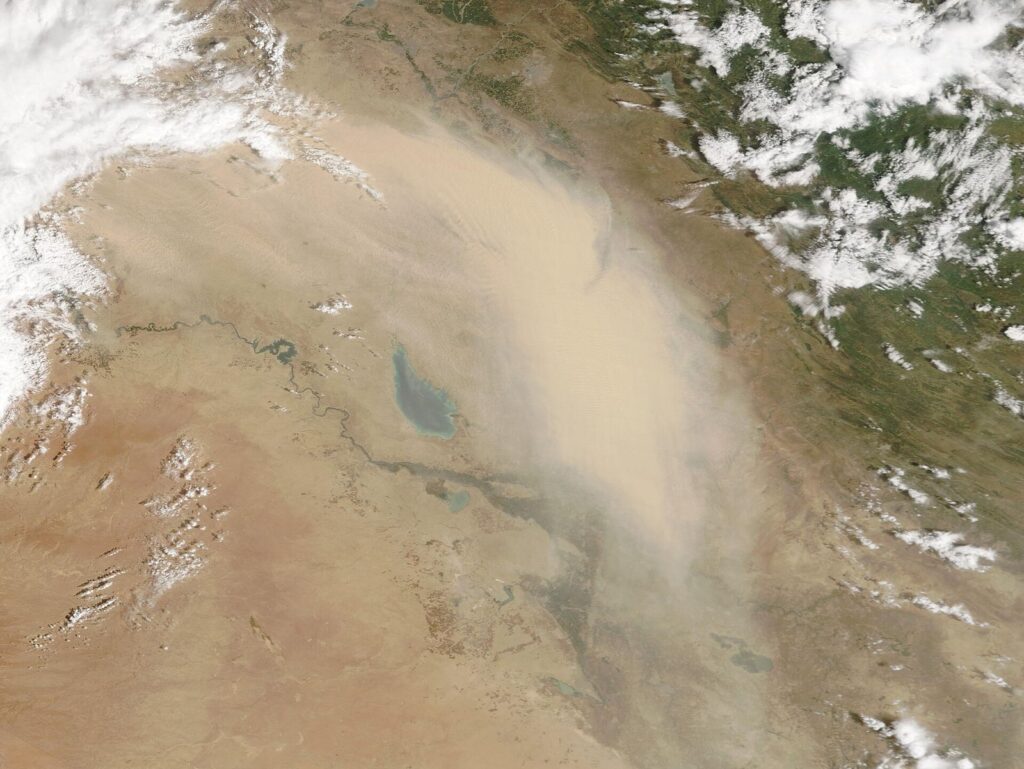
Iraq’s three climates
- The south (Basra, Nasiriyah, the marshes). A hot desert climate. Basra’s average July and August highs are about 47°C, with rain only between October and May, about 131 mm a year. Near the Gulf, humid days can push humidity above 90% even though the monthly averages look dry.
- The centre (Baghdad, Babylon, Karbala, Najaf). Also hot desert: highs around 43°C in July and August, about 150 mm of rain a year falling between November and April, and winters cool enough to need a jacket at night.
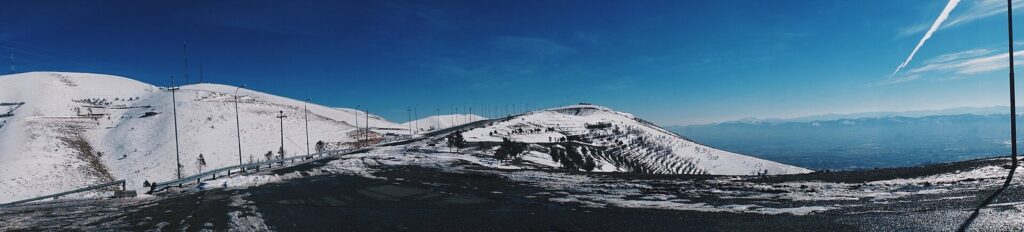
- The north and the Kurdistan Region (Erbil, Duhok, Sulaymaniyah). A hot-summer Mediterranean climate: summers still hot in the cities (Erbil about 42°C in July and August), but winters are properly wet, with about 420 mm a year in Erbil and 722 mm in Sulaymaniyah, and snow on the mountains.
Iraq temperature by month: the numbers
These are average daily maximum and minimum temperatures, in °C. The sources and periods differ from city to city, which the next section explains; treat them as a guide to the pattern, not a forecast.
| Month | Baghdad | Basra | Erbil | Sulaymaniyah |
|---|---|---|---|---|
| January | 15.6 / 3.9 | 18.7 / 8.3 | 13.2 / 2.9 | 11.2 / −0.6 |
| February | 17.8 / 5.6 | 21.7 / 10.1 | 15.4 / 4.4 | 13.6 / 0.6 |
| March | 21.7 / 8.9 | 26.8 / 14.3 | 18.9 / 7.7 | 17.6 / 4.1 |
| April | 29.4 / 13.9 | 33.4 / 20.1 | 25.5 / 11.4 | 23.6 / 7.6 |
| May | 36.1 / 19.4 | 40.3 / 26.2 | 32.6 / 17.3 | 30.4 / 12.7 |
| June | 40.6 / 22.8 | 45.0 / 29.1 | 38.9 / 22.9 | 37.6 / 18.1 |
| July | 43.3 / 24.4 | 47.0 / 30.7 | 42.4 / 26.5 | 41.3 / 22.1 |
| August | 43.3 / 24.4 | 47.2 / 29.9 | 42.5 / 25.9 | 39.2 / 21.3 |
| September | 40.0 / 21.1 | 43.3 / 26.3 | 37.6 / 21.3 | 35.4 / 16.1 |
| October | 33.3 / 16.1 | 37.2 / 21.7 | 30.1 / 16.0 | 28.6 / 11.0 |
| November | 25.0 / 10.6 | 27.0 / 14.4 | 21.4 / 9.5 | 19.1 / 5.8 |
| December | 17.8 / 5.6 | 20.5 / 9.6 | 15.4 / 5.1 | 13.3 / 1.8 |
Rainfall by month
Average rainfall in millimetres. Erbil’s figures were published in inches and converted here.
| Month | Baghdad | Basra | Erbil | Sulaymaniyah |
|---|---|---|---|---|
| January | 23 | 27 | 73 | 107 |
| February | 25 | 18 | 51 | 119 |
| March | 28 | 19 | 81 | 129 |
| April | 13 | 13 | 43 | 65 |
| May | 3 | 4 | 18 | 23 |
| June–September | about 2 a month | 0 | 0–1 | 0–2 |
| October | 3 | 7 | 20 | 41 |
| November | 20 | 19 | 49 | 109 |
| December | 25 | 25 | 85 | 127 |
| Year | 148 | 131 | 420 | 722 |
Why do Iraq’s weather figures disagree?
If you compare websites you will find different numbers for the same city, sometimes by several degrees. Mostly that is because they measure different periods, use different stations, or quietly use modelled data rather than a weather service’s records. Here is what we found.
| Source | Figure | What it actually measures |
|---|---|---|
| English Wikipedia’s Baghdad table (as in our research files) | July average high 44.0°C; 156 mm rain a year | One set of long-run station averages |
| German Wikipedia’s Baghdad table (Stadtklima, wetterkontor) | July average high 43.3°C; 148 mm a year | A different compilation and period; used in our table above |
| Basra table (1991–2020, WMO and others) | Record 53.9°C on 22 July 2016 | Iraq’s highest recorded temperature; we have seen it described as confirmed but not formally verified by the WMO |
| Erbil table (2012–2023) | July high 42.4°C; about 420 mm a year | Surrounding text cites Climate-Data.org, a modelled product, not a national weather service |
| Erbil article text vs table | “January is the wettest month” vs December and March wetter in the table | Different periods; trust the table’s pattern, not the sentence |
| Sulaymaniyah text vs table | Snow “every year or two” vs about 4 snowy days a year | The 2012–2023 table shows snow in most winters |
Two other things skew the averages. Iraq’s summers have been hotter in recent years than the long-run figures suggest: 50°C days, once exceptional, now arrive most summers. And an average hides the extremes that actually shape a trip: a single dust storm or flash flood matters more than the monthly mean.
Iraq weather by month: what each month is like
January
The coldest month everywhere. Baghdad averages about 16°C by day and 4°C at night, Basra is milder at 19°C, and Sulaymaniyah drops below freezing at night with a couple of snowy days on average. Rain comes in spells; in the Kurdistan Region mountain roads can close with snow. It is a good month for Baghdad’s museums and markets and for the southern archaeological sites, where the sun is pleasant rather than punishing. Pack layers and a waterproof.
February
Still cool, a little wetter in the north (Sulaymaniyah averages nearly 120 mm), and often clear and crisp in the south. In 2027 Ramadan is expected to begin around 8 or 9 February, depending on the moon, which changes the rhythm of the day: many restaurants close in daylight hours, eating in public during the fast is frowned upon, and evenings come alive after the fast is broken. The Islamic calendar moves about 11 days earlier each year, so check the dates for your year.
March
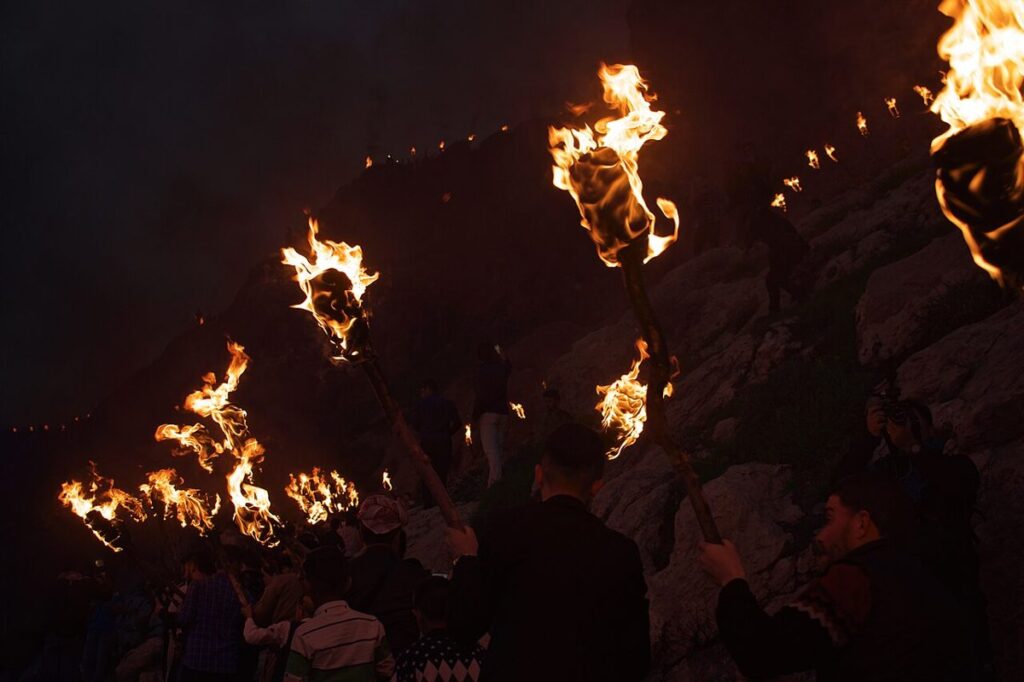
Spring arrives, and with it the best of Iraq’s weather. Baghdad’s highs climb to about 22°C, the Kurdistan Region turns green, and wild flowers cover the hills. Newroz, the Kurdish new year, falls on 21 March, with a three-day holiday in the Kurdistan Region from 21 to 23 March and torchlit processions up the mountain at Akre. Eid al-Fitr, the end of Ramadan, is expected in the second week of March 2027. March is the wettest month in Sulaymaniyah, and the marshes of the south begin their spring high water. Dust storms become possible from now on.
April
For many people the single best month. Erbil averages about 26°C by day, Baghdad 29°C, and even Basra a manageable 33°C. The mountains are opening up for walking, the marshes are near their fullest, and the heat is not yet a daily enemy. The catch is dust: the FCDO notes that sand and dust storms are common in spring and summer, and they can close airports and wreck visibility for a day or two. Build a spare day into any itinerary.
May
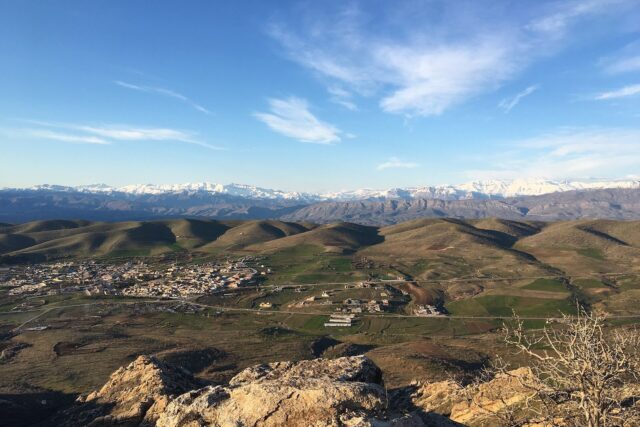
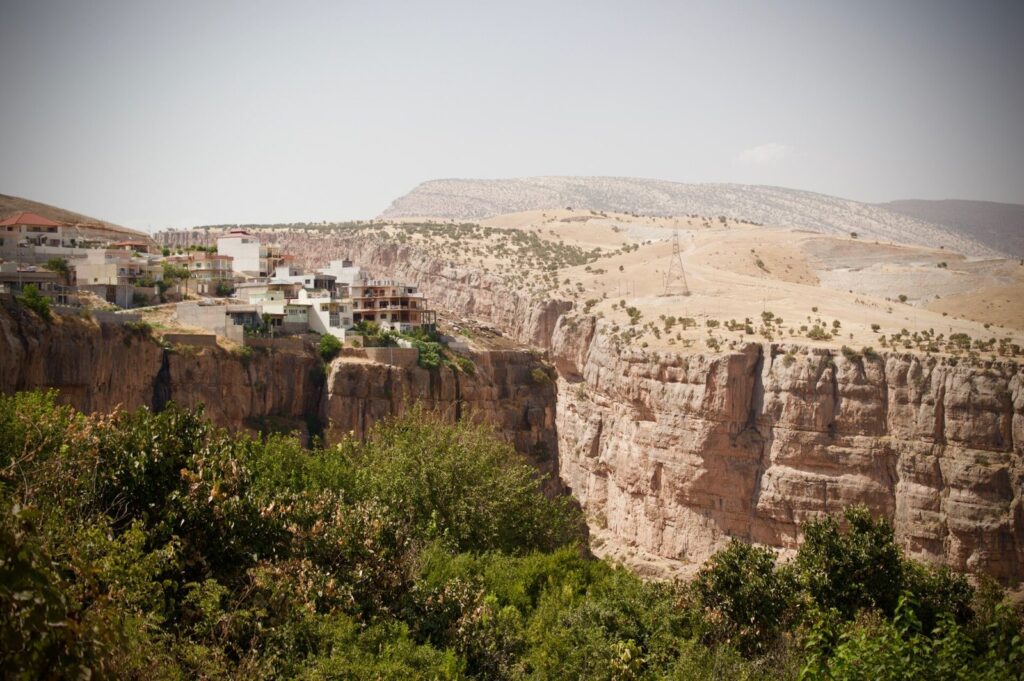
The heat arrives fast. Baghdad averages 36°C, Basra 40°C, and by the end of the month outdoor sightseeing in the plains is an early-morning activity. The last rains fall in the north. The Kurdistan Region’s mountains, around Rawanduz and beyond, are at their best: green, cool enough for hiking, and quiet before the summer crowds from the south.
June
Summer proper. Baghdad averages about 41°C, Basra 45°C, and the 50°C days usually start from mid-June. Rain is effectively nil across the country until autumn. In 2027 Ashura, the Shia day of mourning for Imam Husayn, is expected around 15 June; it brings large processions in Karbala and elsewhere, and road closures. If you travel now, the mountains are the only comfortable option.
July
The hottest month in most of the country. Average highs are about 43°C in Baghdad and 47°C in Basra, but the averages understate it. Iraq’s record, 53.9°C, was set in Basra on 22 July 2016; Baghdad’s record of 51.8°C came on 28 July 2020; and on 28 July 2025 Basra’s airport was the hottest place on earth at 51.8°C, with Iraqi cities taking 11 of the world’s top 15 spots that day. Daily life moves into the evening. The high mountain valleys are the escape: Balakayati, near the Iranian border, “rarely exceeds 30°C” in summer according to Kurdistan24, and drew more than 30,000 visitors in July 2026. Arbaeen in 2027 is projected for around 24 or 25 July.
August
Just as hot, and Basra’s average high peaks at about 47°C. August 2026 was brutal: Basra reached 51°C and Erbil 49°C on 5 August, and four governorates were still at 50°C on 15 August. Arbaeen, the vast Shia pilgrimage to Karbala, fell on 4 August 2026, when more than 22 million people entered the city, and Karbala and Najaf recorded 49°C two days earlier; WHO Iraq issued a heat-health advisory ahead of it. Unless you are travelling for the pilgrimage, avoid the plains entirely. See our guide to Arbaeen if you are.
September
The heat eases only slowly: Baghdad still averages about 40°C and Basra 43°C, and 50°C days are possible early in the month. The Kurdistan Region’s mountains are pleasant again, and by the end of the month Erbil’s evenings are comfortable. It is still dry everywhere. Archaeological sites in the south remain an early-morning proposition.
October
Autumn, and the second good window of the year. Baghdad averages about 33°C by day and 16°C at night, Erbil 30°C, and the first rains return to the north late in the month. It is the start of the season for Babylon, Ur, Uruk and the other open-air sites, and of the excavation season for many archaeological teams. Dust is less of a problem than in spring.
November
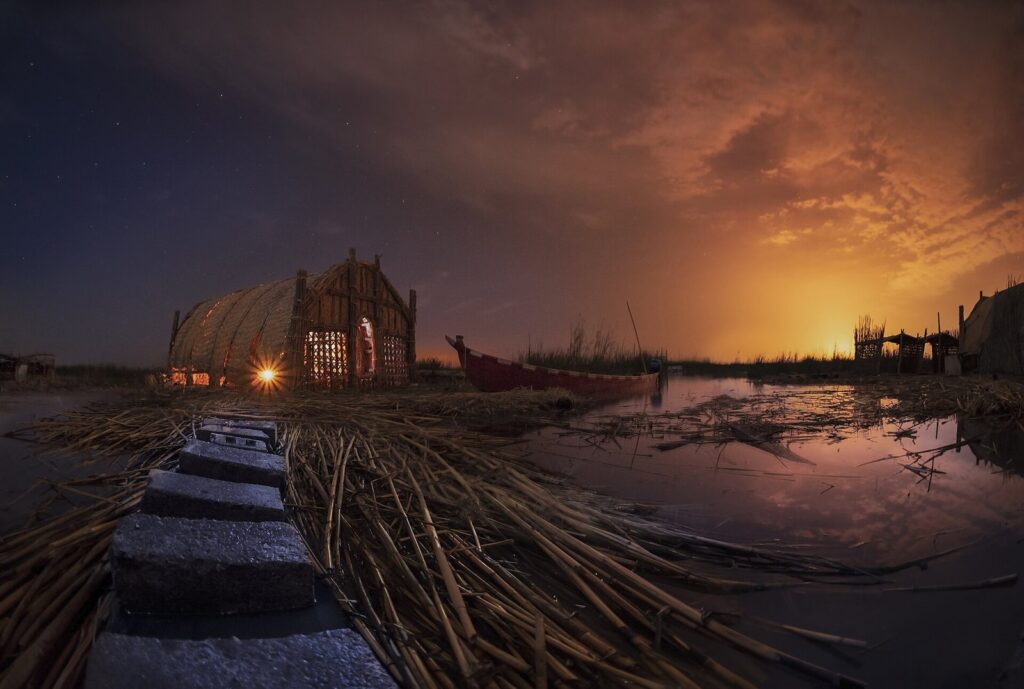
Perhaps the most underrated month. Days are warm (Baghdad about 25°C, Basra 27°C), nights cool, and the rain is back in the north, where Sulaymaniyah averages over 100 mm. The marshes have their second good season from November into December. The FCDO warns that flash floods are common between November and March, so keep an eye on forecasts if you are driving in the hills or through wadis.
December
Winter returns. Baghdad averages about 18°C by day and 6°C at night, and December is the wettest month in Erbil, with about 85 mm. Heavy downpours can be dangerous: flash floods in Erbil on 17 December 2021 killed 14 people. Snow comes back to the mountains, and Christmas is celebrated in Erbil’s Christian district of Ankawa and in the churches of the Nineveh Plains. For Baghdad and the south, it is another comfortable month for sightseeing.
How Iraq lives with the heat
The monthly tables tell you how hot it gets; they don’t tell you how the country adapts, and that matters as much to a visitor. From late spring to early autumn, Iraqi life shifts into the evening. In Baghdad the daytime is close to uninhabitable in high summer, markets effectively shut in the afternoon, and restaurants and cafés move tables outdoors once the sun goes down, when families come out to eat, walk the riverbanks and socialise late into the night. Plan the same way: sightseeing early, a long break through the middle of the day, and evenings out.
The heat also strains the power grid. Iraq’s electricity supply struggles to meet summer demand, and heatwaves bring cuts; during the Arbaeen heat in early August 2026, Karbala lost more than 6,000 MW of supply when part of the grid failed. Most hotels and many homes run generators, but it is worth asking a hotel whether it has reliable backup power and air-conditioning before you book for a summer stay. Sunshine is relentless too: Baghdad gets about six hours of sun a day in December and January and more than eleven in July and August.
Water, drought and the marshes
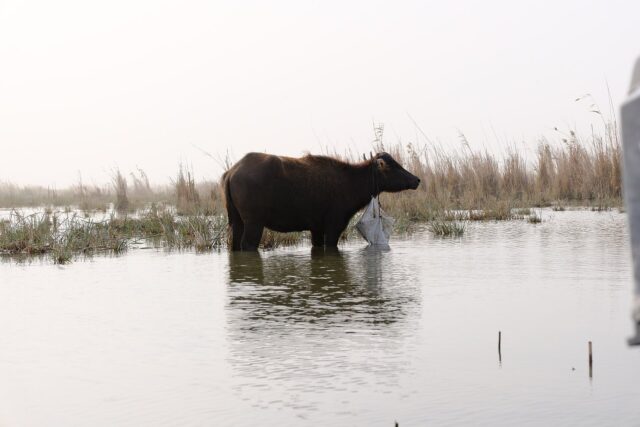
Weather in Iraq is increasingly a story about water. Rainfall is low and unreliable, the rivers depend on upstream dams in Turkey and Iran, and recent years have brought severe drought. The southern marshes show it most clearly: in 2026 between 32% and 36% of the marshland was under water, against no more than 8% over the previous five years, a welcome reprieve rather than a recovery. In the Kurdistan Region, reservoirs such as Dukan fell to very low levels in the dry summer of 2025.
For travellers, that means two things. The marshes are best visited in spring, when the water is highest, and conditions can vary sharply from one year to the next, so ask a local guide about current water levels before you go. And the summer heat, combined with low river levels and power cuts, makes July and August harder going in the south than the averages alone suggest.
When is the best time to visit Iraq for the weather?
It depends on where you are going and why. This table is the short version.
| Trip | Best months | Avoid |
|---|---|---|
| Baghdad and the ancient sites (Babylon, Ur, Uruk) | November to March | May to September |
| Kurdistan Region cities (Erbil, Sulaymaniyah, Duhok) | March to May, late September to November | July and August in the cities |
| Mountains and hiking | April to June, September and October | Mid-winter, when high roads can close |
| A summer escape | July and August in high valleys such as Balakayati or Korek | The plains |
| The southern marshes | March to May, November and December | High summer |
| Pilgrimage | Set by the Islamic calendar, not the weather | Arbaeen and Ashura bring crowds and road closures |
For walking routes and conditions in the mountains, see our guide to hiking in Kurdistan; for the marshes and other landscapes, our guide to nature in Iraq.
What should you pack for Iraq’s weather?
- Summer. Loose, light, long clothing (it protects you from the sun and suits local norms), a wide hat, high-factor sun cream, electrolytes and a refillable bottle. Plan sightseeing for before 10:00 and after sunset.
- Winter. A warm jacket for nights, a waterproof, and proper layers for the mountains, where it freezes.
- Spring and autumn. Layers, and a scarf or buff for dust storms; people with asthma should carry their inhaler.
- Health. Heat illness is the most common weather risk, and in 2026 Iraq also had an outbreak of Crimean-Congo haemorrhagic fever, spread by ticks and contact with livestock, mostly in rural areas in the warmer months. Our pages on health and vaccinations for Iraq and the Iraq packing list go further.
Weather is not the only thing to check
Whatever the month, the travel advice applies. As of 25 September 2026 the FCDO advises against all travel to parts of Iraq, including Nineveh, Salah al-Din, Kirkuk and most of Anbar and Diyala, and against all but essential travel to the rest, including Baghdad, the south and the Kurdistan Region; its Iraq travel advice also covers dust storms and flash floods. The US State Department rates all of Iraq Level 4, Do Not Travel (reissued 29 August 2026). Travelling against FCDO advice can invalidate your insurance. Our pages on whether Iraq is safe and on travel insurance for Iraq explain what that means in practice.
What we could not confirm
- Official Iraqi weather-service normals. We could not find published monthly normals from Iraq’s meteorological authority for these cities; the tables above come from Wikipedia compilations with the sources named.
- The same period for every city. Basra’s figures are 1991–2020, Erbil’s and Sulaymaniyah’s 2012–2023, and Baghdad’s source gives no period, so the columns are not strictly comparable.
- The 53.9°C record. It is widely reported as Iraq’s highest temperature, but we have not seen it formally verified by the World Meteorological Organization.
- Festival dates for 2027. Ramadan, Eid al-Fitr, Ashura and Arbaeen dates are projections that depend on moon sightings, and Iraq usually announces holidays only days in advance.
- This winter’s conditions. No seasonal forecast for winter 2026–27 was available to us; check a forecast the week before you travel.
Frequently asked questions
What is the hottest month in Iraq?
July and August, with little to choose between them. Baghdad averages highs of about 43°C in both, and Basra about 47°C, with August slightly hotter there. Days of 50°C and above are now common from mid-June to mid-August and sometimes later: four governorates were still at 50°C on 15 August 2026.
What is the coldest month in Iraq?
January. Baghdad averages about 16°C by day and 4°C at night, while Sulaymaniyah’s average night-time low is just below freezing and the mountains get snow. Basra is the mildest major city in winter, at about 19°C by day and 8°C at night.
Does it snow in Iraq?
Yes, in the north. Sulaymaniyah averages about four snowy days a year, mostly in January and February, and the mountains of the Kurdistan Region get regular snow in winter; at resorts such as Korek, winter temperatures drop to about −2°C. Snow in Baghdad is extremely rare, and it essentially never falls in the south.
When does it rain in Iraq?
Between October and May, with most rain from November to April. The north is far wetter: Sulaymaniyah gets about 722 mm a year and Erbil about 420 mm, against roughly 150 mm in Baghdad and 131 mm in Basra. From June to September it barely rains anywhere, and heavy winter downpours can cause flash floods.
What is the best month to visit Iraq?
April and October are the safest bets for weather across the whole country, with March and November close behind. For Baghdad and the southern archaeological sites, anything from November to March works. For the Kurdistan Region’s mountains, late spring and early autumn are best, and the high valleys are a genuine escape in July and August.
When are dust storms most likely in Iraq?
In spring and summer, according to the FCDO, which warns that they can cut visibility, make driving difficult and disrupt flights. They are driven by strong winds over dry ground, and several can hit in a single season. Build a spare day into any itinerary between March and August, and carry a scarf or mask.
How humid is Iraq?
Mostly very dry. Baghdad’s average relative humidity falls to about 23% in summer and rises to about 70% in winter. Basra is the exception: its averages look dry, but close to the Gulf humid days can push humidity above 90%, which makes its summer heat even harder to bear.
Final thoughts
Iraq weather by month rewards people who plan by region rather than by country. The same week in April can be ideal in Baghdad, green and blustery in Sulaymaniyah and already hot in Basra; the same week in July is dangerous in the plains and delightful in a mountain valley near the Iranian border. The numbers above are the starting point, but the useful question is always “where, exactly, and doing what?”
The other lesson from recent summers is to treat the long-run averages as optimistic. The 50°C days that used to make headlines now come every year, and they come earlier and stay later. If your dates are flexible, the spring and autumn windows are shorter than they look on paper, so aim for their middle rather than their edges.
From here, read our full guide to when to visit Iraq, see how the seasons fit a route in our Iraq itinerary guide, and start planning the Baghdad end with our Baghdad city guide.
Photo credits
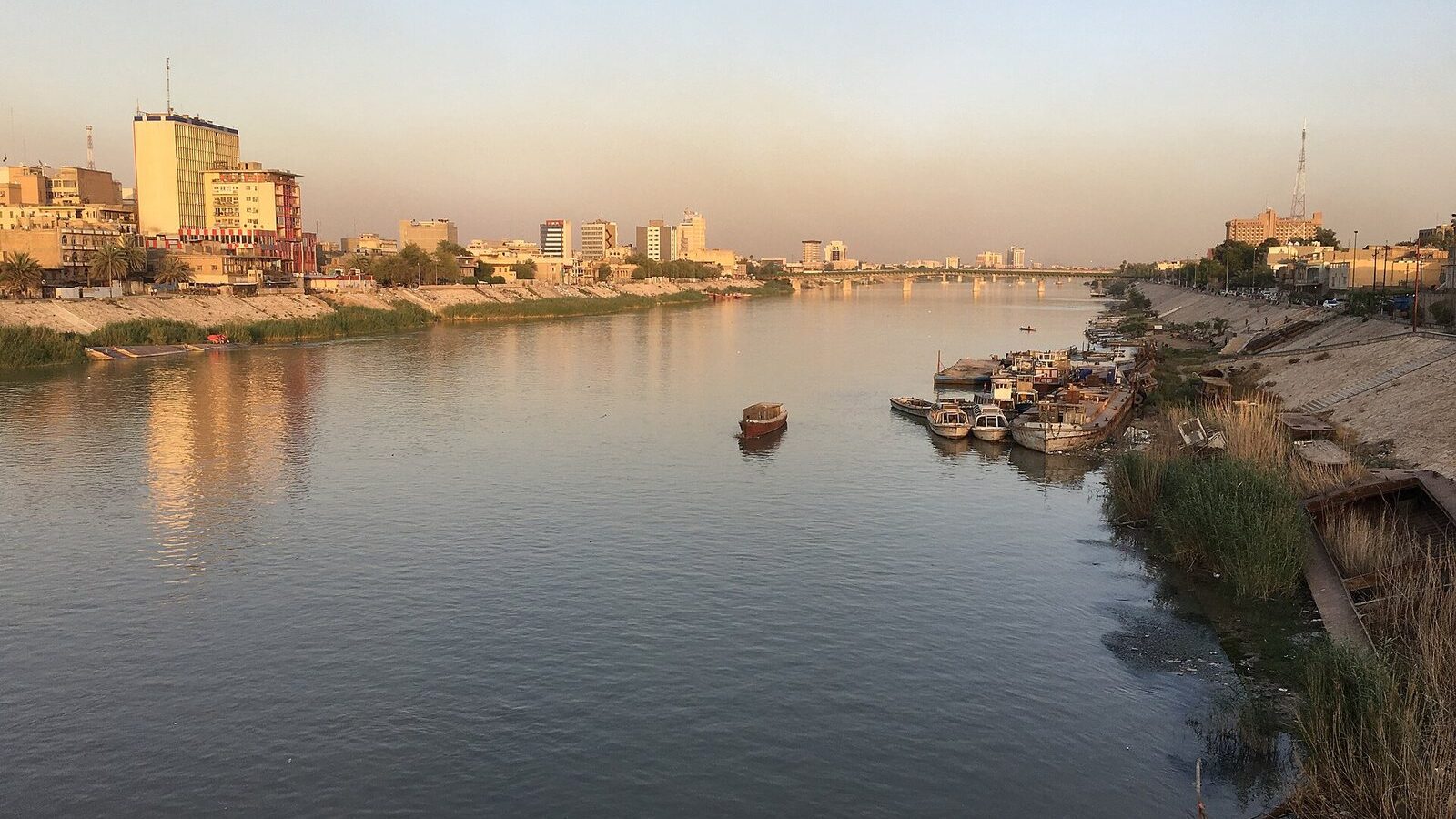
Tigris at sunset, Baghdad (featured image): Synaps commons, Wikimedia Commons (CC BY-SA 4.0). Dust storm over Iraq, MODIS, 2025: MODIS Land Rapid Response Team, NASA GSFC, Wikimedia Commons (public domain). Newroz torches at Akre: Levi Clancy, Wikimedia Commons (CC0). Rawanduz and the Kharand valley: Leviclancy, Wikimedia Commons (CC BY-SA 4.0). Mudhif in the Iraqi marshes: (Ahmed Abdul Amiralem) احمد عبدالاميرلازم, Wikimedia Commons (CC BY-SA 4.0). Snowy mountains, Sulaymaniyah: Nxivxn, Wikimedia Commons (CC BY-SA 4.0). All images via Wikimedia Commons under the licences shown.