Iraq travel cost splits cleanly in two. On the ground Iraq is genuinely cheap — a backpacker gets by on roughly $35–55 a day, a comfortable mid-range traveler on $80–130, and even luxury rarely tops $250. The expensive part is getting there: the e-visa runs about $158, and flights $600–1,000+. And almost every dinar of it is spent in cash. Money is only one of the things worth knowing in advance — see 25 Iraq travel tips and our Iraq packing list.
I want to be useful here, not just throw a daily-budget number at you and move on, because Iraq breaks two assumptions most travelers arrive with. The first is that a “difficult” country must be expensive — it isn’t; your hotel in Najaf can cost less than a hostel dorm in Lisbon. The second is that you can wing the money side the way you would anywhere else with a debit card. You can’t. Iraq is, for a foreigner, effectively a cash-only country, and the single most important line in this whole guide is this: bring enough US dollars in cash to fund your entire trip, because your card almost certainly will not work.
This is the money hub of our complete Iraq travel guide, and I’ve written it the way you’ll actually spend: the headline budgets first, then the big gateway costs (visa, flights, insurance), then a proper deep-dive on cash and the dinar, then real prices for hotels, food, transport and sights, and finally the things nobody warns you about. Throughout, I convert at roughly 1,500 dinars to the US dollar — the street rate you’ll actually get when you change money in mid-2026. The government’s official rate is lower (around 1,300), but you won’t see that unless you’re a bank. Prices were last checked for June 2026; treat them as “about right,” not gospel, and always sanity-check on the ground.
Is Iraq expensive? The honest answer
No — with one asterisk. Day to day, Iraq is one of the cheapest countries I’ve spent time in. A filling restaurant lunch is $4–6, a shared taxi between cities is a few dollars, and a clean budget hotel room is $20–30. If trip cost were only about daily spending, Iraq would sit alongside Egypt or Pakistan as a backpacker bargain.
The asterisk is the cost of access. Three things load the front of your budget before you’ve bought a single kebab: the e-visa (about $158 now that health insurance is baked in), the airfare (there are no cheap-flight wars into Baghdad), and travel insurance that actually covers Iraq (most standard policies won’t, because of the advisories — more on that below). Add those up and a one-week trip’s “fixed” costs can equal or exceed everything you spend inside the country. That’s the real shape of an Iraq budget: a steep entry fee, then very cheap living.
How does it compare to its neighbors? Iraq undercuts both Turkey and Jordan on the ground — beds, food and intercity transport are cheaper than either, and dramatically cheaper than Jordan, which is one of the pricier countries in the region. Where Iraq loses is on those gateway costs: Jordan’s visa is cheaper and its flights more competitive, and Turkey is a budget-airline paradise Iraq will never be. Net result: a two-week independent trip to Iraq usually costs less than the same trip to Jordan, and lands in similar territory to Turkey once you’ve absorbed the visa and the pricier flights.
Iraq travel cost at a glance: daily budgets
Here’s the fast version — what a day costs across three travel styles in Federal Iraq (the center and south). Kurdistan runs roughly 20–30% higher; I break that out further down. Dollar figures use the ~1,500 IQD street rate.
| Per day, per person | Backpacker | Mid-range | Luxury |
|---|---|---|---|
| Accommodation | $8–20 (dorm / basic room) | $30–60 (3-star double, split) | $90–180 (4–5 star) |
| Food & drink | $6–12 | $15–30 | $35–70 |
| Local transport | $3–8 (shared taxis) | $10–25 (mix of taxis) | $60–120 (private driver) |
| Sights & activities | $2–8 | $8–20 | $20–50 |
| Miscellaneous | $3–7 | $7–15 | $15–30 |
| Daily total | $35–55 | $80–130 | $150–250+ |
Those are spending-day figures and they do not include your flights or visa. To get a true trip cost, take your daily total, multiply by the number of days, then add the gateway costs from the next section. A realistic one-week independent trip lands around $900–1,400 all-in for a budget traveler (including flights and visa) and $1,800–2,800 mid-range; a fully guided week through a tour operator is a different animal at $2,000–3,500+. We’ll build each of those up properly.
One reassurance before the detail: these are not theoretical. They line up with what real travelers report — one independent traveler I cross-checked spent about $920 over three weeks excluding flights and visa, which is roughly $44 a day, smack in the backpacker band. The numbers hold.
The cost of getting to Iraq: flights, visa and insurance
This is the part of your Iraq travel cost that’s fixed before you land, and it’s where most of the real money sits. Get these three right and the rest of the trip is cheap.
Flights to Iraq: what you’ll actually pay
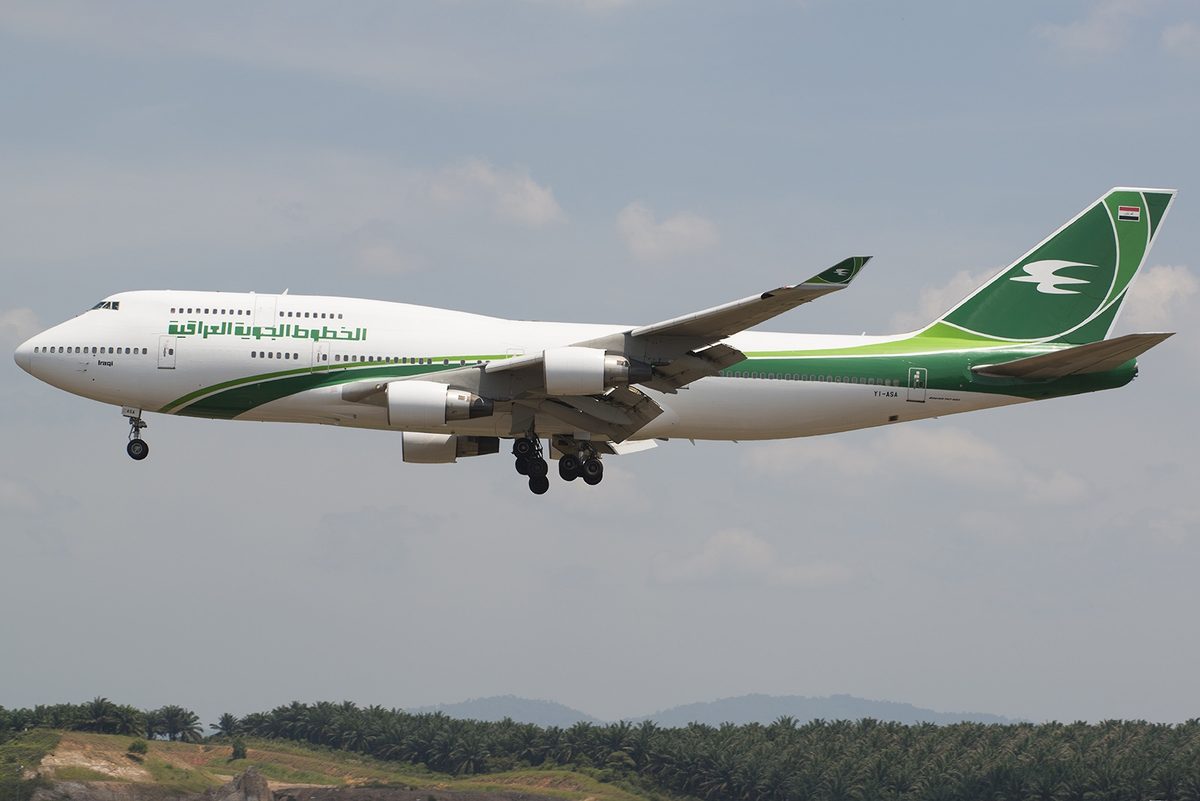
There are no nonstop flights from North America, the UK or Australia, so you’re always paying for a one-stop connection via Istanbul, Doha, Dubai, Amman or Sharjah. As I write in June 2026, the realistic ranges are:
- From the US: round-trips start as low as $334 (I’ve seen Dallas–Baghdad at that), but $700–1,000 is the honest everyday range to Baghdad or Erbil.
- From the UK/Europe: London–Erbil round-trips from about £484; Pegasus via Istanbul is usually the cheapest door into Erbil, often under £400 if you’re flexible.
- Within Iraq: a domestic hop like Baghdad–Erbil or Baghdad–Basra runs roughly $60–120 one way — worth it to save a long road day, though shared taxis cost a tenth of that.
Two booking levers actually move the price. First, fly into one city and out of another (Erbil in, Baghdad out, or vice versa) — it costs little more than a return and saves you backtracking across the country. Second, Erbil and Najaf are often cheaper entry points than Baghdad from Europe. Timing matters too: fares dip in the shoulder seasons, which our best time to visit Iraq guide maps out month by month. One caveat for 2026 specifically — the region’s airspace has been disrupted more than once this year, so book flexible tickets; the full picture is in our getting around Iraq transport guide.
The Iraq visa cost in 2026 (and the rule that changed)
Here is where almost every older blog will mislead you, so read this twice. The headline number — the Federal Iraq e-visa now costs about $158, paid online — is up sharply from the ~$75 it was a couple of years ago, because the government bundled a mandatory health-insurance fee into it. You pay it through the official portal at evisa.iq before you fly.
The bigger change is procedural: visa-on-arrival was abolished for 37 nationalities — including Americans, Britons, Europeans, Canadians and Australians — on March 1, 2025. If a 2023 article tells you to just turn up at Baghdad airport and pay for a visa, that advice is now wrong and could get you turned back at check-in. You must hold the e-visa before departure. Budget the full $158, apply at least a week or two out, and keep the confirmation on your phone and on paper. The mechanics, document list and current processing times live in our dedicated Iraq visa guide.
Kurdistan’s separate, cheaper visa
The Kurdistan Region runs its own immigration, and its visa is both cheaper and easier: an e-visa of about $75 (roughly 100,000 dinars), valid 30 days, and historically available on arrival at Erbil and Sulaymaniyah for many nationalities. The catch that trips people up: a Kurdistan visa does not let you into Federal Iraq — you can’t use it to visit Baghdad, Najaf or Basra. If your trip is Kurdistan only, you save money. If you want both, you need the federal e-visa (which does cover the whole country). Don’t pay for both unless your route genuinely requires it; we untangle exactly who needs which in the Iraqi Kurdistan guide.
Travel insurance: the cost nobody budgets for
This one surprises people and it matters. The US State Department has Iraq at Level 4 (Do Not Travel) and the UK FCDO advises against all travel to Iraq, including Kurdistan. The practical consequence isn’t just nerves — it’s that most standard travel-insurance policies are void for Iraq. Buy a normal policy and you may have no cover the moment you land. You need a specialist “high-risk” or conflict-zone insurer; expect to pay meaningfully more than a normal policy — roughly $40–100+ for a standard trip depending on length, age and coverage, sometimes more. It is not optional given there’s no card-based medical safety net on the ground. Read our honest, regularly updated is Iraq safe to visit? assessment before you buy, because what’s covered hinges on the advisory level the day you travel.
Money in Iraq: cash, cards and the Iraqi dinar
If you skim one section, make it this one. More trips are quietly sabotaged by money logistics than by anything in the headlines, because Iraq runs on physical cash in a way that genuinely surprises first-timers. Here’s the whole system.
Iraq is a cash economy — what that really means
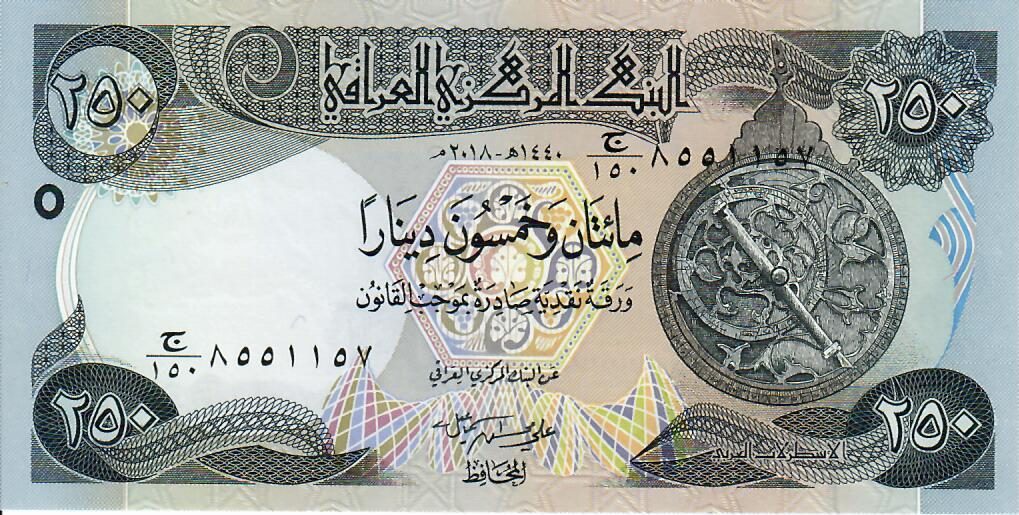
For a foreign visitor, Iraq is effectively cash-only. You pay your hotel in cash, your driver in cash, your dinners in cash, your museum tickets in cash. There is no tap-to-pay, no splitting the bill on an app, no “I’ll just hit an ATM.” A handful of upscale hotels and malls in Baghdad and Erbil can run a card, but treat that as a lucky bonus, never a plan. The discipline this demands is simple but unfamiliar: you carry, secure and budget a stack of cash for your entire trip, and you watch it go down. Money belts and a hidden reserve stop being paranoid here; they’re just sensible.
The Iraqi dinar, explained
The currency is the Iraqi dinar (IQD). In practice you’ll handle banknotes of 250, 500, 1,000, 5,000, 10,000 and 25,000 dinars — the 25,000 note (about $17) is the workhorse for anything substantial, and the smaller notes are for taxis, tea and tips. Coins technically exist but you’ll never see them; nobody uses them. The notes are similar sizes and colors, so count carefully at first. A useful mental shortcut at the street rate: 25,000 IQD ≈ $17, 10,000 ≈ $7, 1,000 ≈ $0.70. Don’t be intimidated by the zeros — you become a millionaire the moment you change a few hundred dollars, and you stop noticing within a day.
The exchange rate: official vs street (and why the gap matters)
Iraq has two exchange rates, and confusing them costs you money. The official rate is pegged at about 1,300 dinars to the dollar — that’s the government’s number, confirmed for the 2026 budget, and roughly what a bank gives you (a little worse after fees, call it 1,310–1,320). But almost nobody changes money at a bank. On the street — at the exchange shops where you’ll actually do it — the parallel rate trades weaker, around 1,500 dinars to the dollar in mid-2026 (in early June the Baghdad markets were near 1,545). That gap is real money: changing $500 nets you roughly 750,000 dinars on the street versus about 650,000 at the official rate. So: change at reputable exchange shops, not banks, and quote yourself the street rate when you budget. I use 1,500 throughout this guide for exactly that reason.
Do ATMs work in Iraq? The honest 2026 answer
Mostly, no — not for you. ATMs exist all over Baghdad, Erbil and Basra, but the overwhelming majority serve local bank cards only. Foreign Visa, Mastercard, Revolut and Wise cards generally do not work, and on the rare machine that accepts one, fees are steep and the cash comes out at a poor rate. Travelers swap tips about specific banks whose ATMs sometimes take international cards (an Islamic bank branch here, a particular machine there), but “sometimes, at one branch, if the network’s up” is not a cash strategy. The dinar is also a closed currency — you can’t buy it before you arrive or cash it out after you leave — so you can’t pre-load. Plan as if ATMs don’t exist, treat any working one as a bonus, and never let your cash run low expecting to top up from a wall.
Dollars or euros — and how much cash to bring
Bring US dollars. Dollars exchange everywhere in Iraq and are the de facto second currency; euros are accepted in the big cities and across Kurdistan but get a worse rate and blank looks in smaller towns. Two specifics that genuinely affect what you get: bring clean, crisp, unmarked notes (a tiny tear or pen mark can get a bill refused or discounted), and bring large denominations for the best rate — crisp $100 bills change at a better rate than twenties — but also carry a wad of smaller notes ($1, $5, $20) for small payments and the first taxi before you’ve changed anything. How much to physically carry? Take your daily budget, multiply by your days, add a 20–30% cushion, and bring that in cash. For a two-week mid-range trip that’s commonly $1,200–1,800 in dollars on your person. It feels like a lot to fly with; it’s normal here.
Where and how to exchange money
Change a small amount at the airport on arrival — just enough for the taxi and first night, because airport rates are mediocre — then change the bulk in town at an exchange shop (a sarrafa). Every city center has a cluster of them, often a whole street; they’re fast, used by everyone, and post their rates. Count your dinars before you walk away, and change in chunks rather than all at once so you’re not carrying a brick of cash you don’t need that day. Avoid freelance “money guys” who approach you; stick to established shops and hotel desks (hotels give a slightly worse rate for the convenience).
Can you pay by card anywhere?
Occasionally, and more often in Kurdistan than in the federal center. Erbil and Sulaymaniyah have noticeably better card infrastructure — some hotels, supermarkets and nicer restaurants will run a Visa or Mastercard — while in Baghdad and the south it’s rare and limited to international-brand hotels and a few malls. Even where a card terminal exists, network failures are common, so the staff themselves will often wave you toward cash. Carry a card as a deep-backup for a flight change or an emergency hotel, but assume every real-world purchase is cash.
Pay in dinar, not dollars — the 10–15% trick
This is the single best money-saver in Iraq and it costs nothing. When a hotel or driver quotes you a price in dollars, that quote almost always bakes in a worse exchange rate than you’d get yourself — the foreigner markup. Change your money first, then pay and negotiate in dinars. Ask hostels and guesthouses for their “local cash rate” in IQD (a quick WhatsApp message often gets a lower number than the dollar walk-in price), and confirm taxi and tour prices in dinar before you commit. Over a week of paying in the local currency instead of dollars, travelers routinely save 10–15% — real money for one habit.
What things cost in Iraq: real prices
Now the granular stuff — what you’ll actually hand over for a bed, a meal, a ride and a ticket. Prices are in dinars with dollar equivalents at the ~1,500 street rate.
Accommodation: from $8 dorms to $150 suites
Beds are where Iraq feels cheapest. Outside the international-brand hotels, you’re rarely paying more than $40 for a perfectly good room.
| Type | Price / night | What you get |
|---|---|---|
| Hostel dorm bed | $8–15 (12,000–22,000 IQD) | Baghdad, Najaf, Basra, Erbil; thin on the ground but growing |
| Budget hotel (private) | $17–27 (25,000–40,000 IQD) | Simple en-suite double; the backpacker default across the country |
| Mid-range / 3-star | $40–90 (60,000–130,000 IQD) | Baghdad rooms start around 60,000 IQD; A/C, breakfast, reliable hot water |
| 4–5 star / international brand | $135–300+ (200,000+ IQD) | Erbil’s Rotana/Divan tier, Baghdad’s secured hotels; cards sometimes accepted here |
Two things to know. Prices quoted online (especially via booking sites) often run higher than the walk-in or WhatsApp price for foreigners, so it’s worth messaging directly. And in the shrine cities of Najaf and Karbala, room rates spike hard during the great pilgrimages — book ahead or pay triple. For where to base yourself in each city, our city guides go deeper, starting with Baghdad.
Food and drink: $1 street snacks to a $20 splurge
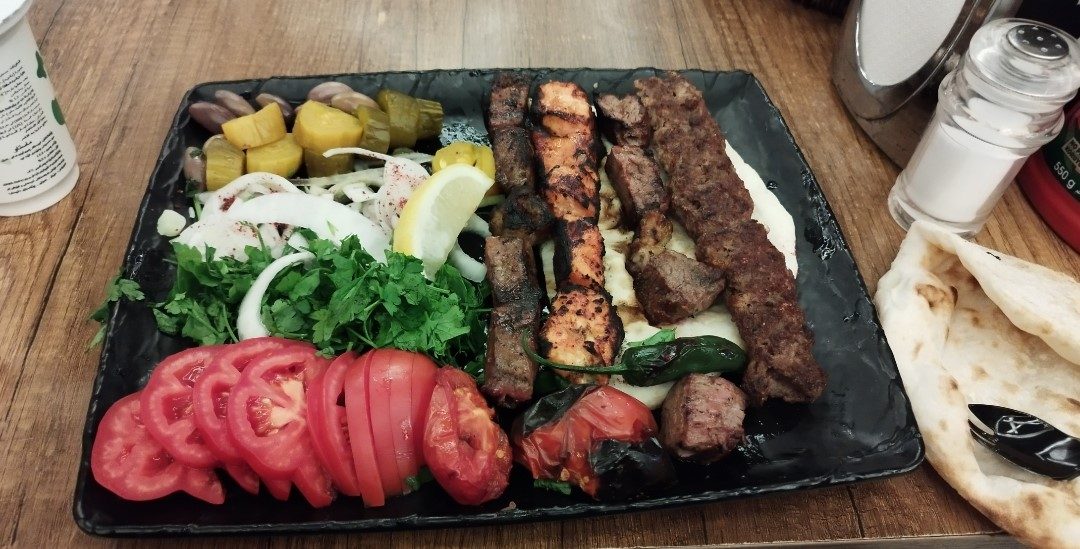
Eating in Iraq is a highlight and a bargain. You genuinely have to try to spend a lot.
- Street food: falafel or a shawarma wrap runs 1,000–5,000 IQD ($0.70–3.50). A breakfast of bread, cream (geymar), date syrup and tea is a couple of dollars.
- Local restaurant meal: a plate of kebab, rice, soup and bread at a working-man’s restaurant is 5,000–12,000 IQD ($3.50–8) — this is where you’ll eat most days.
- Mid-range sit-down: a fuller meal at a nicer place, 12,000–25,000 IQD ($8–17).
- The masgouf splurge: Iraq’s signature grilled river fish, priced by weight, lands around $10–20+ a person and is worth doing once on the Tigris.
- Drinks: tea (chai) is 250–500 IQD almost everywhere; a coffee at a modern café $2–3; and where alcohol is sold (Baghdad and Kurdistan, not the holy cities), a beer from a liquor shop is around 1,200 IQD, far less than a bar.
Realistic food budgets: a backpacker eats well on $6–12 a day, a mid-range traveler on $15–30, and you’d have to order masgouf nightly to crack $50.
Getting around: the dinar fares
Intercity travel runs on shared taxis that leave when full from a city’s “garage,” and it’s cheap. City rides are cheap too, especially via apps. Here’s the lay of the land; the full how-to is in our getting around Iraq guide.
| Ride | Typical cost | Notes |
|---|---|---|
| City taxi / Careem ride | $2–5 (3,000–7,000 IQD) | Careem and inDrive work in Baghdad, Erbil, Basra; cheaper and no haggling |
| Shared intercity taxi (per seat) | $5–15 | Baghdad–Karbala ~10,000 IQD; Baghdad–Basra 25,000–40,000 IQD |
| “Bag fee” on shared taxis | $1.50–3.50 (2,000–5,000 IQD) | Surprise extra for a big rucksack — normal, just know it’s coming |
| Airport taxi to central Baghdad | $17–30 (25,000–45,000 IQD) | The security perimeter makes this pricier than it should be; see the airport hack in the transport guide |
| Private driver (full day) | $60–120 | Best value for groups and site-hopping days |
| Domestic flight | $60–120 | Baghdad–Erbil / Baghdad–Basra when you’re short on time |
Sights, sites and activities
Iraq’s headline attractions are almost comically cheap to enter, because there’s no mass-tourism pricing yet. Most major archaeological sites — Babylon, Ur, the ziggurat, Samarra — charge a flat 25,000 IQD (about $17) for foreigners. Erbil’s Citadel is free to wander; many city museums are 3,000–6,000 IQD. A boat trip in the southern Mesopotamian Marshes runs roughly $15–30 for the boat (split it with others). Budget a little extra for two things people forget: some sites levy a small camera or photography charge, and a local guide or fixer at a big site is money well spent for the context. For the full hit-list of what’s worth your time and ticket, see our best places to visit in Iraq.
Kurdistan vs Federal Iraq: the cost difference
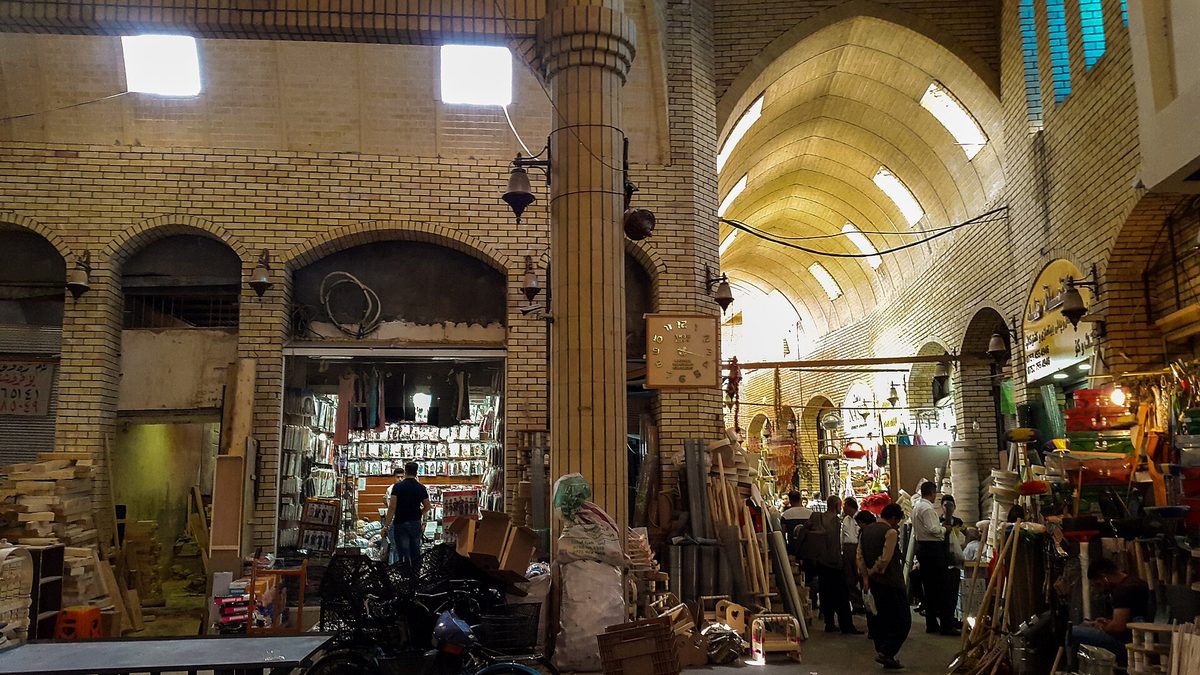
People talk about “Iraq” as one budget, but the country is really two cost zones. The Kurdistan Region in the north — Erbil, Sulaymaniyah, Duhok — runs roughly 20–30% more expensive than Baghdad and the south, and it’s worth understanding why so the difference doesn’t ambush you.
Kurdistan is more stable, more developed and more used to international visitors, and that shows up in the prices: hotels are pricier and more likely to have a card machine, restaurants skew a notch more expensive, and the whole region feels closer to, say, Jordan than to central Iraq. The federal center and south — Baghdad, the holy cities, Basra, the marshes — is where your money stretches furthest. As a rough ranking from cheapest to priciest: Mosul and the deep south are the best value, Baghdad sits in the middle, and Erbil is the most expensive base in the country.
The other cost difference is structural: the separate visas. A Kurdistan-only trip uses the ~$75 regional e-visa; a whole-country trip needs the ~$158 federal e-visa. If your budget is tight and you mainly want mountains, citadels and an easy first taste of Iraq, a Kurdistan-only loop is both cheaper to enter and gentler on the wallet day to day in exactly one sense — the visa — even if daily costs run higher. Our Iraqi Kurdistan guide lays out the routes and where the money goes.
Organized tour vs independent travel: which costs more?
This is the biggest single fork in your Iraq budget, and the honest answer is that a tour costs several times more per day — but for some travelers it’s still the right call.
Independent travel is what makes Iraq a $35–65-a-day country. You take shared taxis, stay in budget hotels, eat where locals eat, and arrange the odd guide or driver à la carte (a private driver-guide for a day runs about 50,000–100,000 IQD, roughly $35–70). Over a two-week trip that’s by far the cheapest way to see the country, and plenty of people do exactly that.
Organized tours sit at the other end. A week-long small-group tour with a reputable operator typically runs $1,900–2,600 excluding international flights — call it $270–370 a day — and private or bespoke tours run higher, with high-end operators charging $200–500 a day. What you’re buying is accommodation, transport, a guide, the permits and the logistics handled.
So when is a tour worth the premium? Three honest reasons. First, access: some areas and sites sit behind checkpoints that won’t wave an independent foreigner through, and a tour’s permits and local fixer open doors you simply can’t open alone. Second, language and friction: Iraq has almost no tourist infrastructure, little English outside Kurdistan, and a lot of small logistical hurdles a guide dissolves. Third, time and nerves: if you have one week and want it smooth, paying for that is rational. If you have flexibility, patience and a tolerance for figuring things out, independent travel saves you thousands. Many travelers split the difference — independent in the easy regions, a guide hired locally for the harder days.
What a pilgrimage to Najaf and Karbala costs
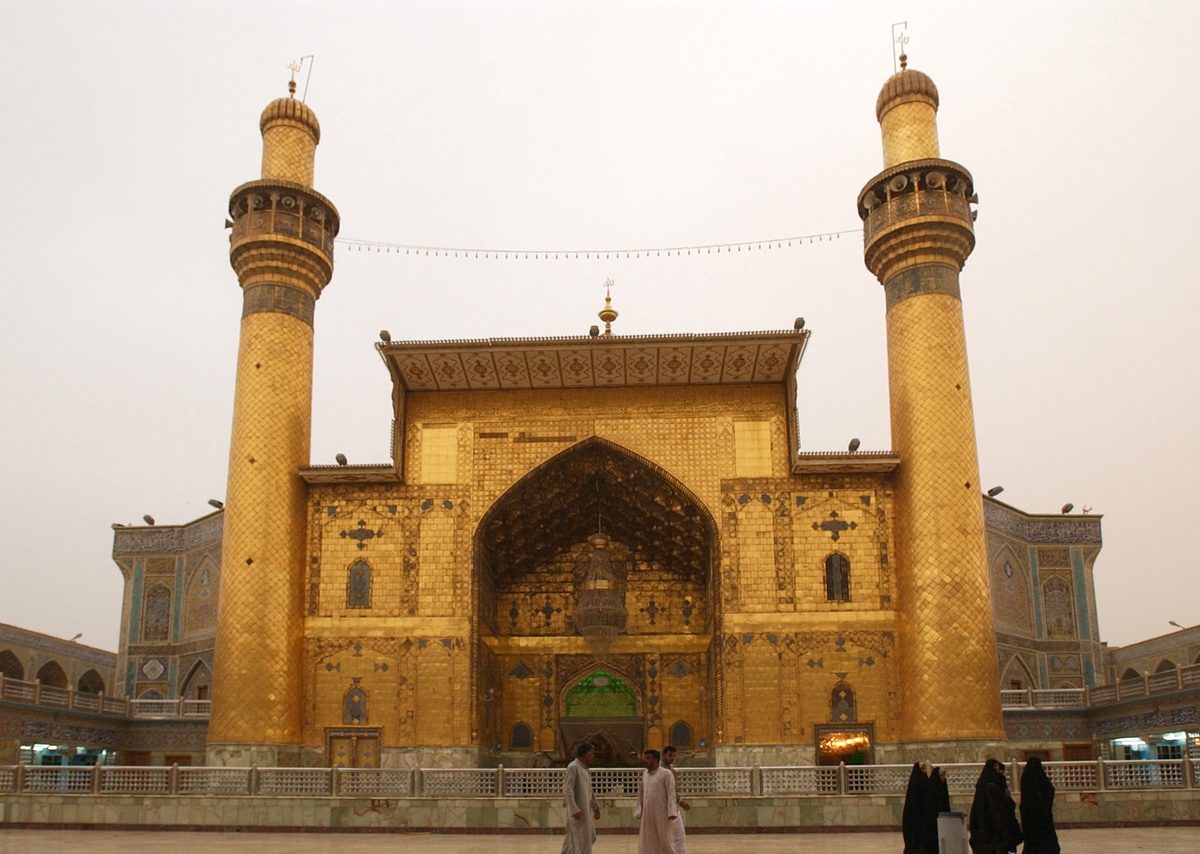
A huge share of visitors come to Iraq for ziyarat — pilgrimage to the Shia holy cities of Najaf and Karbala — and the cost picture there has its own quirks worth spelling out.
The good news: the shrines themselves are free. There’s no ticket to enter the Imam Ali or Imam Hussein shrines, and the cities are cheap to reach by shared taxi from Baghdad (Baghdad–Karbala is about 10,000 IQD). Independent pilgrims can do the holy cities on a tight backpacker budget most of the year. The complication is timing: during Arbaeen and Ashura, when millions descend on Karbala, hotel prices in the shrine cities multiply and rooms vanish — what’s a $20 room becomes a $60 room if you can find it at all. If you’re going for the pilgrimage seasons, book far ahead and budget generously; if you’re going for the shrines without the crowds, come outside those dates and pay a fraction. Our best time to visit guide has the exact dates.
Many pilgrims, especially from outside the region, travel on organized ziyarat packages that bundle flights, hotels near the shrines and transport between the cities; these vary enormously by origin and season. Whether you go independent or packaged, our Iraq pilgrimage and holy cities guide walks through the whole circuit and what to expect.
Hidden and unexpected costs to budget for
These are the line items that don’t show up in a daily-budget table but quietly add up. None are huge on their own; together they’re worth a cushion.
- The health-insurance fee inside your e-visa. Already covered, but worth repeating because it’s why the visa jumped to ~$158 — it’s not optional and it’s not refundable.
- Photography and camera charges. Some museums and archaeological sites add a small fee for a camera (occasionally they’ll wave a phone through but charge for a “real” camera). Keep a few small notes handy.
- Shared-taxi bag fees. A big rucksack often costs an extra 2,000–5,000 IQD on intercity shared taxis. Normal — don’t argue, just budget it.
- The airport “final mile.” Security perimeters around Baghdad and Erbil airports mean ordinary taxis can’t drive in, so the sanctioned options cost more than the distance warrants. The two-step shuttle hack in our transport guide saves you real money here.
- “Security excuse” surcharges after dark. Arrive somewhere late and you’ll occasionally be quoted a higher room or ride price citing the hour. Arriving before dusk avoids most of it.
- Checkpoint time (and the odd local-sponsor wrinkle). Checkpoints don’t usually cost money, but they cost time, and a few areas have historically wanted a local sponsor or guide to vouch for you — which effectively means hiring one. Factor it in for off-track regions.
- Foreigner pricing. Not malicious, just reality: the opening number for a visitor is higher. Paying in dinar, knowing the rough right price, and a friendly bit of bargaining brings it back to normal.
Tipping and haggling in Iraq
Both are gentler than you might expect, and getting them right keeps your costs sane without being rude.
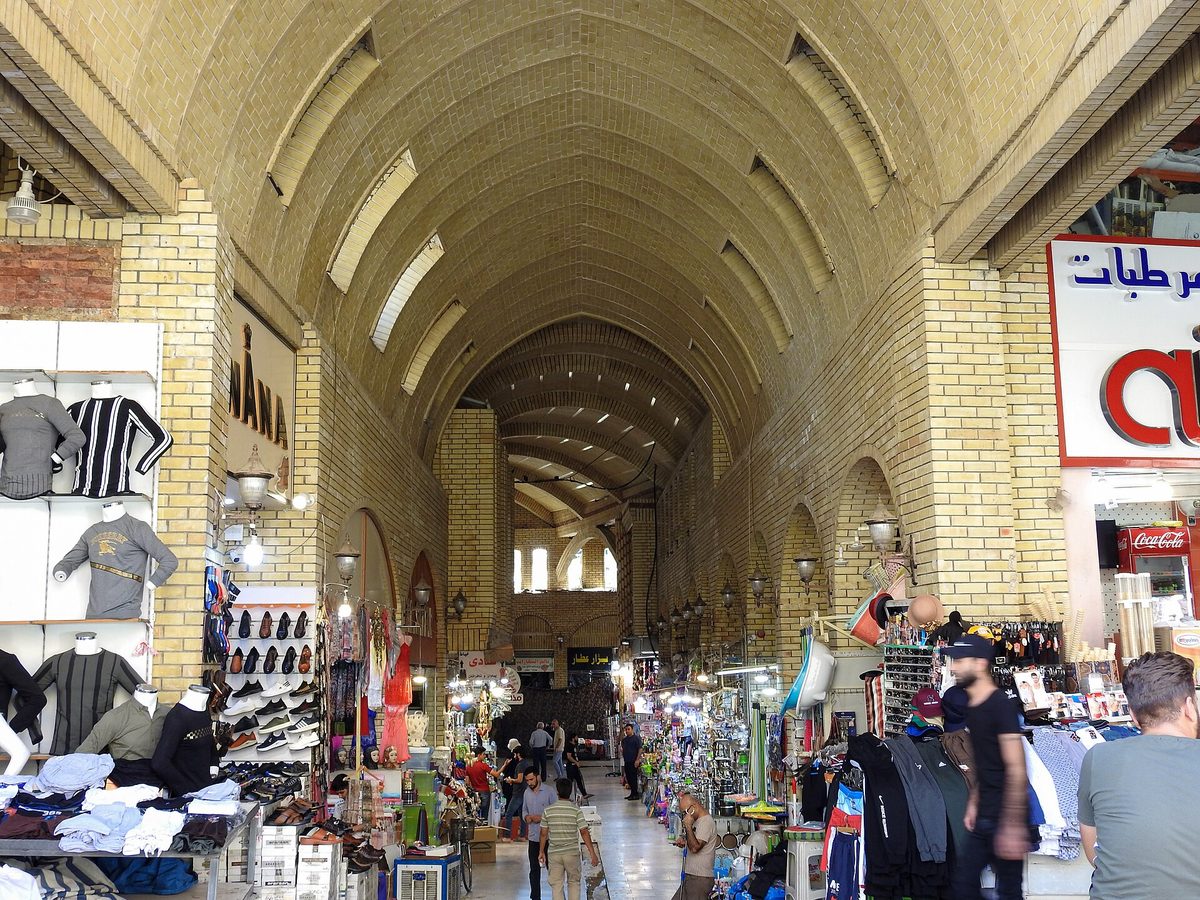
Tipping (baksheesh) is appreciated but not obligatory, and Iraqis themselves tip lightly. In restaurants, rounding up or leaving 5–10% at a nicer place is plenty; at a cheap local eatery, just round up. Hotel porters get 500–1,000 IQD a bag. Taxi drivers aren’t tipped by locals, though rounding up is a kind gesture. If you hire a guide or driver for the day and they were good, 5–10% of the day rate is a generous, normal thank-you. Keep a pocket of small notes specifically for this.
Haggling has clear boundaries here, which makes it easy. Hotel room rates, souvenirs, and private taxi or driver hires are negotiable — agree the number before you commit, and paying in dinar gives you a better starting point. What’s not negotiable: shared-taxi seat fares (they’re effectively fixed and everyone pays the same), restaurant and shop prices with tags, and museum tickets. The move is to negotiate the negotiables politely and in good humor — a smile and a counteroffer, not a confrontation — and to simply pay the fixed prices without fuss.
Will the Iraqi dinar be revalued? (“Deleting the zeros”)
If you’ve researched the dinar at all, you’ve hit a wall of breathless content about Iraq “deleting three zeros” or the dinar about to “revalue” and make holders rich. As someone budgeting a trip, here’s the calm, correct version, because it affects how you think about carrying cash — and the answer is: it doesn’t, really.
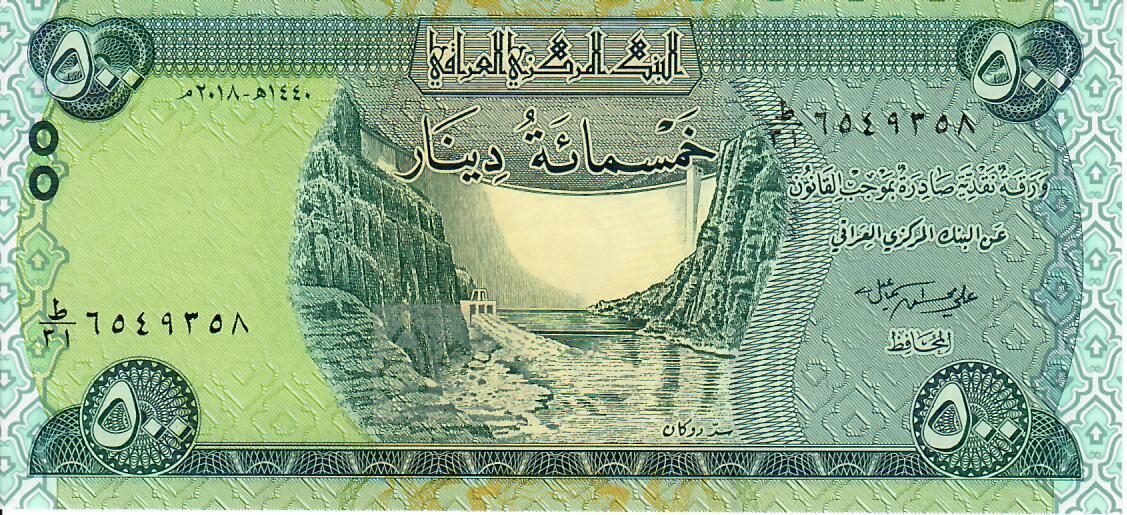
The Central Bank of Iraq has a long-discussed plan to redenominate the currency — lop three zeros off, so a 25,000 note becomes a 25 note. Crucially, redenomination changes only the face value, not the purchasing power: prices and salaries get rescaled by the same factor, so a coffee that cost 3,000 old dinars costs 3 new dinars. It is not a windfall and not a “revaluation” that makes your cash worth more. As of 2026 there is no timetable, no new banknotes printed, and no public rollout — the bank calls it an internal technical project tied to future economic stability. And in late 2025 the CBI went out of its way to publicly deny any plan to change the exchange rate, calling the revaluation rumors market-disrupting speculation.
What this means for your trip: nothing. You’ll use the same 250-to-25,000 notes described above, change dollars at the street rate, and ignore the “dinar guru” investment hype entirely. It has no bearing on what your holiday costs.
Sample Iraq trip budgets: one week and two weeks
Daily figures are useful, but a real budget is the total with flights and visa folded in. Here are two worked examples — a lean independent week and a comfortable mid-range fortnight — built from the numbers above. Treat them as templates and slot in your own flights.
| Cost | 1 week, budget / independent | 2 weeks, mid-range |
|---|---|---|
| Round-trip international flight | ~$400 (Europe via Istanbul) | ~$850 (US, one-stop) |
| Federal e-visa (incl. health insurance) | $158 | $158 |
| Specialist travel insurance | ~$50 | ~$90 |
| Accommodation | $150 (6 nts budget hotels) | $585 (13 nts, 3-star) |
| Food & drink | $84 (~$12/day) | $350 (~$25/day) |
| Local transport | $56 (shared taxis) | $300 (taxis + 1 domestic flight) |
| Sights, guides & activities | $50 | $250 |
| Misc (SIM, tips, bag fees) | $40 | $80 |
| Approx. total | ~$990 | ~$2,660 |
Strip out the flight and visa and that budget week drops to about $430 in-country — which is why people come back saying Iraq was the cheapest part of a bigger trip. Want to spend less? Travel with a friend and split rooms, skip domestic flights for shared taxis, and come outside pilgrimage season. Want it smoother? The mid-range column is where most independent travelers actually land. For how to thread these days together into a route, see our Iraq itinerary planner.
How to travel Iraq on a budget: money-saving tips
The habits that genuinely move your Iraq travel cost, in rough order of impact:
- Quote and pay everything in dinar, not dollars. The biggest free saving there is — 10–15% over a week.
- Bring crisp $100 bills for the best exchange rate, plus smaller notes for day one. Clean, unmarked, recent notes only.
- Ride shared taxis, not domestic flights. A $7 shared taxi versus a $100 flight, several times over, is a different budget.
- Eat where the workers eat. The 6,000-dinar kebab lunch is not just cheap, it’s usually the best food.
- Message hotels directly for the “local cash rate” instead of booking the inflated online price.
- Buy one big SIM data bundle (10–20GB for $7–15) rather than tiny top-ups.
- Travel in shoulder season and steer clear of Arbaeen/Ashura unless that’s your reason for coming — beds cost a fraction. Our best time to visit guide has the calendar.
- Arrive in new towns before dark to dodge late-arrival surcharges and get the pick of rooms.
- Split a driver or a marshes boat with other travelers — the cost is per vehicle, not per head.
- Hire guides locally and à la carte instead of pre-booking a full tour, if you have the flexibility.
Iraq travel cost FAQ
Is Iraq expensive to visit?
On the ground, no — Iraq is cheap, with $4–6 meals, $20–30 budget rooms and a few-dollar shared taxis. What makes a trip pricey is the cost of access: a ~$158 e-visa, $600–1,000+ flights, and specialist insurance. Cheap country, expensive doorway.
How much money do I need for a week in Iraq?
A lean independent week comes to roughly $1,000 all-in, including flights and visa, or about $430 once you exclude those. A comfortable mid-range week runs $1,800–2,800; a guided tour week, $2,000–3,500+. Bring it as cash — see the dollars question below.
How much is the Iraq visa in 2026, and is there still visa on arrival?
The Federal Iraq e-visa costs about $158, now that a mandatory health-insurance fee is included, and you apply online before you travel. Visa-on-arrival was abolished for 37 nationalities (US, UK, EU, Canada, Australia) on March 1, 2025, so you must hold the e-visa before departure.
Do ATMs work in Iraq, and should I bring cash?
Assume ATMs won’t work for you — most serve local cards only, and foreign Visa/Mastercard rarely work, at high fees when they do. Bring enough US dollars in cash to fund your whole trip. The dinar is a closed currency, so you can’t get it before arriving either.
Should I bring US dollars or euros to Iraq?
US dollars. They exchange everywhere and are the de facto second currency; euros work in big cities and Kurdistan but at worse rates. Bring clean, crisp, unmarked notes — torn or marked bills get refused — with large denominations for the best rate plus small notes for day one.
What is the Iraqi dinar to dollar exchange rate?
Two rates exist. The official peg is about 1,300 dinars per dollar (roughly what a bank gives). The street rate, where you’ll actually change money, is weaker — around 1,500 dinars per dollar in mid-2026. Use exchange shops, not banks, and budget at the street rate.
Is Iraqi Kurdistan more expensive than the rest of Iraq?
Yes, by roughly 20–30%. Kurdistan is more developed and visitor-friendly, with pricier hotels and restaurants but better card acceptance. Baghdad and the south are cheaper; Mosul and the deep south are the best value of all. Kurdistan also has its own cheaper $75 visa.
Do I need a guide, and how much do tours cost per day?
You don’t always need one — independent travel at $35–65/day is very doable — but guides unlock checkpoint-restricted areas and smooth the language barrier. A local driver-guide for a day is about $35–70; a full small-group tour runs $270–370/day, and high-end private tours $200–500/day, excluding international flights.
How much are flights to Iraq?
From the US, round-trips start around $334 but realistically run $700–1,000 to Baghdad or Erbil. From the UK and Europe, London–Erbil starts near £484, with Pegasus via Istanbul often cheapest. There are no nonstops; you’ll connect through Istanbul, Doha, Dubai or Amman.
Do you tip in Iraq?
Lightly, and it’s never obligatory. Round up or leave 5–10% at nicer restaurants, give porters 500–1,000 dinars a bag, and tip a good day guide or driver 5–10% of the rate. Locals don’t tip shared-taxi drivers. Keep small notes handy for it.
How much does a Najaf or Karbala pilgrimage cost?
Cheaply, most of the year — the shrines are free to enter and shared taxis from Baghdad cost a few dollars, so independent pilgrims spend backpacker money. The exception is Arbaeen and Ashura, when shrine-city hotel prices multiply and rooms vanish; book far ahead and budget generously for those dates.
Is Iraq cheaper than Turkey or Jordan?
On the ground, yes to both — beds, food and transport undercut Turkey and dramatically undercut Jordan. Iraq’s disadvantage is the gateway: pricier flights and a more expensive visa. A two-week independent Iraq trip usually totals less than the same trip to Jordan and rivals Turkey once those fixed costs are absorbed.
Are they really removing zeros from the dinar — will it affect my trip?
No effect on your trip. The Central Bank’s “delete three zeros” redenomination has no timetable, no new notes printed, and changes only face value, not purchasing power. The CBI publicly denied any exchange-rate change in late 2025. Ignore the “dinar guru” investment hype entirely.
Final thoughts: budgeting for the trip of a lifetime
Here’s the thing I most want you to take away: the money side of Iraq is unusual, not difficult. Once you’ve internalized that you carry cash, change dollars on the street, pay in dinar, and never count on a card, the rest falls into place — and what’s left is a country where your money goes further than almost anywhere you’ve been. A $17 ticket buys you Babylon with nobody else there. A few dollars buys a shared-taxi seat across ancient Mesopotamia. A $25 room sits ten minutes from a shrine that’s drawn pilgrims for a thousand years.
Budget the steep doorway — the visa, the flights, the insurance — honestly and up front, bring more clean dollars than you think you need, and then stop worrying about money and start paying attention to Iraq. It rewards the attention. For everything else you’ll want to plan, our complete Iraq travel guide is the place to start.
Sources & further reading: Central Bank of Iraq exchange-rate policy (official 2026 budget rate of 1,300 IQD/USD) via Shafaq News and US First Exchange; Baghdad parallel-market rates (June 7, 2026) via Iraqi News; Iraq e-visa fees, the mandatory health-insurance requirement and the abolition of visa-on-arrival for 37 nationalities (effective March 1, 2025) via the official evisa.iq portal, Fragomen and Pegasus Airlines visa information; Kurdistan Region e-visa rules via visit.gov.krd and Fragomen; foreign-card and ATM usability reports via Young Pioneer Tours and traveler accounts; CBI redenomination statements (April 2026; November 2025 denial of any exchange-rate change) via Iraq Business News; flight fares via Google Flights, KAYAK and Momondo (June 2026); tour pricing via Young Pioneer Tours and RJ Travel; and on-the-ground price reports from independent travelers (Against the Compass, Laure Wanders, TakeYourBackpack, Backpack Moments, 2022–2026), adjusted to the mid-2026 street exchange rate. Prices in Iraq move with the dinar and the season — treat every figure as a well-researched starting point and confirm locally.
Photo credits: 250 Iraqi dinar note by Andman 51 rus (CC BY-SA 4.0); 500 Iraqi dinar note by Andman 51 rus (CC BY-SA 4.0); Erbil Qaysari Bazaar by Lamacchiacosta (CC BY-SA 4.0); Iraqi mixed grill platter by Abdulsalam Al Dabbagh (CC BY-SA 4.0); Shrine of Imam Ali, Najaf, by U.S. Navy photographer Arlo K. Abrahamson (public domain); Iraqi Airways 747 by Tsung TsenTsan (GFDL 1.2), via Wikimedia Commons; Qaysari Bazaar, Erbil, by Sarchia Khursheed (CC BY-SA 4.0). All via Wikimedia Commons.
Last updated: June 10, 2026. We re-check exchange rates, visa fees and prices regularly — if a number has drifted on the ground, tell us and we’ll update it.