Last updated: September 2026. We re-checked the FCDO’s Iraq advice and entry rules on gov.uk on 25 September 2026 and Erbil airport’s official flight board on 26 September 2026. Distances come from the KRG’s tourism board where it publishes them, otherwise from the sources named; every stop links to our full guide, where the detail is dated.
Two things most Kurdistan itineraries get wrong are worth fixing before you plan a single day. The Kurdistan Region is not visa-free: most visitors need a Kurdistan visa, bought online or on arrival, and it is valid in the Region only. And the obvious road between Erbil and Sulaymaniyah runs through Kirkuk province, where the FCDO advises against all travel. Our Iraqi Kurdistan travel guide covers the Region in depth; this page turns it into a route.
A good Kurdistan itinerary for five to seven days starts in Erbil, loops north along the Hamilton Road to Rawanduz and Korek, crosses west to Duhok, Amedi and Lalish, and, with a full week, adds Sulaymaniyah, Lake Dukan and Halabja in the east, ideally flying home from Sulaymaniyah rather than doubling back.
Below: the practical frame (visas, flights, the advisory map), a day-by-day plan with a five-day core and a two-day eastern extension, how to get around without official drive times, where to sleep, what it costs and what we could not confirm.
The short answer
| Days | Where | Highlights |
|---|---|---|
| 1 | Erbil | The citadel, the bazaar, Ankawa in the evening |
| 2 | Shaqlawa and the Hamilton Road | Hill-station sweets, Gali Ali Beg, Bekhal, the Rawanduz gorge |
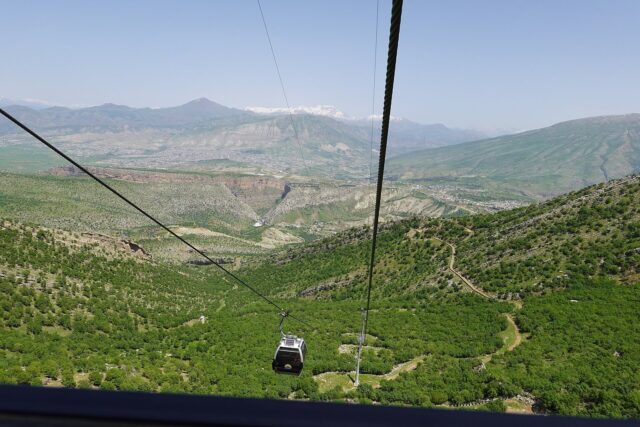
| 3 | Rawanduz and Korek | Iraq’s only cable car, gorge walks, optional high valleys |
| 4 | Akre to Duhok | A hillside town, then the western capital |
| 5 | Amedi, then Lalish | The mesa-top town; the Yazidi sanctuary (note its advisory status) |
| 6 and 7 | Sulaymaniyah, Dukan and Halabja | The cultural capital, the lake and the memorial |
Before you plan: visas, flights and the advisory map
Visas
Most Western visitors get a Kurdistan Region visa, either as an e-visa at visit.gov.krd or, for eligible nationalities, on arrival at Erbil and Sulaymaniyah airports. The fee on file in August 2026 was 100,000 dinars, about US$65 at that month’s street rate. The FCDO is clear that Kurdistan visas are “valid for travel in KRI only”. If any part of your trip enters federal Iraq, you need the federal e-visa, which the FCDO says costs $160, is valid for 60 days and must be applied for at least 24 hours ahead; there is no longer a visa on arrival. Our Kurdistan visa guide and Iraq e-visa walkthrough have the steps.
Flights
Erbil is the main gateway. When we checked its official flight board on 26 September 2026, it listed Turkish Airlines, Pegasus, Qatar Airways, flydubai, Air Arabia, Royal Jordanian, EgyptAir, Iraqi Airways, UR Airlines and VLU, with routes including Istanbul, Doha, Dubai, Sharjah, Amman, Cairo, Tbilisi, London Gatwick and several German cities, and no cancellations. Sulaymaniyah is the second airport, with flights to Istanbul’s Sabiha Gökçen restored after Turkey lifted its ban in October 2025; Turkish Airlines’ own restart there was scheduled but, as of mid-August, not yet flying. Flying into Erbil and out of Sulaymaniyah saves a long drive back.
Airspace remains the wild card. Iraqi airspace closed for 38 days from 28 February to 8 April 2026, all flights to Erbil, Baghdad and Basra were suspended on 24 July, and the European aviation regulator’s bulletin telling airlines not to operate in Iraqi airspace was valid to 30 September 2026 when we checked. Book flexible fares and check with your airline in the week you travel.
The advisory map, stop by stop
As of 25 September 2026, the FCDO advises against all but essential travel to the whole Kurdistan Region, and against all travel to neighbouring Ninawa and Kirkuk provinces. The US State Department rates Iraq Level 4, Do Not Travel, reissued on 2 March 2026. The FCDO warns that “your travel insurance could be invalidated” if you travel against its advice. Inside the Region, a few stops on this route carry extra caveats.
| Stop | What to know (as of September 2026) |
|---|---|
| Rawanduz and Korek | The FCDO names the area around Rawanduz for intermittent Iranian strikes on Iranian-Kurdish opposition groups |
| Akre | One of three Duhok districts listed as “under de facto control” of the KRG; the FCDO doesn’t name it |
| Lalish | In Shekhan district, Nineveh governorate on the federal map, so inside the FCDO’s Ninawa “against all travel” line |
| Erbil to Sulaymaniyah via Kirkuk | Crosses Kirkuk province: against all travel |
| Erbil to Sulaymaniyah via Koya and Dukan | The FCDO names Koya for intermittent Iranian strikes |
| Amedi and the Turkish border | The old “against all travel” carve-out was removed in July 2026 |
None of that is a reason to cancel a Kurdistan trip if you have decided to go; it is a reason to plan each stop deliberately and to ask your insurer about specific districts in writing. Our assessment of safety in Kurdistan, Iraq travel advisory page and travel insurance guide cover the detail.
The Kurdistan itinerary, day by day
Day 1: Erbil
Land in Erbil and take the airport’s official flat-fare taxi into the centre, US$25 in cash; the airport sits close to the city, between about 6 km and 13 km depending on where you are going and whose figure you trust. Spend the afternoon on and around the citadel, the hilltop settlement at the heart of the city and a UNESCO World Heritage Site, then walk down into the bazaar below it. In the evening, the Christian district of Ankawa has many of the city’s restaurants and bars. Our guides to Erbil Citadel and things to do in Erbil fill in the day.
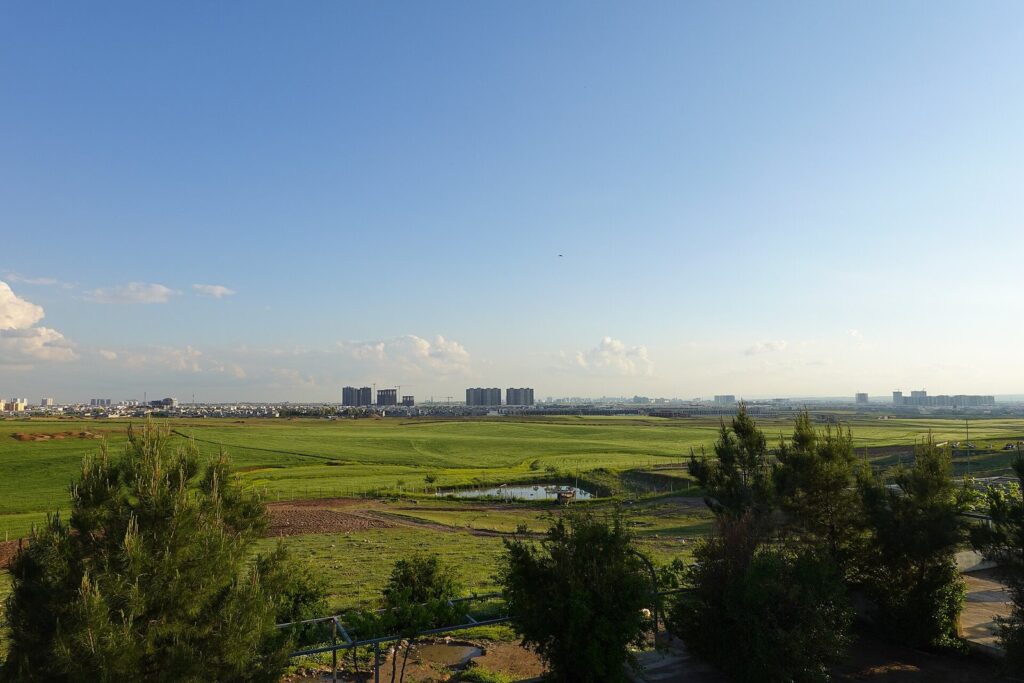
Day 2: Shaqlawa and the Hamilton Road
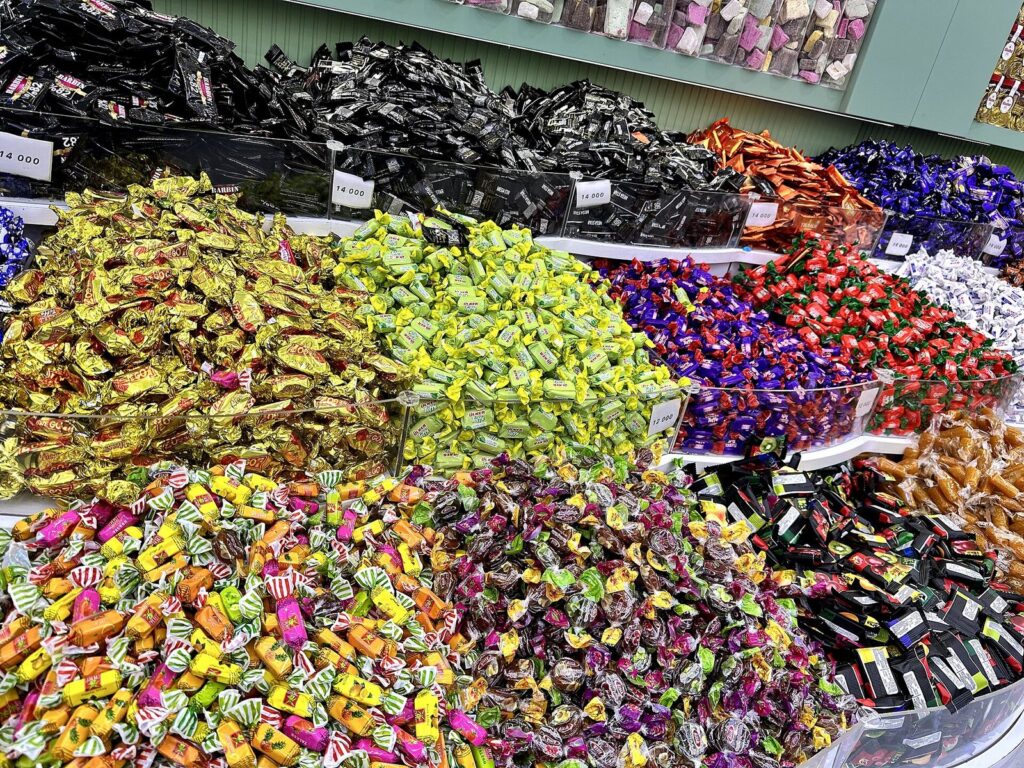
Head north-east. Shaqlawa, an old hill station 51 km from Erbil at the foot of Safeen mountain, is the first stop, known for its honey and the sweets piled high in its bazaar. Then follow the Hamilton Road, the British-built strategic road of 1928 to 1932, through Khalifan to Gali Ali Beg, the waterfall on the 5,000-dinar note (a 12-metre drop, free, with parking at 2,000 to 5,000 dinars in August 2026), and on to Bekhal, the spring-fed falls beside the road. In a dry summer, check that Gali Ali Beg is flowing before you rely on it: it ran completely dry in June 2025, while Bekhal runs all year. Sleep in Soran or Rawanduz. Our guide to Rawanduz and the Hamilton Road covers every stop, including the roadworks planned between Khalifan and Gali Ali Beg.
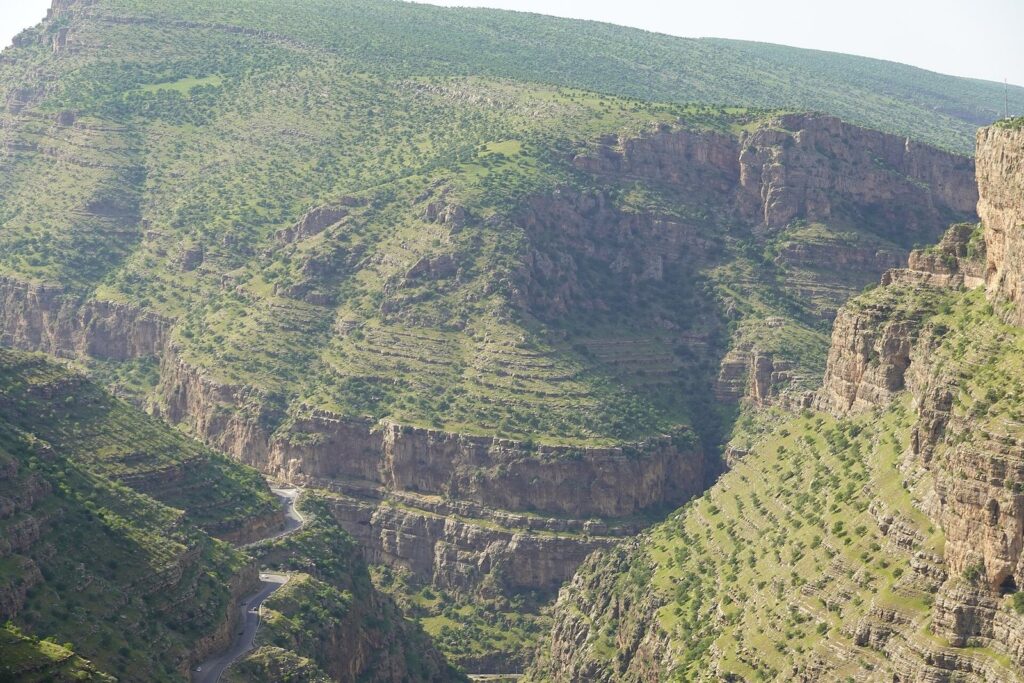
Day 3: Korek and the Rawanduz gorge
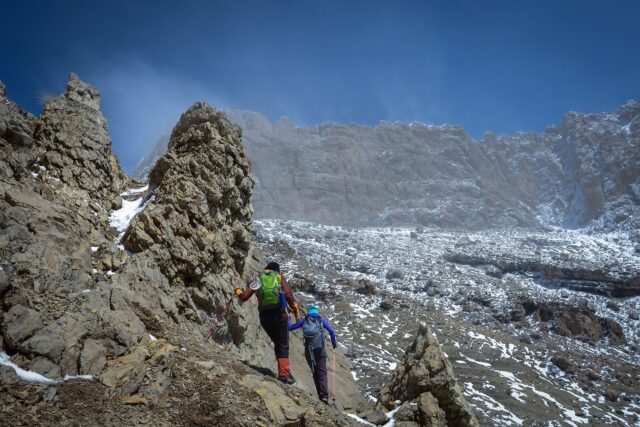
Ride the Korek cable car, Iraq’s only aerial lift, which climbs from about 650 m at Bekhal to 2,000 m, with views to Halgurd on a clear day. The operator publishes no hours or fares, so check before you go. Spend the afternoon on the gorge around Rawanduz. If you have an extra day and it is summer, push on to Choman and the high valleys of Balakayati, where temperatures rarely pass 30 °C. See our guides to Korek Mountain and hiking in Kurdistan.
Day 4: Akre, then Duhok
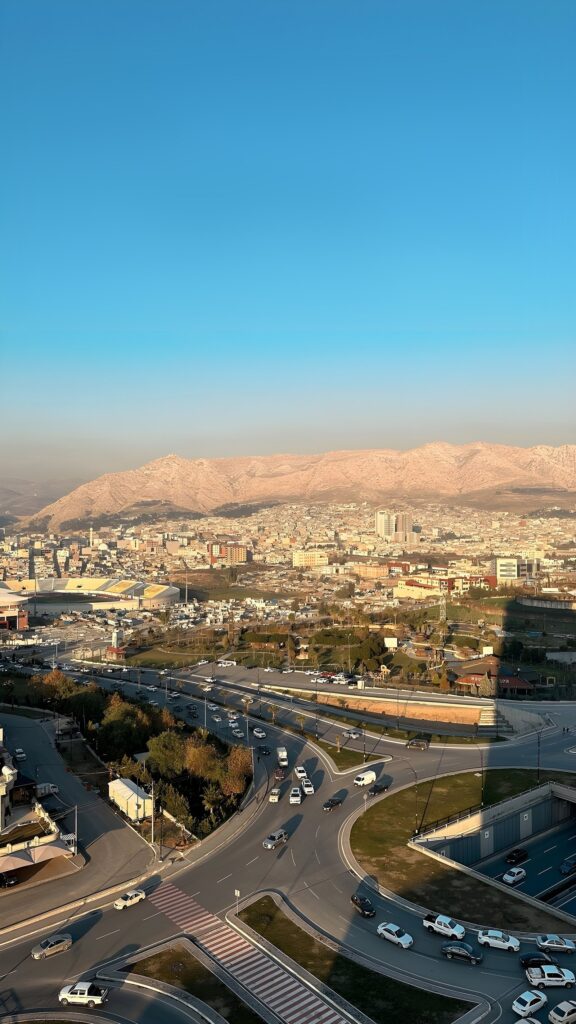
Turn west. Akre, the KRG’s official “Capital of Newroz”, stacks its old town up a mountainside beneath a castle; walk the lanes and the bazaar, which sells rugs, mountain herbs and honey. Continue to Duhok for the night. The Erbil to Duhok highway itself passes through Ba’adre, in the disputed Shekhan district, and the KRG is building a new 26 km dual carriageway there. Our Duhok city guide covers the city and its hotels.
Day 5: Amedi and Lalish
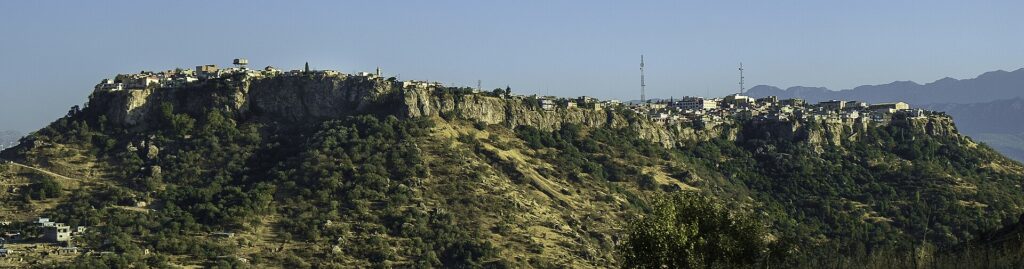
Start early for Amedi, the walled town on a mesa, 70 to 90 km from Duhok depending on the source: the Bahdinan Gate with its Parthian reliefs, the 12th-century minaret, the Qubahan School and the valleys of Sulav below. In the afternoon, if you have decided to go, visit Lalish, the holiest sanctuary of the Yazidi faith, barefoot and modestly dressed; no source we found mentions an entry fee, and you step over thresholds, never on them. Remember that Lalish sits in the FCDO’s Ninawa band, and avoid the Jama feast, 6 to 12 October in 2026. Return to Duhok, or drive back towards Erbil if this is the end of a five-day trip.
Days 6 and 7: Sulaymaniyah, Dukan and Halabja
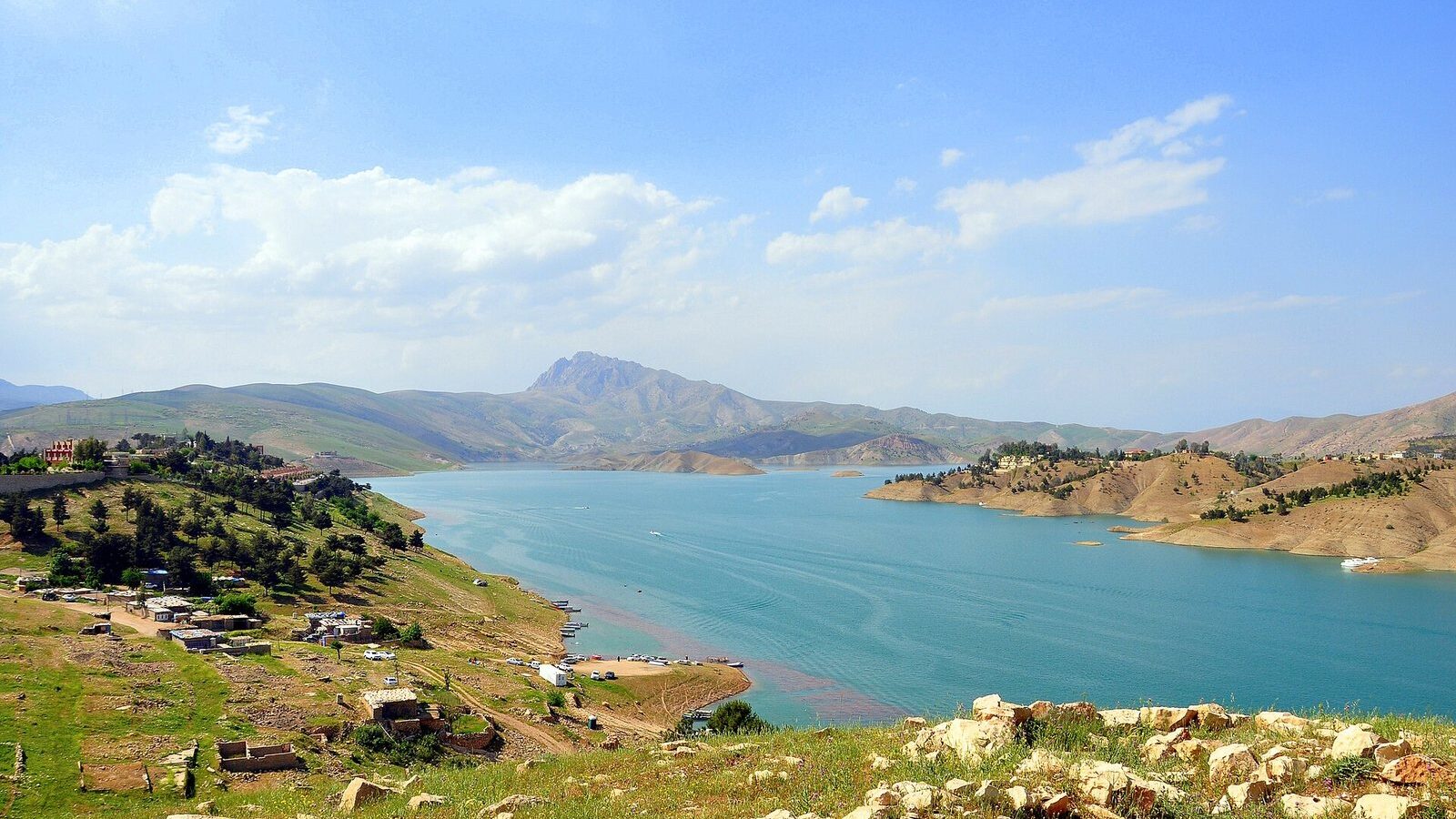
For a full week, cross to Sulaymaniyah, 198 km from Erbil by the KRG’s figure, which doesn’t specify the route. Here you have to choose: the shorter road through Kirkuk province, which the FCDO advises against all travel to, or the normal tourist route through Koya and Dukan, where the FCDO names Koya for intermittent Iranian strikes. We can’t choose for you, but the Dukan road is the normal tourist routing, and Lake Dukan, 70 km from Sulaymaniyah, is the reason to enjoy it.
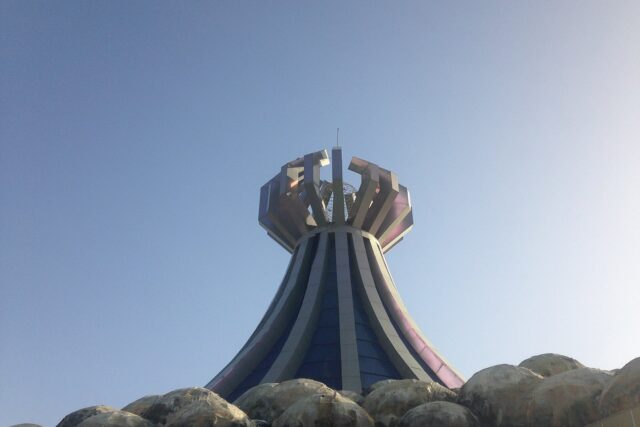
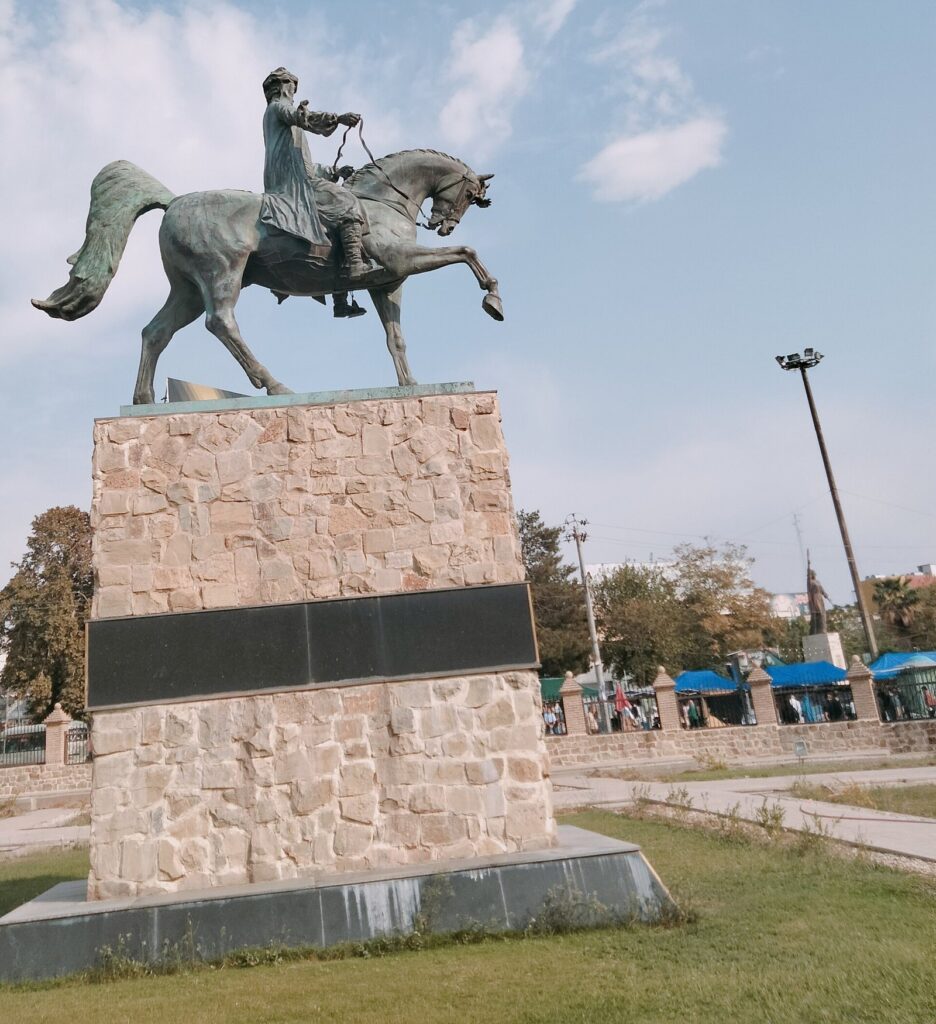
Sulaymaniyah, founded in 1784 by the Baban prince Ibrahim Pasha, is the Region’s cultural capital: museums, bookshops, cafés and the Amna Suraka museum in the former Ba’ath security headquarters, whose Hall of Mirrors uses 182,000 shards of glass for the Kurds killed in the Anfal. On the last day, visit Halabja and its memorial to the 1988 chemical attack, and, time allowing, the Ahmed Awa waterfall in the Hawraman highlands, 84 km from Sulaymaniyah. Fly home from Sulaymaniyah. Our Sulaymaniyah guide has the detail.
Five days, seven days or ten?
The plan above is built to flex. If you only have five days, stop after Day 5 and drive back to Erbil for your flight; you will have seen the capital, the Hamilton Road, Korek and the Duhok mountains, and missed only the east. If you have ten, slow down rather than add more stops.
| Length | What you see | What you give up |
|---|---|---|
| 5 days | Erbil, Shaqlawa, the Hamilton Road, Rawanduz, Korek, Akre, Duhok, Amedi, Lalish | Sulaymaniyah, Dukan and Halabja; any slack for weather or closures |
| 7 days | All of the above plus Sulaymaniyah, Lake Dukan and Halabja, flying home from Sulaymaniyah | The high country around Choman; much time for walking |
| 10 days | Add a night in Choman or Balakayati, a section of the Zagros Mountain Trail and a day in the Hawraman highlands around Ahmed Awa | Nothing essential; this is the version that feels unhurried |
On a ten-day trip, put the extra nights where the landscape is: two in the Soran and Choman area for the gorge, Korek and the high valleys, and one more in Duhok so that Amedi and Lalish don’t share an afternoon. In high summer, Halgurd becomes possible for fit walkers with a local guide; our hiking guide explains the landmine precautions that make a guide essential.
A winter version
Kurdistan in winter is a different trip. Korek gets 60 to 100 days of snow between December and March and runs as a ski area, the high valleys can be cut off, and the waterfalls run strongest in the wet months. Swap Choman for an extra day at Korek, expect shorter daylight for the drives, carry chains or hire a driver who has them, and leave room in the schedule for roads closed by snow. In March, time the trip for Newroz: the fire climb at Akre on the evening of 20 March is the most memorable night of the Kurdish year, though beds are scarce.
How do you get around Kurdistan?
The honest answer is that very little of the usual travel-blog specificity is sourceable here, and that is itself worth knowing. There is no official timetable for intercity buses, and no official source publishes drive times between the cities.
| Option | What we know | Our view |
|---|---|---|
| Car with driver | Arranged through hotels or operators; no published rates | The best choice for this itinerary: flexible, and the driver handles checkpoints |
| Shared taxi | Leaves from a “garage” in each city when full; seats reported at 7,000 to 20,000 dinars (crowd-sourced) | Good between cities, useless for waterfalls and viewpoints |
| Minibus | About half the shared-taxi fare and slower (crowd-sourced) | Avoid long routes: some may stop in Kirkuk or Mosul, in “against all travel” provinces |
| Ride-hailing | No evidence that Uber or Bolt operate; Careem unconfirmed; Lezzoo is a delivery app, not a taxi app | Don’t count on it |
| City taxis | No meters; agree the fare first | Fine for short hops |
Distances, where they exist, come from different sources measuring different things.
| Route | Figure | Source and what it measures |
|---|---|---|
| Erbil to Sulaymaniyah | 198 km | KRG tourism board; route not specified |
| Erbil to Rawanduz | 123 km | Wikipedia; road or straight line not stated |
| Duhok to Amedi | 70 km or 90 km | Kurdistan24 (2026) and the KRG (page dated 2015) |
| Duhok to Akre; Erbil to Akre | About 100 km; about 140 km | Shafaq News (2025) |
| Sulaymaniyah to Dukan; to Ahmed Awa | 70 km; 84 km | KRG tourism board |
Checkpoints are routine on every intercity road; carry your passport, keep a copy of your visa, and read our guide to Iraq’s checkpoints. Our guide to getting around Iraq explains shared taxis and hiring a driver in more detail.
Driving yourself?
Self-drive is possible in principle, but we would not recommend it for a first trip. Checkpoints are frequent and conducted in Kurdish or Arabic, mountain roads such as the Hamilton Road are narrow and busy with trucks, and a wrong turn on the approaches to Mosul or Kirkuk takes you into provinces where the FCDO advises against all travel. We could not confirm which rental firms allow their cars into the mountains or what their insurance covers, so if you do drive, get both answers in writing and avoid driving after dark.
Arriving or leaving overland
The Region has three land crossings that matter to travellers: Ibrahim Khalil, opposite Habur, for Turkey and Duhok; and Bashmaq to Penjwen, east of Sulaymaniyah, and Haji Omaran, opposite Piranshahr on the Hamilton Road, for Iran. The FCDO warns that crossing points “may close with little or no notice” and advises using official crossings and sticking to main roads. An overland arrival from Turkey makes Duhok the natural first night and turns this itinerary around.
Where should you stay each night?
| Night | Base | Why |
|---|---|---|
| 1 | Erbil | Widest choice of hotels, near the citadel or in Ankawa |
| 2 and 3 | Soran or Rawanduz, or the Korek resort | Puts the gorge, Korek and the waterfalls on your doorstep |
| 4 and 5 | Duhok | The base for Akre, Amedi and Lalish; Amedi had no formal hotels in town as of 2025 |
| 6 | Sulaymaniyah | The base for Dukan, Halabja and Ahmed Awa |
We don’t quote nightly rates; they move with the season and the holiday calendar, and they jump at Eid, Newroz and New Year. Our guide to where to stay in Iraq explains the hotel tiers.
When is the best time for a Kurdistan itinerary?
Spring, from March to May, and autumn, from October to November, are the comfortable windows: Erbil’s average April high is about 25 °C, against about 42 °C in August. The winter of 2025 to 2026 was the longest wet season in more than 40 years, which refilled lakes and waterfalls across the Region. In summer, Iraqis head for the mountains rather than the cities, so the Hamilton Road and the high valleys are busy and the plains are punishing.
| Date | What happens | Effect on this route |
|---|---|---|
| 16 March | Halabja Day | A sensitive day to visit the memorial |
| 20 March (evening) | The Newroz fire climb at Akre | Spectacular, crowded; book beds early |
| 21 to 23 March | Newroz public holiday | Busy roads and full hotels across the Region |
| 6 to 12 October (2026) | The Yazidi Jama feast at Lalish | Avoid Lalish unless you are invited |
| Eid holidays | Domestic travel peaks | Waterfalls and resorts at their busiest |
Our guide to the best time to visit Iraq covers the seasons in more detail.
What does a week in Kurdistan cost?
We can’t give you a reliable total, because hotel rates and driver fees are not published and vary widely. What we can give you are the fixed points we have been able to verify, each dated.
| Item | Cost | Status |
|---|---|---|
| Kurdistan Region visa | 100,000 IQD, about US$65 | KRG fee on file, August 2026 |
| Federal Iraq e-visa, if needed | US$160 | FCDO, September 2026 |
| Erbil airport taxi to the centre | US$25, cash | The airport’s published flat fare |
| Gali Ali Beg and Bekhal | Free; parking 1,000 to 5,000 IQD | August 2026 |
| Amedi, Akre old town, Lalish | No entry fees found | 2025 and 2026 sources |
| Shared-taxi seat between cities | 7,000 to 20,000 IQD | Crowd-sourced, undated |
| Korek cable car | Not published | Ask at the base station |
Our Iraq travel cost breakdown puts these into a daily budget.
Can you add federal Iraq to the trip?
Yes, but not casually. A Kurdistan visa does not cover federal Iraq, and the direct roads from Erbil to Mosul and Kirkuk cross into provinces where the FCDO advises against all travel; there were 2026 reports of travellers being turned back on the Erbil to Mosul axis. If you want Baghdad, Babylon or the south as well, get the federal e-visa and fly between Erbil and Baghdad rather than driving. Our countrywide Iraq itinerary shows how the two halves fit together.
Common mistakes on a Kurdistan itinerary
| Mistake | The fix |
|---|---|
| Assuming the Region is visa-free | Get the Kurdistan visa online or on arrival; it is valid in the Region only |
| Taking the Kirkuk road between Erbil and Sulaymaniyah without thinking | Decide the route in advance: Kirkuk province is “against all travel” |
| Squeezing Amedi, Lalish and a long drive into one afternoon | Give Duhok two nights, or drop one of the two |
| Visiting Lalish during the Jama feast | Avoid 6 to 12 October in 2026 unless you are invited |
| Planning a summer day around Gali Ali Beg | Check it is flowing; Bekhal, which is spring-fed, is the safer bet |
| Expecting published hours and fares | Few sites publish either; ask locally the day before |
| Booking non-refundable flights | Airspace closed for weeks in 2026; keep your options open |
| Taking long-distance minibuses | Some stop in Kirkuk or Mosul; use shared taxis or a driver |
A practical checklist for the road
| Bring or do | Why |
|---|---|
| Passport, visa and photocopies | Checkpoints on every intercity road |
| Cash in dinars and some US dollars | The airport taxi is cash only, and parking, tea and small fees are cash |
| A local SIM card bought in Erbil | Coverage fades in the mountains; you will want maps and a phone for your driver |
| Modest clothing | Needed at Lalish, where you also go barefoot, and at mosques and in villages |
| A warm layer, even in summer | Korek’s top station is at 2,000 m and much colder than the valley |
| Your insurer’s answer in writing | Naming the districts you plan to visit, especially Shekhan (Lalish) and Akre |
| Flexible flights | Airspace closures in 2026 came at short notice |
Eating along the route
The route is also a food trail, if a modest one. Shaqlawa is known for honey and for the sweets stacked in its bazaar; Akre’s market sells mountain herbs and honey alongside handwoven rugs; and on Amedi’s mesa, cafés and small restaurants serve Kurdish meals, with local honey in the shops. In Erbil and Sulaymaniyah you will find everything from kebab houses to international restaurants. Our guide to Iraqi and Kurdish food explains what to order, and mountain honey is the souvenir that survives the flight home.
Travelling solo, or as a woman
Plenty of travellers do this route alone, and the Kurdistan Region is generally more relaxed than federal Iraq about how people dress and move around. Hiring a driver solves most of the practical problems of travelling solo here, from checkpoints to waterfalls that no bus reaches. Dress modestly outside the city centres, especially at religious sites. Our guides to solo travel in Iraq and travelling in Iraq as a woman go further.
What we could not confirm
- Drive times. No official source publishes any, between any of these cities.
- Which Erbil to Sulaymaniyah route drivers take, and whether foreigners are turned back on the Kirkuk road. We found no source either way.
- Turkish Airlines’ Sulaymaniyah restart date. Its schedules showed 2 September and 2 October 2026 on different pages.
- Driver and hotel rates. Not published; they vary by season and negotiation.
- Shared-taxi garages in Erbil and Duhok. Names and locations unconfirmed; Sulaymaniyah’s is the “Garage of Baghdad” in Tasluja.
- Careem. Whether it operates anywhere in Iraq.
- The security picture in late September 2026. News reports describe drones shot down over Erbil and a brief suspension of flights there in September; we could not confirm the dates from an official source.
- Opening hours. Few sites on this route publish any, from the Amedi monuments to the Halabja memorial.
Frequently asked questions
What is the best one-week Kurdistan itinerary?
Fly into Erbil and spend a day there; take the Hamilton Road to Rawanduz and Korek over two days; cross west to Akre and Duhok; visit Amedi and, if you accept its advisory status, Lalish; then cross east to Sulaymaniyah, Lake Dukan and Halabja, and fly home from Sulaymaniyah. Hire a driver for the whole week, and leave one flexible day for weather or closures.
How many days do you need in Iraqi Kurdistan?
Five days covers the essentials: Erbil, the Hamilton Road to Rawanduz and Korek, and Duhok with Amedi and Akre. Seven days lets you add Sulaymaniyah, Lake Dukan and Halabja in the east and fly home from Sulaymaniyah. Ten days or more allows the high valleys of Choman, a section of the Zagros Mountain Trail, or both.
Is Kurdistan visa-free?
No. Most visitors need a Kurdistan Region visa, available as an e-visa or, for eligible nationalities, on arrival at Erbil and Sulaymaniyah airports; the fee on file in August 2026 was 100,000 dinars. It is valid in the Kurdistan Region only. Visiting federal Iraq needs the separate federal e-visa, which the FCDO says costs $160.
Should I start in Erbil or Sulaymaniyah?
Erbil has far more flights, so most trips start there. The efficient version of a week-long Kurdistan itinerary flies into Erbil and out of Sulaymaniyah, or the reverse, so you don’t double back across the Region. Check Sulaymaniyah’s flight schedule carefully, because some routes were only restored after Turkey lifted its airspace ban in October 2025.
Can you travel around Kurdistan without a driver?
Between cities, yes: shared taxis leave from a garage in each city when full. But this route relies on waterfalls, viewpoints and small towns that shared taxis don’t reach, so a car with a driver is far more practical. There is no evidence that Uber or Bolt operate, and city taxis have no meters.
Is it safe to do a road trip in Iraqi Kurdistan?
As of 25 September 2026, the FCDO advises against all but essential travel to the whole Kurdistan Region and against all travel to Ninawa and Kirkuk, and the US rates Iraq Level 4. On this route, the main extra cautions are the Kirkuk road, Koya and Rawanduz, and Lalish’s position in Ninawa. Check your insurance in writing before you go.
Can you combine Kurdistan with Baghdad?
Yes, with the federal e-visa and, ideally, a flight between Erbil and Baghdad rather than a drive, since the direct roads cross provinces where the FCDO advises against all travel. Our countrywide Iraq itinerary covers how to link the two.
Final thoughts
Kurdistan rewards a slow route more than a fast one. Five days is enough to see why people come back; seven lets you understand the difference between Erbil’s confidence, Duhok’s mountains and Sulaymaniyah’s argumentative café culture. Whichever you choose, give the Hamilton Road a full day, and don’t try to squeeze Lalish, Amedi and a long drive into one afternoon.
The frame matters more here than in most places: the difference between a stop inside the Region and one just over a disputed line can decide whether your insurance holds. Plan each day with that in mind, keep the week flexible for the news, and let the driver set the pace on the mountain roads.
From here, the rest of our Kurdistan Region coverage goes deeper on every stop, and our guide to Iraqi SIM cards will keep you connected along the way.
Photo credits
Lake Dukan (featured image): Osama Shukir Muhammed Amin FRCP(Glasg), Wikimedia Commons (CC BY-SA 4.0). North of Erbil in spring: Khoshhat, Wikimedia Commons (CC BY-SA 4.0). Sweets in Shaqlawa bazaar: Shaween, Wikimedia Commons (CC BY-SA 4.0). Rawanduz gorge: Khoshhat, Wikimedia Commons (CC BY 4.0). Duhok city: Ahmadkurdi44, Wikimedia Commons (CC0). Amedi on its mesa: Hardscarf, Wikimedia Commons (CC BY-SA 4.0). Ibrahim Pasha Baban statue, Sulaymaniyah: Zamand Karim, Wikimedia Commons (CC BY-SA 4.0). All images via Wikimedia Commons under the licences shown.